
What the Adobe Express AI Voice Survey Really Means for VO Talent
Adobe Express survey data shows AI voices gaining in low-stakes marketing, but consumers still prefer human voice talent for trust and authenticity.

Adobe's Survey Data Confirms What Voice Actors Already Know
Adobe Express recently released survey results examining how marketers and consumers feel about AI-generated voices in marketing content. The findings, reported here by Adobe, paint a clear picture: synthetic voices are entering certain marketing workflows, but consumer trust still leans heavily toward real human voices.
For voiceover professionals, this data matters. It confirms a pattern that working voice actors have observed firsthand. AI-generated voices are filling low-stakes, high-volume content slots. The work that requires genuine connection, brand identity, and emotional range remains firmly in human territory.
Where AI Voices Are Gaining Ground
The survey data shows that marketers are experimenting with AI voices, particularly for internal content, quick social media clips, and prototype work. This tracks with what many in the industry have seen. When speed and cost drive the decision and the audience is internal or the content is disposable, synthetic voices get the nod.
Some marketing teams report using AI-generated voices for first drafts, placeholder audio during production, and short-form content that cycles out quickly. These are tasks where perfection takes a back seat to efficiency. The turnaround pressure on modern marketing teams is real, and AI tools offer a pressure valve for lower-priority deliverables.
Where Human Voice Talent Still Wins
The more telling part of the survey results centers on consumer perception. Audiences can tell the difference between a synthetic voice and a human one. And that difference shapes how they feel about the brand behind the message.
Consumer-facing content, brand storytelling, commercials, explainer videos, and any audio where trust and authenticity matter continue to favor human voice talent. The survey findings align with broader research showing that listeners form stronger emotional connections with real voices. They perceive brands using human narration as more credible and more trustworthy.
This is the core advantage that voice professionals on platforms like RealVOTalent bring to the table. A trained voice actor delivers more than words read aloud. They deliver timing, tone, subtle emphasis, and the kind of natural imperfection that makes audio feel alive. AI can approximate these qualities. It cannot replicate them consistently across the range of scenarios that real brand communication demands.
Need a commercial voice for your next project?
RealVOTalent is a marketplace of verified human voice actors. Play demos, compare rates, and hire in minutes.
Featured Commercial Talent
View all →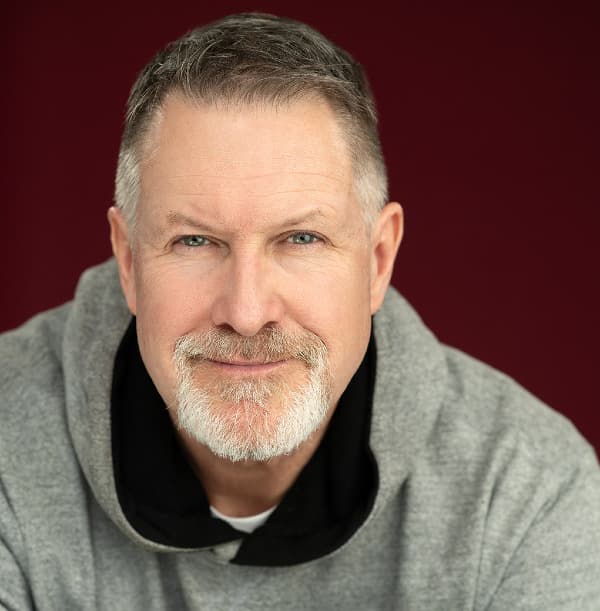
Todd has worked many of top Global Brands, including Coca-Cola, L'Oreal Paris, Cisco, Renewal by Anderson, Coast Appliances, Clam Outdoors, UNC Healthcare, Benny and Company, Shoeless Joe's and many, many more. Todd has agency representation in both Vancouver and Montreal and is also available for Non-Union projects. Todd loves what he does and he is always ready and willing to help his clients get exactly what they want and need. Todd records from his Broadcast quality Studio in Victoria, Canada with only the highest quality equipment and can usually provide Broadcast quality recordings in 24 hours.

With experience in commercial, and character work, Hannah is easy to direct, quick to adjust, and eager to bring strong performance and intention to every script. Hannah comes from an on-camera background, is comfortable working in live-directed sessions and available via Source-Connect.

A vibrant, velvety and evocative voice... with a multitude of characters and accents! I am a British voice over artist who is passionate about providing high quality, perfectly articulated recordings. My voice is extremely versatile, I deliver smooth, engaging narration with a touch of gravitas and also bring a light, conversational and friendly feel to much of my work along with plethora of character voices and accents. With clients around the globe I guarantee efficiency, excellent turnaround times, high quality recording and editing. I trained as an actor at The Bristol Old Vic Theatre school and went on to work in Television, Radio, Theatre and Film for several years. These days I work from my home studio in Sussex as a Voice Over Artist/Actor. I am experienced in Narration, Documentary's, Commercials, Promo, E-learning, Explainers, IVR,Corporate and Character/Audio drama. Purpose built broadcast quality vocal booth, Neumann 103 TLM mic, Scarlett 2i2, Interface and Adobe Audition
The Nuance Gap
One data point that stands out in surveys like this is the gap between what marketers think sounds "good enough" and what consumers actually respond to. Marketing teams working under deadline pressure may hear an AI voice and judge it acceptable. The audience hearing that same voice cold, with no context about how it was made, often reacts differently. They may not identify the voice as synthetic, but something feels off. Engagement drops. Trust erodes at the margins.
Professional voice actors spend years developing the ability to shift tone mid-sentence, to land a call-to-action with exactly the right energy, to sound conversational without sounding sloppy. These micro-decisions happen hundreds of times in a single read. No prompt can replicate that process.
What This Means for Working Voice Professionals
The Adobe Express survey should not alarm voice talent. It should sharpen their focus. The data draws a clear line between commodity audio and premium voice work. Smart voiceover professionals are already positioning themselves on the right side of that line.
Here are practical takeaways for voice actors reading this data:
Emphasize what AI cannot do. Custom character work, emotional range, brand voice consistency across campaigns. These are your selling points. Lead with them.
Target the right clients. Brands investing in consumer-facing audio, broadcast, e-learning with high completion requirements, and long-form narration are your strongest markets. These buyers already know the difference quality makes.
Stay visible on professional platforms. Marketplaces like RealVOTalent connect voice professionals directly with clients who value authentic human performance. Being discoverable where serious buyers look is essential.
Keep developing your craft. The voice actors who thrive alongside AI tools will be those whose skill level is unmistakably above what a synthesizer can produce. Training, coaching, and demo updates remain worthwhile investments.
The Bottom Line for the VO Industry
Survey data from a company like Adobe carries weight. They build the tools that marketers use every day. When their own research shows that consumers still prefer and respond better to human voices in meaningful content, that is a signal worth paying attention to.
AI voices will handle some tasks that used to go to human talent. That shift is already underway. But the work that builds brands, the audio that makes people feel something, the voice that becomes synonymous with a company's identity: that work requires a human being behind the microphone.
The demand for skilled, professional voice talent is not disappearing. It is concentrating around the projects where quality has the highest impact. For voice actors committed to their craft, that concentration is an opportunity.

Written by
Trevor O'Hare
Founder, RealVOTalent
Trevor is a professional voice actor who has worked in audio for over two decades and been in the voiceover industry since 2019, completing thousands of projects for Fortune 500 companies and small businesses alike. He also coaches voice talent at VOTrainer.com.
Get voiceover industry tips & insights
Join our newsletter. No spam, unsubscribe anytime.


