
Arc Raiders Drops AI Voices for Human Talent: A Win for VO Pros
Arc Raiders replaced AI voice lines with human actors after backlash. Learn why this gaming industry shift matters for voiceover professionals and talent.
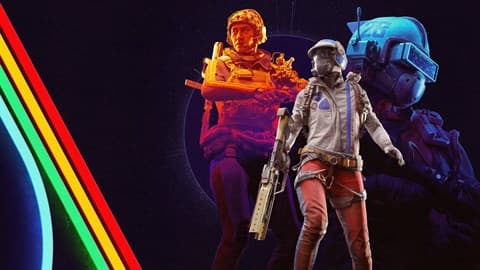
Gaming Studio Reverses Course on AI Voice Lines After Public Backlash
Embark Studios, the developer behind the video game Arc Raiders, has re-recorded AI-generated voice lines with human actors following significant public backlash. As reported by GameSpot, the controversy highlights a growing resistance to AI voice replacement across the gaming industry. For voiceover professionals, this is a meaningful moment worth paying attention to.
What Happened with Arc Raiders
Players and industry observers flagged that Arc Raiders contained voice lines generated using AI synthesis tools rather than performed by human voice actors. The response was swift and critical. Fans voiced their displeasure on social media and gaming forums, calling out the studio for cutting corners on a creative element that directly affects player immersion.
Embark Studios listened. The developer went back and re-recorded the offending lines with real voice actors. The updated build now contains fewer AI-generated voices, a clear acknowledgment that the original approach missed the mark.
This decision carries weight. A studio choosing to spend additional time and budget to replace AI output with human performances sends a direct signal: audiences can tell the difference, and they care.
Why Audiences Reject Synthetic Voices
AI-generated speech has improved dramatically in recent years. It can mimic tone, cadence, and even emotional inflection with surprising accuracy. Yet something essential is still missing. Listeners detect it instinctively, even when they cannot articulate exactly what feels off.
Human voice performance carries micro-expressions of emotion, breath, rhythm, and spontaneity that AI synthesis struggles to replicate. A voice actor brings interpretation to a line. They make choices about emphasis, pacing, and subtext based on their understanding of the character and the scene. Those choices create the moments players remember.
The Arc Raiders backlash confirms what working VO professionals already know: synthetic voices can fill silence, but they cannot create connection. Audiences are becoming more discerning, and they are willing to push back when they feel shortchanged.
Need a commercial voice for your next project?
RealVOTalent is a marketplace of verified human voice actors. Play demos, compare rates, and hire in minutes.
Featured Commercial Talent
View all →
Hi! I'm a professional voiceover artist based in Orlando, Florida. I love being behind the microphone and bringing stories, scripts, and ideas to life. Whether it's a high-energy television commercial, a warm and conversational corporate explainer, a detailed eLearning module, or a long-form audiobook narration, I approach every project with the same dedication and care. Throughout my career, I've had the privilege of working with companies like Alibaba, Google, and Walmart to voice their productions and move audiences to action. I've also spent years coaching and mentoring voice actors at every stage of their careers, which has given me a deep understanding of the craft and a constant drive to refine my own performance. When it's time to create content for your business, you can trust me to deliver broadcast-quality audio on a fast turnaround. I'm easy to work with, take direction well, and genuinely care about getting every read right. That way, you can get back to doing what you do best. Let's get to work.

A vibrant, velvety and evocative voice... with a multitude of characters and accents! I am a British voice over artist who is passionate about providing high quality, perfectly articulated recordings. My voice is extremely versatile, I deliver smooth, engaging narration with a touch of gravitas and also bring a light, conversational and friendly feel to much of my work along with plethora of character voices and accents. With clients around the globe I guarantee efficiency, excellent turnaround times, high quality recording and editing. I trained as an actor at The Bristol Old Vic Theatre school and went on to work in Television, Radio, Theatre and Film for several years. These days I work from my home studio in Sussex as a Voice Over Artist/Actor. I am experienced in Narration, Documentary's, Commercials, Promo, E-learning, Explainers, IVR,Corporate and Character/Audio drama. Purpose built broadcast quality vocal booth, Neumann 103 TLM mic, Scarlett 2i2, Interface and Adobe Audition

Jackson is a professional voice actor with a warm, engaging, and authentic North American voice. His sound ranges from friendly and conversational to confident and grounded, making him a strong fit for commercials, narration, e-learning, IVR, and character work. Known for a natural, relatable delivery and clear articulation, Jackson brings a real-person feel to every read while adapting easily to brand tone and direction. He records from a professional home studio and prides himself on reliability, fast turnaround, and collaborative communication.
The Technical Gap Remains Real
Even the most advanced voice synthesis tools produce output that lacks the organic quality of a trained human voice. Consider the demands of a single game character:
Emotional range: A character might whisper in fear, shout in triumph, and deliver dry humor within minutes of gameplay. Human actors shift between these registers seamlessly.
Contextual awareness: Voice actors adjust their delivery based on narrative context, character relationships, and directional cues from the creative team.
Improvisation: Some of the most iconic lines in gaming history were ad-libbed or emerged from collaborative sessions between actors and directors.
Authenticity: Regional accents, cultural nuance, and lived experience inform a performance in ways that data training sets cannot reproduce.
These qualities are precisely what platforms like RealVOTalent exist to connect studios with. When a project needs a voice that resonates with players, the answer is a skilled human professional.
A Pattern Forming Across the Industry
The Arc Raiders reversal is part of a broader trend. Voice actors' unions have been negotiating protections against unauthorized AI replication of their voices. SAG-AFTRA's agreements with major game studios now include provisions addressing synthetic voice usage. Independent developers and AAA studios alike are facing pressure from both talent and consumers to maintain human involvement in voice production.
This pressure is producing results. Studios that initially experimented with AI voice generation as a cost-saving measure are reconsidering after seeing the reputational risk. Players are organizing, leaving negative reviews, and publicly calling out AI voice usage when they detect it.
The message from the market is clear: voice acting is a craft, and audiences value that craft.
What This Means for Voice Actors
For VO professionals, the Arc Raiders story reinforces something critical. Your skills are not easily automated. The industry is testing boundaries right now, and the results consistently favor human talent when quality and audience reception are the metrics.
This is also a moment to be proactive. Voice actors who position themselves effectively on professional platforms like RealVOTalent make it easier for studios to find and hire real talent quickly. Speed and accessibility are often cited as reasons studios turn to AI tools. Making the hiring process smoother removes that excuse.
Building a strong demo reel, maintaining an updated profile, and showcasing your range are practical steps that matter now more than ever. Studios that have been burned by AI voice controversies are actively looking for reliable human talent they can book with confidence.
The Road Ahead
AI voice tools will continue to improve. That reality is not going away. But the Arc Raiders episode demonstrates that technology alone does not determine adoption. Public sentiment, creative quality, and respect for professional craft all play decisive roles.
Every time a studio reverses an AI voice decision in favor of human performers, it strengthens the case for investing in real talent. Voiceover professionals should take note, stay visible, and keep sharpening their craft. The industry is listening, and right now, it is choosing human voices.

Written by
Trevor O'Hare
Founder, RealVOTalent
Trevor is a professional voice actor who has worked in audio for over two decades and been in the voiceover industry since 2019, completing thousands of projects for Fortune 500 companies and small businesses alike. He also coaches voice talent at VOTrainer.com.
Get voiceover industry tips & insights
Join our newsletter. No spam, unsubscribe anytime.


