Netflix's AI Voice Backlash Proves Audiences Want Real Talent
Netflix faces backlash over AI-generated voiceover in RHCP documentary. Learn why audiences demand authentic human voice talent and what it means for VO pr
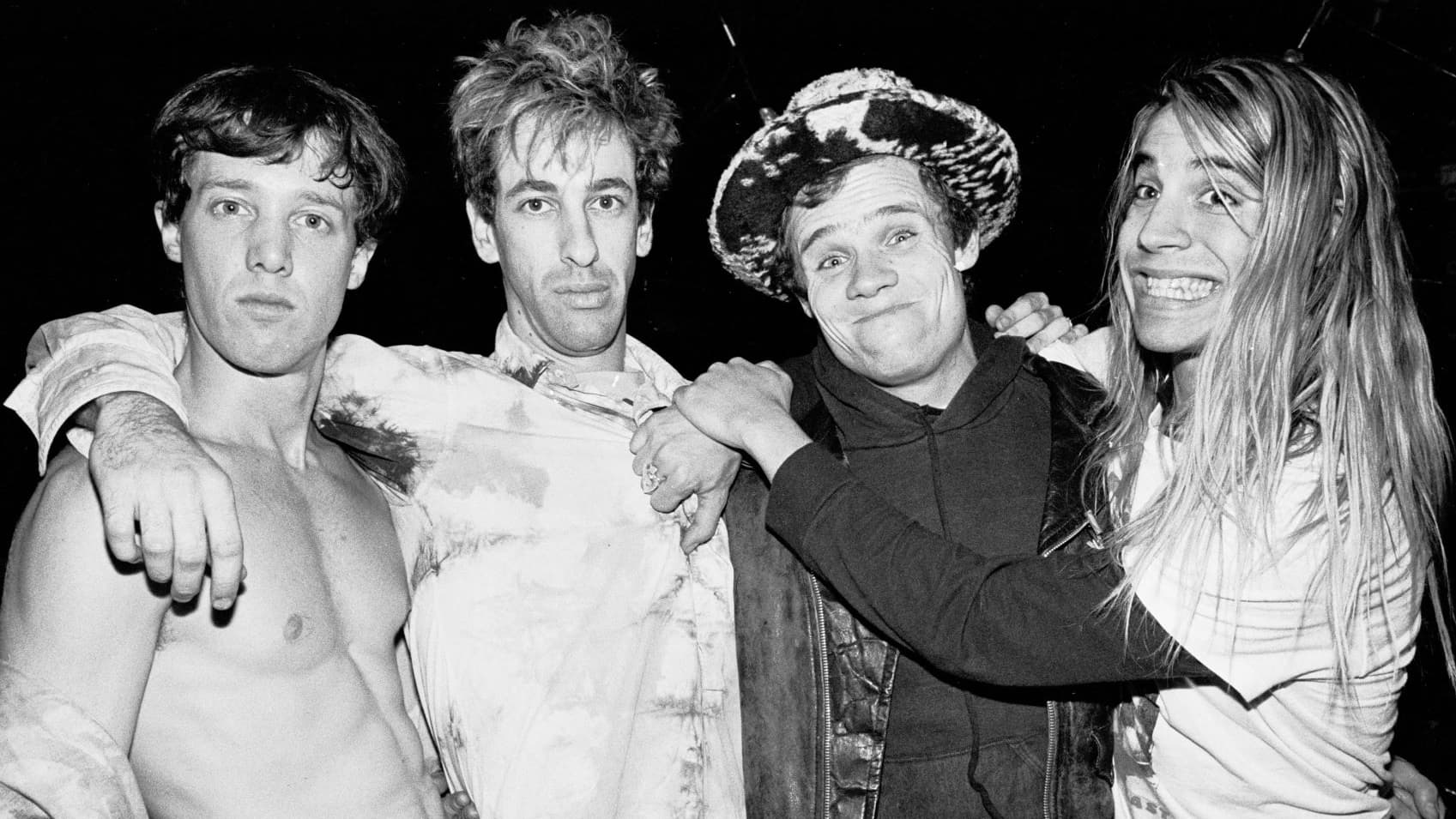
Netflix Faces Fan Revolt Over AI-Generated Voice in RHCP Documentary
Netflix recently drew sharp criticism from fans after using an AI-generated voiceover to recreate the voice of Hillel Slovak, the late guitarist of the Red Hot Chili Peppers, in a new documentary about the band. The backlash was swift and loud. Viewers called the decision disrespectful, unsettling, and unnecessary. For voiceover professionals, this controversy sends a clear signal: audiences care deeply about vocal authenticity, and they can tell when something feels off.
The story was first reported by Digital Music News, which detailed the wave of fan pushback across social media platforms. The reaction highlights a growing trend: everyday audiences, not just industry insiders, are becoming vocal opponents of synthetic voice performances applied to real people.
Why This Matters for the Voiceover Industry
The Netflix controversy is significant because it puts a spotlight on a question the voiceover community has been grappling with for years. AI voice synthesis tools have become increasingly sophisticated. They can clone a person's vocal patterns, tone, and cadence with alarming accuracy. The technology is impressive. The ethics are another matter entirely.
Hillel Slovak passed away in 1988. He never had the opportunity to consent to his voice being digitally recreated. That absence of consent sits at the heart of the public discomfort. Fans felt that using a synthetic version of his voice cheapened his legacy rather than honoring it. A skilled human voice actor, carefully cast and directed, could have narrated his story with genuine emotion and respect.
This reaction confirms something that working voice talent already know. The human voice carries weight that algorithms cannot replicate. Subtle emotional shifts, lived experience embedded in tone, the micro-hesitations and warmth that make a performance feel real; these qualities come from a person, not a processor.
Audiences Are Paying Attention
One of the most striking aspects of this story is how quickly fans identified the AI-generated voice and rejected it. Public awareness of synthetic media has grown rapidly. Listeners are becoming more discerning. They notice when a voice lacks the organic texture of a real human performance, and they are increasingly willing to call it out.
This growing audience sensitivity works in favor of professional voice talent. Brands, studios, and production companies that prioritize authentic human voices are aligning themselves with what audiences actually want. Those that cut corners with AI risk the kind of public relations fallout that Netflix is now experiencing.
Need a commercial voice for your next project?
RealVOTalent is a marketplace of verified human voice actors. Play demos, compare rates, and hire in minutes.
Featured Commercial Talent
View all →
Need a voice that actually connects? I'll combine a warm, engaging delivery with a streamlined, client-friendly process - helping you promote, inform, or tell your story with audio that sounds polished and feels effortless. As a full-time professional voice actor with over 25 years as an actor, stage performer, musician and educator, I have the skill and experience to bring your words to life in a fun and engaging way. My Friendly, Character-Rich Voice will keep your listeners engaged and tuned in to listen to your message – from beginning to end. Look to me for: Explainer Videos • E-Learning • Corporate Narration • Audiobook Narration • Animation • Commercial • Phone Messaging and more!
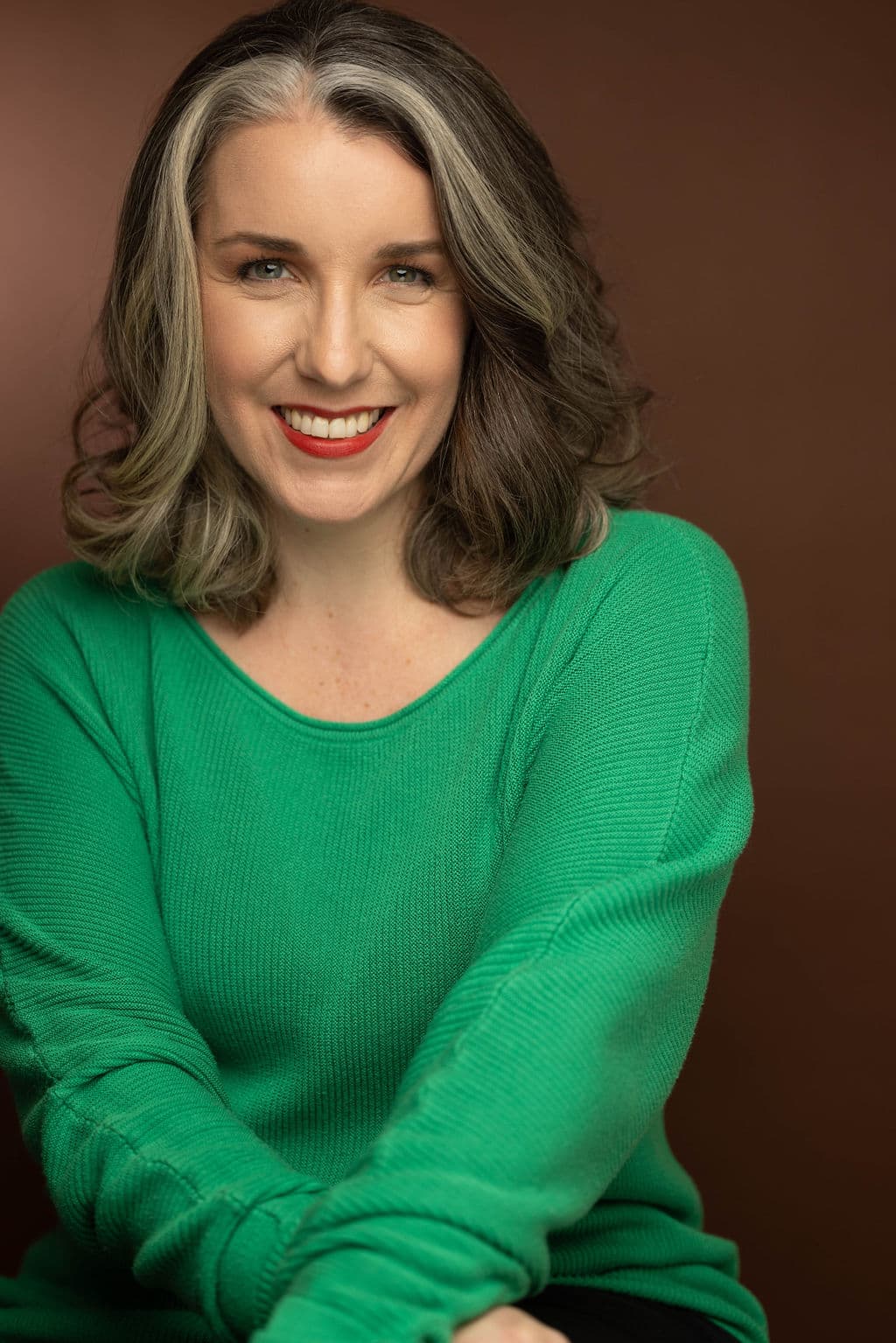
Lauren is a prolific, full time voice talent serving a global clientele from her New York studio. She has leant her voice to thousands of projects across all niches and genres. Trusted by top brands such as Pinterest, Microsoft, Kohl’s, Nokia, Toyota and Chipotle, as well as hundreds of small businesses and starts ups, her voice has been described as warm, friendly, positive, professional, mature, encouraging, engaging, “effortlessly amazing”, “legendary”, “next level”, “perfection” and “the bomb dot com”. Clients consistently rave about her fast, friendly service, top quality audio and compelling reads that hit the mark on the first take. Lauren’s love for bringing messages to life behind the mic is matched only by her passion for performing live. She is a critically acclaimed actor & singer with over 20 years of professional training and experience performing on premier stages across North America. She is also a seasoned teacher, director, choreographer and coach as well as a proud wife and mama of twins.

Kitty is a classically trained actress and in-demand Voice Over Artist who helps brands and creators connect with their audiences through warmth, emotion, and unforgettable character work. Her versatile character range includes everything from precocious toddlers and quirky princesses to sharp-witted seniors, giving clients the flexibility to cast one voice that can do it all. Global brands like Toyota, Coca-Cola, Audi, Burger King, AMC Theatres, Volkswagen, the U.S. National Park Service, and Pearson, trust Kitty to deliver consistent, broadcast-ready performances that align seamlessly with their brand voice and messaging goals. With hundreds of roles across video games and mobile apps such as Popeye Solitaire Grand Harvest (Olive Oyl), Dune: Spice Wars, Northgard, AFK Arena, and Battle Bears Heroes, Kitty helps developers create immersive worlds and memorable characters that keep players engaged and coming back. As a skilled Audiobook Narrator, Kitty partners with authors and publishers to transform stories into compelling listening experiences for both adult and youth audiences. Her titles are available on Audible and other major platforms. Recording from her professionally sound-treated home studio on the Jersey Shore, Kitty provides clients with fast turnaround, pristine audio quality, and reliable remote collaboration.
The Case for Human Voice Talent Has Never Been Stronger
Every time a major production faces backlash over synthetic voice use, it reinforces the market value of real voice actors. Clients who hire through platforms like RealVOTalent are investing in performances that connect with listeners on a genuine level. That connection drives engagement, builds trust, and avoids the reputational risks that come with AI voice controversies.
Professional voiceover artists bring interpretation to a script. They adjust their delivery based on context, audience, and emotional intent. They collaborate with directors. They make creative choices that elevate a project beyond its written words. AI can mimic patterns, but it cannot make those choices with real understanding.
Consent and Ethics Remain Central
The ethical dimension of this story deserves serious attention. Using AI to recreate a deceased person's voice raises questions that the entertainment industry has yet to answer fully. Voice actors, estates, and unions are all pushing for stronger protections. SAG-AFTRA has made AI voice replication a key issue in recent contract negotiations, and public incidents like this one add momentum to those efforts.
For voice talent, staying informed about these developments is essential. Understanding your rights around vocal likeness, AI training data, and consent protections will be critical as the industry continues to evolve. Organizations and talent marketplaces that advocate for these protections, including RealVOTalent, play an important role in ensuring that voice professionals are respected and fairly compensated.
What VO Professionals Should Take Away
- Your authenticity is a competitive advantage. Audiences are actively rejecting synthetic voice performances. The qualities that make you human are exactly what clients need.
- Public sentiment is on your side. Fan backlash against AI voice use in high-profile productions creates cultural pressure that benefits working voice actors.
- Stay informed about AI and consent rights. Know where your industry stands on voice cloning protections, and support efforts to strengthen those safeguards.
- Position yourself as the professional alternative. When pitching to clients, emphasize the emotional depth, creative flexibility, and ethical clarity that come with hiring a real person.
The Netflix documentary controversy is a reminder that technology alone does not equal progress. Audiences want to hear real people telling real stories. That demand is good news for every voice professional who has built a career on the power of authentic human connection. The best way for talent to stay competitive is to keep honing their craft, protect their rights, and make themselves easy to find on platforms like RealVOTalent where clients are already looking for the real thing.

Written by
Trevor O'Hare
Founder, RealVOTalent
Trevor is a professional voice actor who has worked in audio for over two decades and been in the voiceover industry since 2019, completing thousands of projects for Fortune 500 companies and small businesses alike. He also coaches voice talent at VOTrainer.com.
Get voiceover industry tips & insights
Join our newsletter. No spam, unsubscribe anytime.


