Taylor Swift's Voice Trademark Could Change Everything for Voice Actors
Taylor Swift's voice trademark filing could set a major legal precedent for voice actors seeking protection against AI voice cloning. Here's what it means

A Pop Star's Legal Move Signals a Shift for the Entire Voice Industry
Taylor Swift has filed to trademark her voice. According to the BBC the move is a direct response to the growing threat of AI voice replication. If successful, this trademark could establish a legal framework that every voice professional, from audiobook narrators to commercial voice actors, has been waiting for.
For voiceover talent, this story hits close to home. AI-generated voices have already started appearing in low-budget commercial work, e-learning modules, and social media content. Swift's filing acknowledges something the VO community has known for years: a person's voice is their intellectual property, and it deserves legal protection.
What the Trademark Filing Actually Means
Trademarking a voice is unusual territory. Copyright law protects recorded performances, and some states have right-of-publicity statutes that cover a person's likeness. A voice trademark goes further. It would treat a vocal identity the same way the law treats a brand logo or a product name, as a distinct, protectable asset.
Swift has the resources and legal team to push this through. If it succeeds, the precedent could extend well beyond the music industry. Voice actors who have built entire careers on their distinctive vocal qualities would have a new legal tool to prevent unauthorized AI cloning of their performances.
The timing matters. Several AI voice platforms have already been caught training their models on copyrighted audio without permission. A successful voice trademark would give performers a clearer path to legal action when their vocal identity is replicated without consent.
Why This Matters for Working Voice Actors
Most voice actors don't have Taylor Swift's legal budget. That's precisely why this case is significant. A legal precedent set by a high-profile filing could create a framework that smaller performers can reference in their own disputes.
Consider the practical scenario. A voice actor records hundreds of hours of audiobook narration over a career. An AI company scrapes those recordings, trains a synthetic model, and offers a "similar-sounding" voice at a fraction of the cost. Right now, the legal options for that voice actor are murky. A voice trademark precedent would sharpen them considerably.
Platforms like RealVOTalent exist because clients value authentic human voice performances. The marketplace connects producers with real, professional talent. Legal protections like the one Swift is pursuing reinforce the value proposition that working voice actors bring to every project.
Need a commercial voice for your next project?
RealVOTalent is a marketplace of verified human voice actors. Play demos, compare rates, and hire in minutes.
Featured Commercial Talent
View all →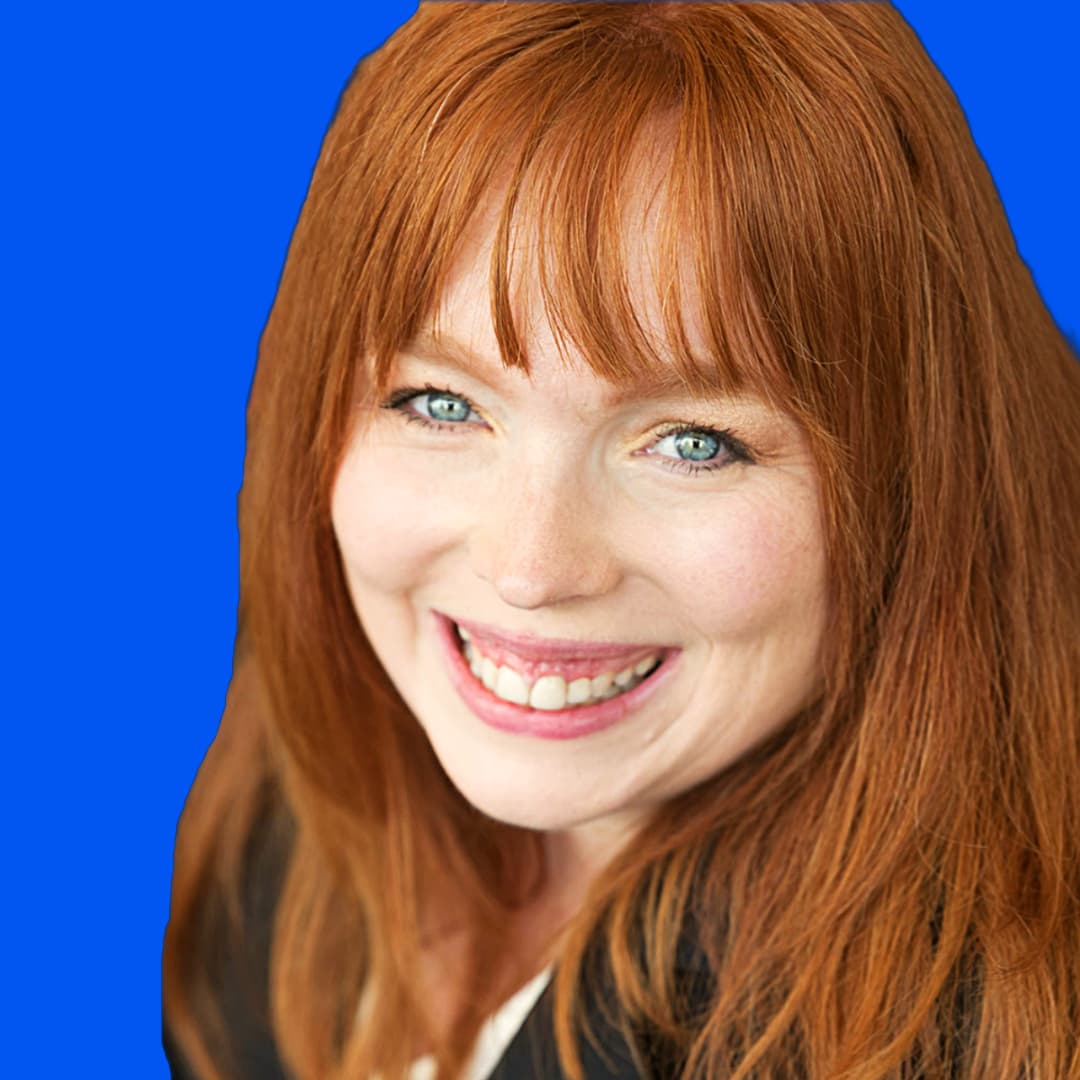
Teresa is a full-time voice actor with a custom, broadcast-ready studio & an award winning stage actor. From performing engaging corporate reads straight to a bff commercial and on to a few wild, off-the wall characters... that's a Tuesday in this studio- you are covered. She has her BA in acting and wrote and directed children's plays/musicals for almost a decade. You'll find a creative collaborator who loves to dig in to copy and play. Believable performances, fast deliveries and dependable communication are what people expect and receive from Teresa. She found a love for voice acting when she connected the dots and realized this was her path to work from home! Added bonus: she has more time for video games (aka: Teresa is an excellent choice for video game characters). Growing up in the Midwest, Teresa has a neutral accent that fits into a wide range of styles. However, if an accent is called for, she's trained with world renowned dialecticians and performed leading roles on stage in British RP and Estuary as well as Irish (Dublin). With a capable ear, volumes upon volumes of resources and her dialectician coach a zoom call away- she's capable of almost any accent performed authentically. Teresa’s voice has been described as authentic, warm, dynamic, authoritative, sincere, trustworthy, energetic, fresh, friendly and relatable.
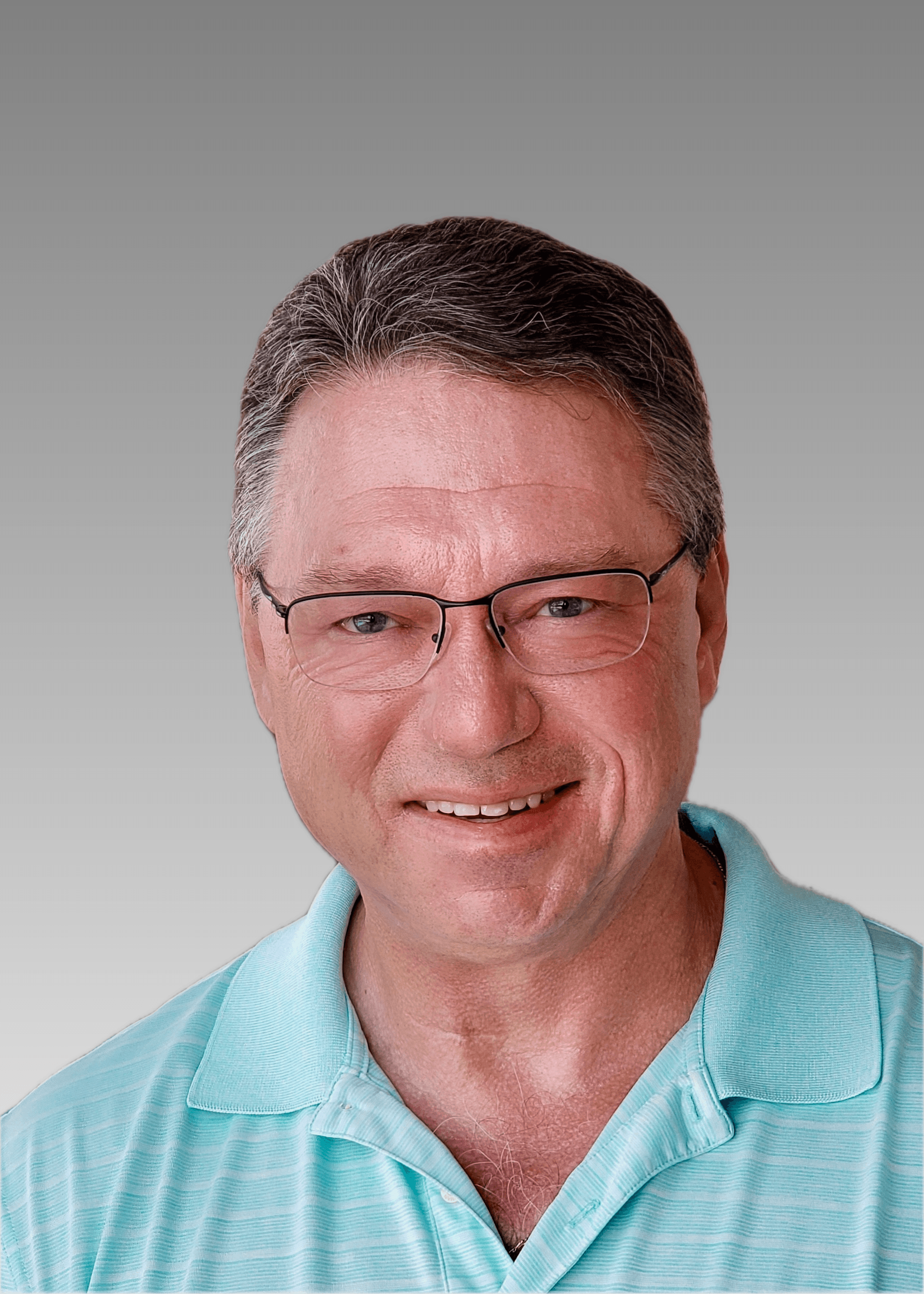
I am a professional voice actor with a deep, warm, and confident sound—ideal for commercial, corporate narration, eLearning, and medical content. My background in communication and education in the medical industry allows me to balance authority with approachability, helping audiences stay engaged while absorbing complex information. Known for a clean, natural delivery and strong script interpretation, I have worked with clients who need a voice that sounds informed, trustworthy, and human. I record in a professionally sound-treated WhisperRoom and quickly deliver broadcast quality audio.
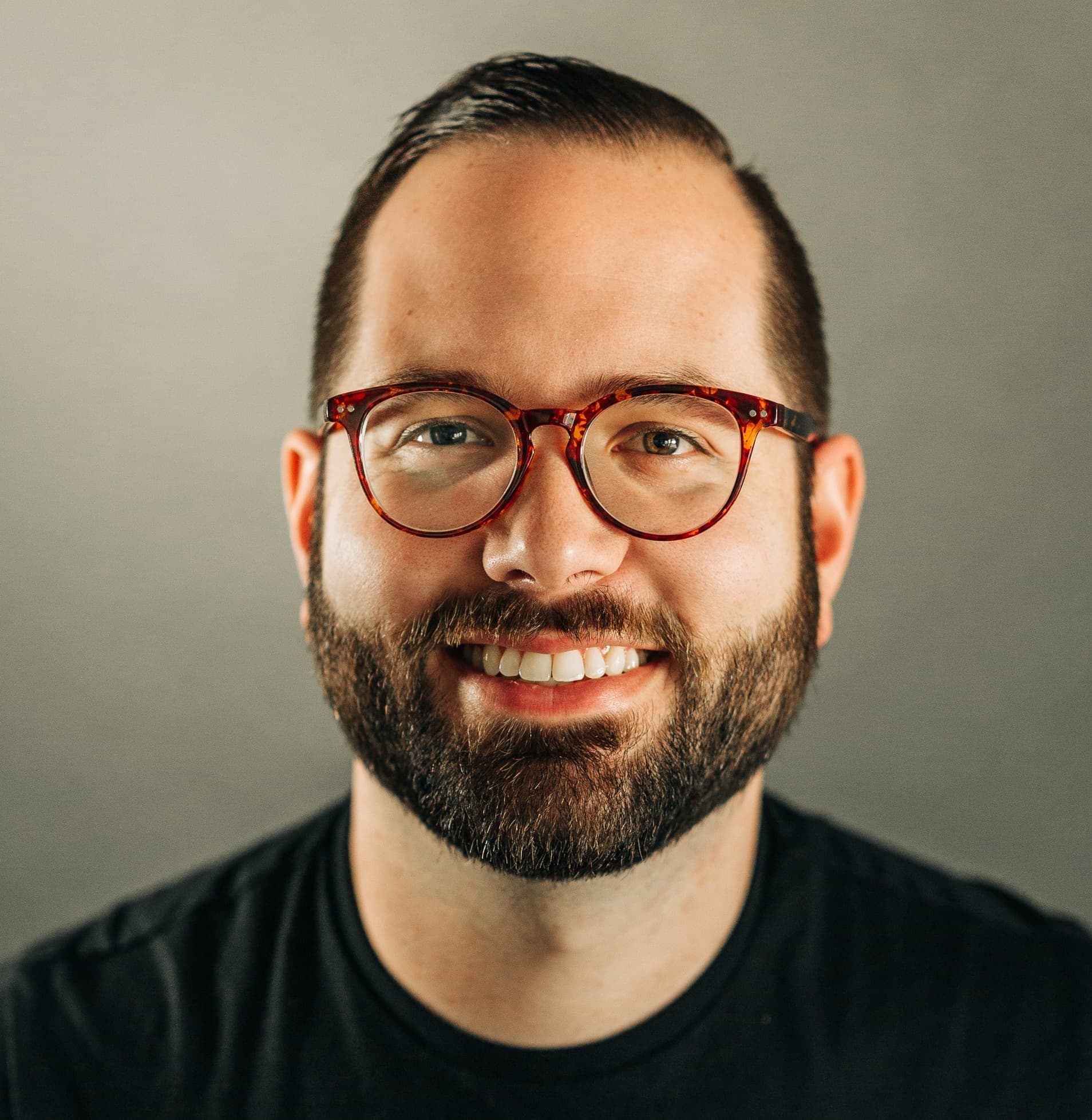
Hi! I'm a professional voiceover artist based in Orlando, Florida. I love being behind the microphone and bringing stories, scripts, and ideas to life. Whether it's a high-energy television commercial, a warm and conversational corporate explainer, a detailed eLearning module, or a long-form audiobook narration, I approach every project with the same dedication and care. Throughout my career, I've had the privilege of working with companies like Alibaba, Google, and Walmart to voice their productions and move audiences to action. I've also spent years coaching and mentoring voice actors at every stage of their careers, which has given me a deep understanding of the craft and a constant drive to refine my own performance. When it's time to create content for your business, you can trust me to deliver broadcast-quality audio on a fast turnaround. I'm easy to work with, take direction well, and genuinely care about getting every read right. That way, you can get back to doing what you do best. Let's get to work.
AI Voices Still Can't Replicate What Matters Most
The conversation around AI voice technology often focuses on what synthetic voices can do. They can approximate tone. They can mimic cadence. They can produce audio quickly and cheaply. What gets lost is everything they cannot do.
A professional voice actor brings interpretation to a script. They understand pacing, emotional subtext, and the difference between reading words and performing them. They adjust in real time based on director feedback. They make creative choices that elevate a project from functional to memorable.
AI voices produce sound. Human voice actors produce performances. That distinction is the reason clients keep hiring real talent for work that matters, from national broadcast campaigns to flagship video game characters. The listener sentiment data tracked by RealVOTalent consistently reflects audience preference for authentic human voices over synthetic alternatives.
What Voice Actors Should Do Now
Swift's trademark filing is encouraging, but voice actors shouldn't wait for a legal precedent to protect themselves. There are practical steps to take right now.
Review your contracts carefully. Make sure your agreements with clients and platforms specify how your recordings can be used. Language prohibiting AI training on your voice samples should be standard in every contract you sign.
Document your body of work. Keep records of your recordings, clients, and the distinctive qualities of your vocal performance. This documentation strengthens any future intellectual property claim.
Join industry organizations. Groups like SAG-AFTRA and NAVA are actively lobbying for voice actor protections. Collective advocacy amplifies individual concerns.
Choose platforms that respect talent. Work with marketplaces like RealVOTalent that prioritize real human performers and don't use talent recordings to train AI models.
The Bigger Picture for the VO Industry
Taylor Swift filing to trademark her voice is a signal. It tells the entertainment industry, the tech sector, and legislators that vocal identity has real economic value and deserves real legal protection.
For voice actors, this is validation. The skills, training, and artistry that go into professional voice work cannot be reduced to a dataset. A voice carries identity, emotion, and trust. Those qualities are what make audiences listen, and they are what make clients come back to human talent project after project.
The legal framework is catching up to the technology. That's good news for every voice actor who has watched AI encroach on their profession and wondered when the law would recognize what they already knew: your voice belongs to you.

Written by
Trevor O'Hare
Founder, RealVOTalent
Trevor is a professional voice actor who has worked in audio for over two decades and been in the voiceover industry since 2019, completing thousands of projects for Fortune 500 companies and small businesses alike. He also coaches voice talent at VOTrainer.com.
Get voiceover industry tips & insights
Join our newsletter. No spam, unsubscribe anytime.


