Google's AI Voiceover Push: Performance Max Campaigns Now Get AI Voices By Default
Google is auto-adding AI voiceovers to Performance Max video ads. Learn what this means for voice actors and why human VO talent still matters.
Google Is Replacing Human Voiceover Talent With AI in Video Ads
Google has begun automatically adding AI-generated voiceovers to Performance Max video ad campaigns. Advertisers who don't want synthetic voices narrating their brand's message have until March 20 to opt out. After that date, the feature rolls out as a default. This is one of the most aggressive moves yet by a major tech platform to replace human voice talent with machine-generated audio at massive scale.
The news, reported by PPC Land, signals a clear direction: Google wants to automate every layer of ad production, including the human voice.
What Performance Max Means for the VO Industry
Performance Max is Google's AI-driven ad campaign type that runs across YouTube, Display, Search, Gmail, Discover, and Maps. It is one of the most widely used advertising tools on the planet. Millions of businesses rely on it to reach customers. When Google makes a feature the default across Performance Max, adoption is essentially guaranteed for a huge portion of the digital ad market.
Until now, many of these video ads either ran without voiceover or required advertisers to hire voice talent. Google's new default removes that step entirely. A synthetic voice reads the ad copy, and the campaign goes live. No casting. No recording session. No human involvement.
For voiceover professionals, this represents a direct loss of work. Commercial advertising has long been a core revenue stream for voice actors. Short-form video ads, explainer spots, and product demos are the bread and butter of many VO careers. Google is now telling advertisers they don't need to pay for that talent at all.
Why AI Voiceover Falls Short
AI-generated voices have improved dramatically in recent years. They can sound smooth, clear, and grammatically correct. But sounding correct and sounding compelling are two very different things.
Human voice actors bring interpretation to a script. They understand pacing, subtext, emotional weight, and brand identity. A skilled voice actor knows when to slow down for emphasis, when to let a pause do the work, and how to match the energy of the visuals on screen. AI voices process text. Human voices perform it.
Audiences notice the difference, even when they can't articulate it. Studies consistently show that listeners form stronger emotional connections and higher trust with authentic human voices. For brands spending money on video advertising, that connection directly impacts conversion rates, recall, and brand perception.
There's also the issue of differentiation. When every small business running Performance Max ads uses the same pool of AI voices, those ads start to blend together. The voice becomes wallpaper. A distinct human voice gives a brand its own sonic identity, something AI-generated audio simply cannot replicate at the individual level.
Need a commercial voice for your next project?
RealVOTalent is a marketplace of verified human voice actors. Play demos, compare rates, and hire in minutes.
Featured Commercial Talent
View all →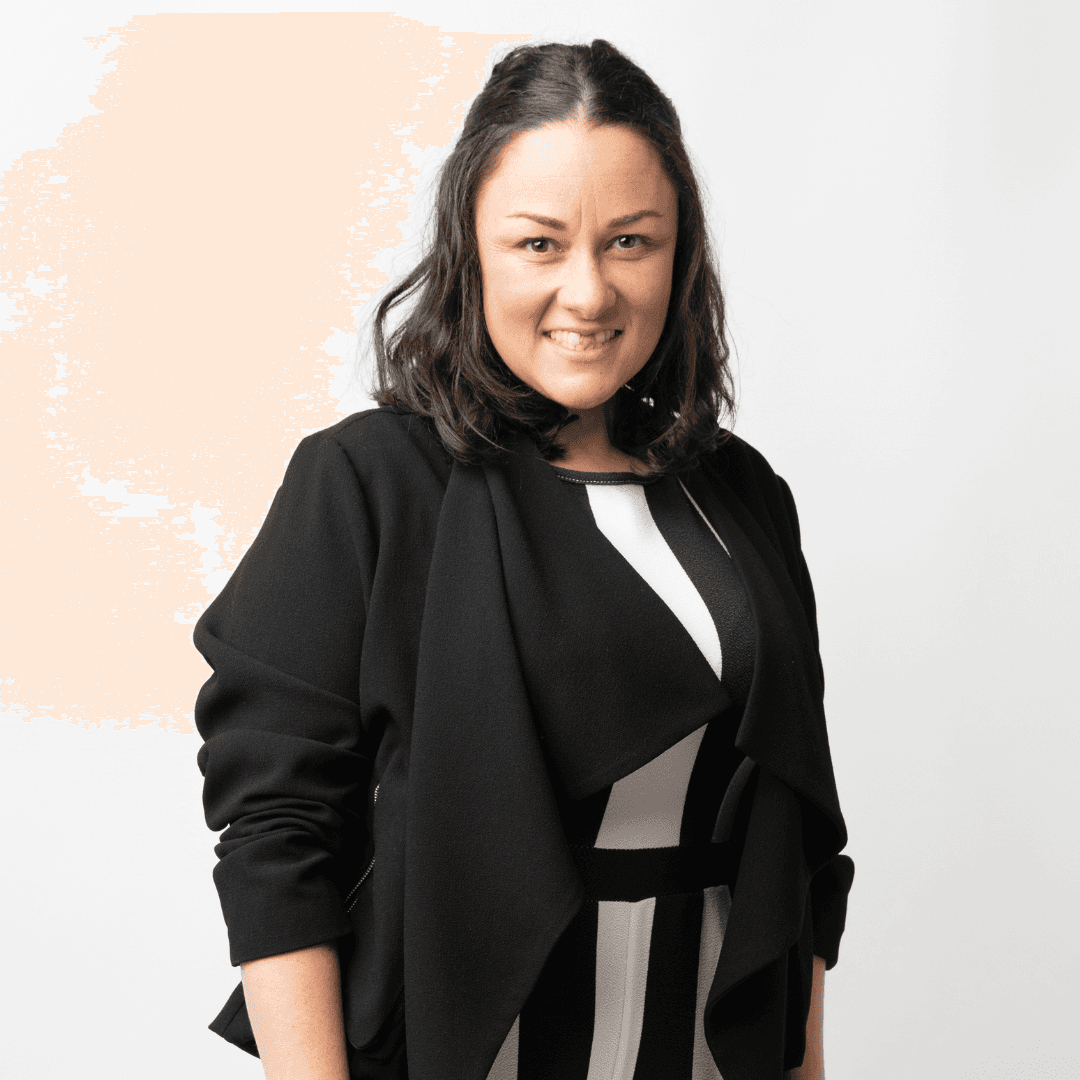
Tabitha is a full-time Australian voice actress specialising in character-driven voice work, commercials, animation, video games, and audiobook narration. She is known for her dynamic range, strong acting instincts, and the ability to bring warmth, clarity, and authenticity to every read. Her recent credits include voicing all four main characters in the Australian children’s animated series NatPat Pals, character work in Timber Trouble and Within the Cosmos, and the English dub role of Yomei in the anime Karekore of Mixed Blood. She is also a featured cast member in the Articul8 Studios audio drama Static Shift. Tabitha is an experienced audiobook narrator, particularly in children’s and young adult fiction, and was recently nominated for Best Female Voice Artist in the Behear Independent Audio Awards. She is a Ballarat Arts Foundation alumni and current board member. Working from a custom-built, professionally sound-treated studio, Tabitha delivers broadcast-quality audio with fast turnaround and takes direction exceptionally well. Accents include Australian (native), General American, and British, with frequent casting in children, teens, young male roles, and anime-style characters.
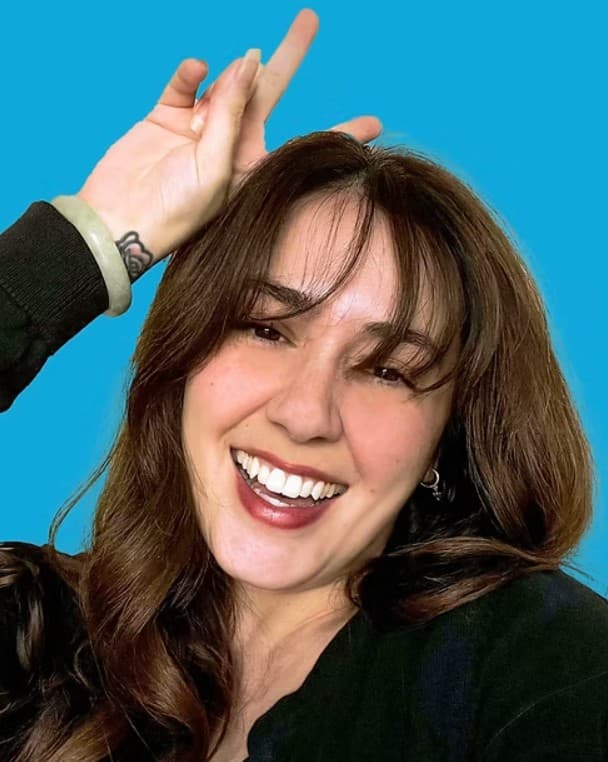
With experience in commercial, and character work, Hannah is easy to direct, quick to adjust, and eager to bring strong performance and intention to every script. Hannah comes from an on-camera background, is comfortable working in live-directed sessions and available via Source-Connect.

Looking for a polished, professional British voice that instantly lifts your project? You've come to the right place! Most messages fall flat because the delivery lacks clarity, authority or warmth or the audio just isnt good enough. A strong script deserves a voice that makes people listen. I'm a British voice actor with a warm, trustworthy RP accent and 20 years of international broadcast journalism experience. I provide broadcast-quality audio from my professional UK studio, with a streamlined, no-hassle buying process. Perfect for commercials, corporate narration, explainer videos, eLearning, medical narration, brand films and luxury content. Fast turnaround, precise editing and a smooth, reliable workflow every time. Clients including Visa, DHL, Coca-Cola, SharkNinja, Mitchum, VistaJet and more than 2,000 happy customers trust my voice to bring their stories to life. Want your project to sound credible, confident and compelling? Get in touch!
The Opt-Out Problem
Google's decision to make AI voiceover an opt-out feature rather than opt-in is telling. Most advertisers, especially small and mid-sized businesses, won't change default settings. They trust Google's automation to optimize their campaigns. That means millions of video ads will soon carry synthetic voiceovers by default, with no human talent involved in the decision.
This is a pattern we've seen before. Google introduces an automated feature, makes it the default, and the market adjusts around it. By the time advertisers evaluate whether AI voiceover is actually helping their campaigns, the expectation has already shifted. Hiring a voice actor becomes the exception rather than the standard.
What Voice Actors Should Do Now
This development makes it more important than ever for voiceover professionals to emphasize what sets them apart from synthetic alternatives.
Build direct client relationships. Advertisers who understand the value of human voice talent will seek it out. Platforms like RealVOTalent.com connect brands directly with professional voice actors, making it easy for businesses to choose real human voices over AI defaults.
Focus on premium and mid-market work. AI voiceover will absorb the lowest tier of the market first. Voice actors who position themselves as specialists with distinct vocal qualities and strong performance skills will continue to find demand from brands that care about quality.
Educate your clients. Many advertisers don't realize they're about to get AI voiceover on their campaigns by default. Reaching out to existing and prospective clients with this information creates an opportunity to offer a genuine alternative.
Advocate for transparency. Consumers and regulators are increasingly interested in knowing when AI is being used in media. Voice actors and industry organizations should push for clear labeling of synthetic voiceovers in advertising.
The Bigger Picture
Google's move is part of a broader trend of tech companies commoditizing creative work through automation. Voice acting is a skilled profession that requires training, talent, and years of experience. Reducing it to a checkbox in an ad platform undervalues that work and the people who do it.
The voiceover industry has survived technological shifts before, from radio to television, from broadcast to streaming, from studio sessions to home recording. Each transition brought challenges and new opportunities. AI is the latest challenge, and it is a serious one.
But human creativity, emotion, and authenticity remain irreplaceable. Brands that invest in real voice talent through marketplaces like RealVOTalent.com will stand out in an increasingly automated advertising environment. The voice behind your brand matters. It should belong to a real person.

Written by
Trevor O'Hare
Founder, RealVOTalent
Trevor is a professional voice actor who has worked in audio for over two decades and been in the voiceover industry since 2019, completing thousands of projects for Fortune 500 companies and small businesses alike. He also coaches voice talent at VOTrainer.com.
Get voiceover industry tips & insights
Join our newsletter. No spam, unsubscribe anytime.


