
Voiceover for Public Service Announcements (PSAs): Tone and Urgency
From crisis alerts to behavioral change campaigns, PSA voiceover requires a rare balance of urgency and restraint. Here is how to cast the voice your audience will trust.
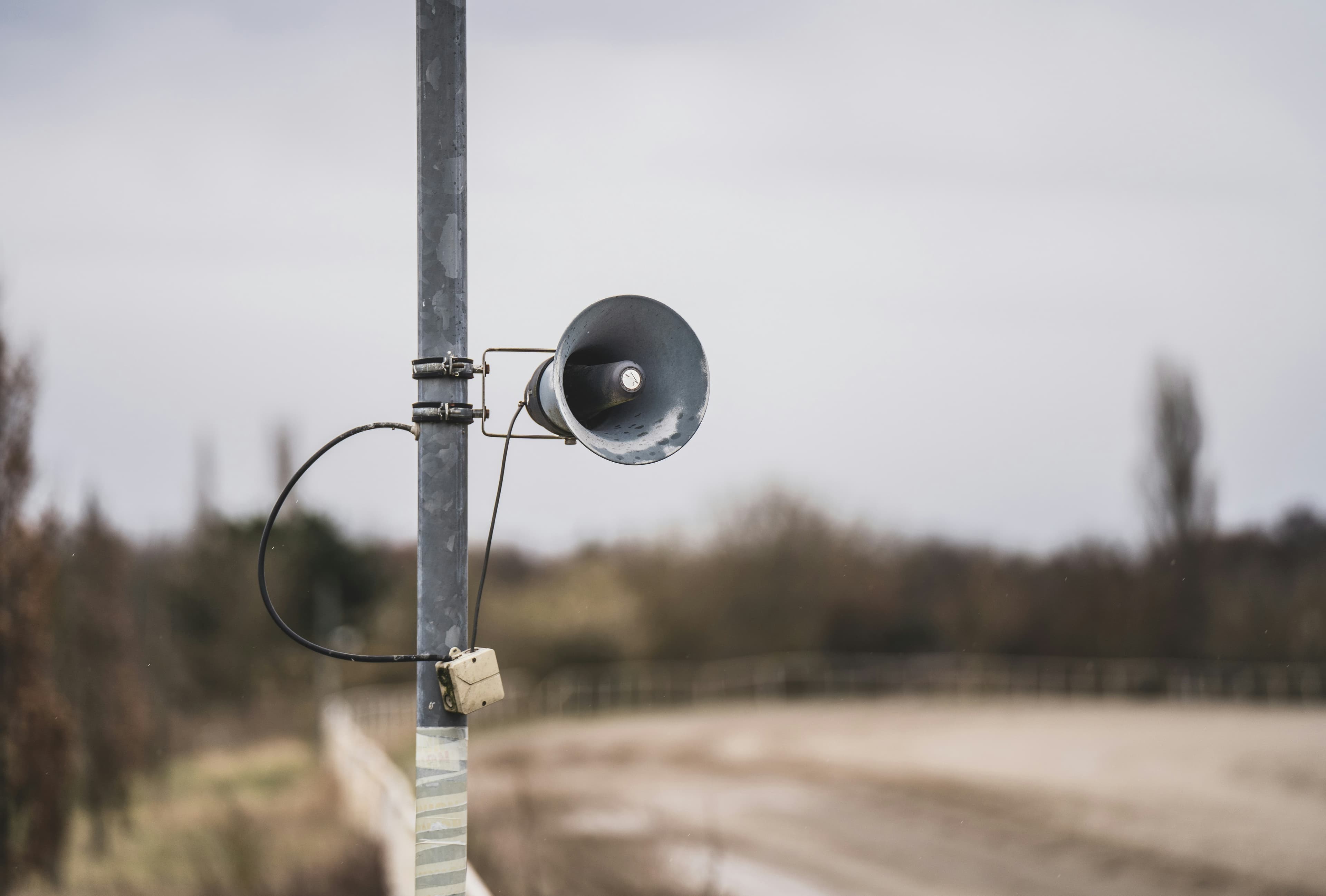
The Voice That Makes a City Stop and Listen
A child darts into the street. A wildfire creeps toward a neighborhood. A new public health threat emerges overnight. In each of these moments, a single voice cuts through the noise, steady, clear, and impossible to ignore. That voice belongs to a PSA voiceover artist, and their delivery can mean the difference between a message that saves lives and one that gets lost in the scroll.
Public service announcements carry weight that commercial spots rarely do. There is no product to sell, no brand to promote, only a message the public needs to hear. Getting the tone and urgency right is a responsibility. Here is how the best voice talent approach it, and what you should look for when casting your next PSA.
Why PSA Voiceover Demands a Different Skill Set
Most voiceover work rewards versatility and energy. PSA narration rewards restraint. The audience is not browsing. They are being warned, educated, or called to action. A voice actor who thrives in upbeat commercial reads may struggle with the emotional discipline a PSA requires.
Effective PSA voice talent understand how to communicate authority without aggression and empathy without sentimentality. They know that a slight pause before a statistic hits harder than raising their volume. They treat the script as a message to deliver directly, to one listener at a time.
The Trust Factor
Research consistently shows that audiences evaluate trustworthiness within the first few seconds of hearing a voice. A PSA that opens with an overly polished, "announcer-style" delivery can trigger skepticism. Listeners subconsciously associate that cadence with advertising and begin filtering the message. The most effective PSA voices sound like a knowledgeable neighbor, someone who cares and has no reason to mislead you.
Matching Tone to Message Type
Every PSA carries a different emotional charge. A campaign about recycling habits requires a fundamentally different vocal approach than an emergency preparedness alert. Skilled voice actors adjust their tone based on the stakes, the audience, and the desired response.
Awareness Campaigns
These PSAs aim to educate rather than alarm. Think anti-littering messages, organ donation encouragement, or mental health awareness spots. The ideal tone is:
- Warm and conversational
- Gently persuasive without being preachy
- Paced to let information breathe
A common mistake is making awareness campaigns sound too casual. The voice still needs an undercurrent of sincerity that signals this matters, even when the delivery feels relaxed.
Crisis and Emergency Alerts
When lives are at risk, the voice must convey urgency without triggering panic. This is the hardest balance in PSA voiceover work. The talent needs to sound alert and serious while remaining measured enough that listeners can process instructions clearly.
- Controlled pacing: slightly faster than conversational, but never rushed
- Downward inflections that signal certainty
- Minimal vocal fry or breathiness, which can undermine credibility under pressure
Behavioral Change PSAs
Campaigns targeting drunk driving, smoking cessation, or domestic violence require emotional precision. A detached delivery fails to connect. An overly intense one makes the audience shut down defensively. The best voice actors for these spots know how to sit in discomfort, holding a tone that is honest and direct without becoming melodramatic.
Need a commercial voice for your next project?
RealVOTalent is a marketplace of verified human voice actors. Play demos, compare rates, and hire in minutes.
Featured Commercial Talent
View all →
I am a professional voice actor with a deep, warm, and confident sound—ideal for commercial, corporate narration, eLearning, and medical content. My background in communication and education in the medical industry allows me to balance authority with approachability, helping audiences stay engaged while absorbing complex information. Known for a clean, natural delivery and strong script interpretation, I have worked with clients who need a voice that sounds informed, trustworthy, and human. I record in a professionally sound-treated WhisperRoom and quickly deliver broadcast quality audio.

David is a professional voice actor known for a smooth, grounded delivery that helps brands discover their voice and captivate audiences. His sound is warm, intelligent, and controlled, with the range to move from approachable and reassuring to authoritative and commanding. Before voiceover, David spent over a decade as an operating partner in the service industry, where he trained teams, led from the front, and learned how real people respond to tone, clarity, and intent. With a background in theater, public speaking, psychology, and etymology, he brings both performance skill and analytical precision to every script. David works across commercial, corporate narration, e-learning, promos, trailers, IVR, explainer content, podcasts, and audiobooks. Just some of his many clients include UFC, Grammarly, Peugeot, DC Comics, Jägermeister, KFC, Shell and many others. He records from a broadcast-quality studio and is known for consistency, direction-friendly reads, and a collaborative approach that serves your project. "My job is to make your job as easy as possible, so you look like a rockstar, and your boss and clients love you."

Tabitha is a full-time Australian voice actress specialising in character-driven voice work, commercials, animation, video games, and audiobook narration. She is known for her dynamic range, strong acting instincts, and the ability to bring warmth, clarity, and authenticity to every read. Her recent credits include voicing all four main characters in the Australian children’s animated series NatPat Pals, character work in Timber Trouble and Within the Cosmos, and the English dub role of Yomei in the anime Karekore of Mixed Blood. She is also a featured cast member in the Articul8 Studios audio drama Static Shift. Tabitha is an experienced audiobook narrator, particularly in children’s and young adult fiction, and was recently nominated for Best Female Voice Artist in the Behear Independent Audio Awards. She is a Ballarat Arts Foundation alumni and current board member. Working from a custom-built, professionally sound-treated studio, Tabitha delivers broadcast-quality audio with fast turnaround and takes direction exceptionally well. Accents include Australian (native), General American, and British, with frequent casting in children, teens, young male roles, and anime-style characters.
The Anatomy of Urgency in Voice Acting
Urgency is not volume. This is the single most important lesson for anyone producing or casting PSA voiceover. Yelling at an audience creates resistance. True vocal urgency comes from a combination of subtle techniques that experienced talent deploy instinctively.
- Compressed pacing: shortening the space between phrases without speeding up individual words
- Strategic emphasis: landing hard on one word per sentence rather than stressing everything
- Reduced warmth: pulling back slightly on the friendly, rounded tones and letting the voice sit in a more direct, forward placement
- Silence as punctuation: a half-second pause before a critical line creates more tension than any amount of vocal force
Listen to any effective emergency broadcast or Amber Alert voiceover. The voice is firm and present, but it never shouts. It insists. That insistence is what moves people to act.
Casting the Right Voice for Your PSA
Choosing a voice actor for a public service announcement goes beyond finding someone who sounds good. You need someone whose voice carries inherent credibility with your target audience. A few practical guidelines can help narrow the field.
Consider the demographic you are trying to reach. Youth-focused anti-vaping campaigns may benefit from a younger, relatable voice. Senior health PSAs often land better with mature, steady vocal tones. Community-specific messages (addressing a particular city, cultural group, or profession) gain authenticity when the voice reflects that community.
What to Listen for in Auditions
When reviewing auditions for PSA voiceover work, pay attention to these qualities:
- Emotional range within restraint — can the talent shift from informative to urgent without overacting?
- Clarity of diction — every word must land, especially phone numbers, websites, and action steps
- Authentic pacing — does the read feel like a real person communicating, or a performer hitting marks?
- Listener awareness — does the talent sound like they are talking to someone, or at them?
Request multiple takes at different intensity levels. A voice actor who can deliver the same script as both a gentle reminder and a firm warning gives you flexibility in the edit suite.
Common Mistakes That Undermine PSA Effectiveness
Even well-intentioned PSAs fall flat when the voiceover misses the mark. These are the pitfalls production teams encounter most often:
Over-dramatization. When every line sounds like the climax of a film trailer, nothing stands out. Audiences grow numb to constant intensity. Let the script do some of the heavy lifting and trust the voice to support the writing.
Using a generic stock voice. PSAs live or die on authenticity. A voice that sounds like it could narrate anything (a car commercial, a corporate training video, a nature documentary) lacks the specificity that makes a public service message feel personal and immediate.
Ignoring the medium. A PSA airing on morning radio needs different energy than one running as a pre-roll ad on a streaming platform. The best voice actors ask where the spot will air and adjust their performance accordingly.
Make Your Message Matter with the Right Voice
A public service announcement is only as powerful as the voice that carries it. The wrong tone turns a life-saving message into background noise. A voice that balances urgency with empathy and authority with accessibility can stop someone mid-step and change their behavior for good.
If you are producing a PSA and need voice talent who understand the stakes, skip the AI-generated options and the faceless stock libraries. At RealVOTalent, every voice on the platform belongs to a real human professional with the range and emotional intelligence that public service messaging demands. Browse talent, listen to demos, and find the voice your audience will trust. Visit RealVOTalent.com and give your next PSA the voice it deserves.

Written by
Trevor O'Hare
Founder, RealVOTalent
Trevor is a professional voice actor who has worked in audio for over two decades and been in the voiceover industry since 2019, completing thousands of projects for Fortune 500 companies and small businesses alike. He also coaches voice talent at VOTrainer.com.
Get voiceover industry tips & insights
Join our newsletter. No spam, unsubscribe anytime.


