
New Benchmark Proves AI Voice Agents Still Can't Match Human Accuracy
New open benchmark from Async reveals major accuracy gaps in AI text-to-speech systems, confirming why human voice talent remains essential for production

Hard Data Confirms What Voice Actors Already Know
Async, an AI voice technology company, recently released an open benchmark designed to measure text-to-speech accuracy in production voice agents. The results confirm something voiceover professionals have observed firsthand for years: current TTS systems still have significant accuracy gaps when deployed in real-world production environments.
The benchmark, which is openly available for the industry to examine, specifically targets the reliability of AI-generated speech in production settings. These are the systems powering automated phone agents, virtual assistants, and AI customer service tools. And according to Async's findings as reported by Podnews, the technology falls short of dependable performance where it matters most.
For working voice actors, this is meaningful. The conversation around AI voices has been dominated by hype and speculation. Open benchmarks like this one bring something far more useful to the table: verifiable evidence.
Production Environments Expose AI's Weak Points
There's a critical distinction between a polished AI voice demo and an AI voice performing reliably across thousands of real interactions. Demo reels for TTS systems are carefully curated. They showcase ideal conditions, clean scripts, and predictable sentence structures. Production is a different animal entirely.
Voice agents in production face unpredictable input, complex phrasing, industry-specific terminology, numerical sequences, proper nouns, and the kind of contextual variation that real communication demands. Async's benchmark zeroes in on this gap between controlled demonstrations and actual deployed performance.
This distinction matters because purchasing decisions, both by brands and by consumers, are often influenced by those polished demos. When the actual deployed product can't maintain the same level of accuracy, trust erodes quickly.
Why Accuracy Gaps Matter for Brands
Maybe it's a mispronounced company name, or a medical term garbled during a patient-facing interaction. These are the kinds of errors that TTS accuracy gaps produce in production, and they carry real consequences.
For brands investing in voice technology, accuracy is everything. A voice that stumbles over basic content damages credibility. It frustrates users and can sometimes create liability, particularly in regulated industries like healthcare, finance, and legal services.
This is precisely where human voice talent continues to hold an undeniable advantage. A professional voice actor can understand context, apply appropriate emphasis, self-correct in real time, and adapt their delivery to the intent behind the message. That cognitive layer simply doesn't exist in current TTS pipelines.
Need a commercial voice for your next project?
RealVOTalent is a marketplace of verified human voice actors. Play demos, compare rates, and hire in minutes.
Featured Commercial Talent
View all →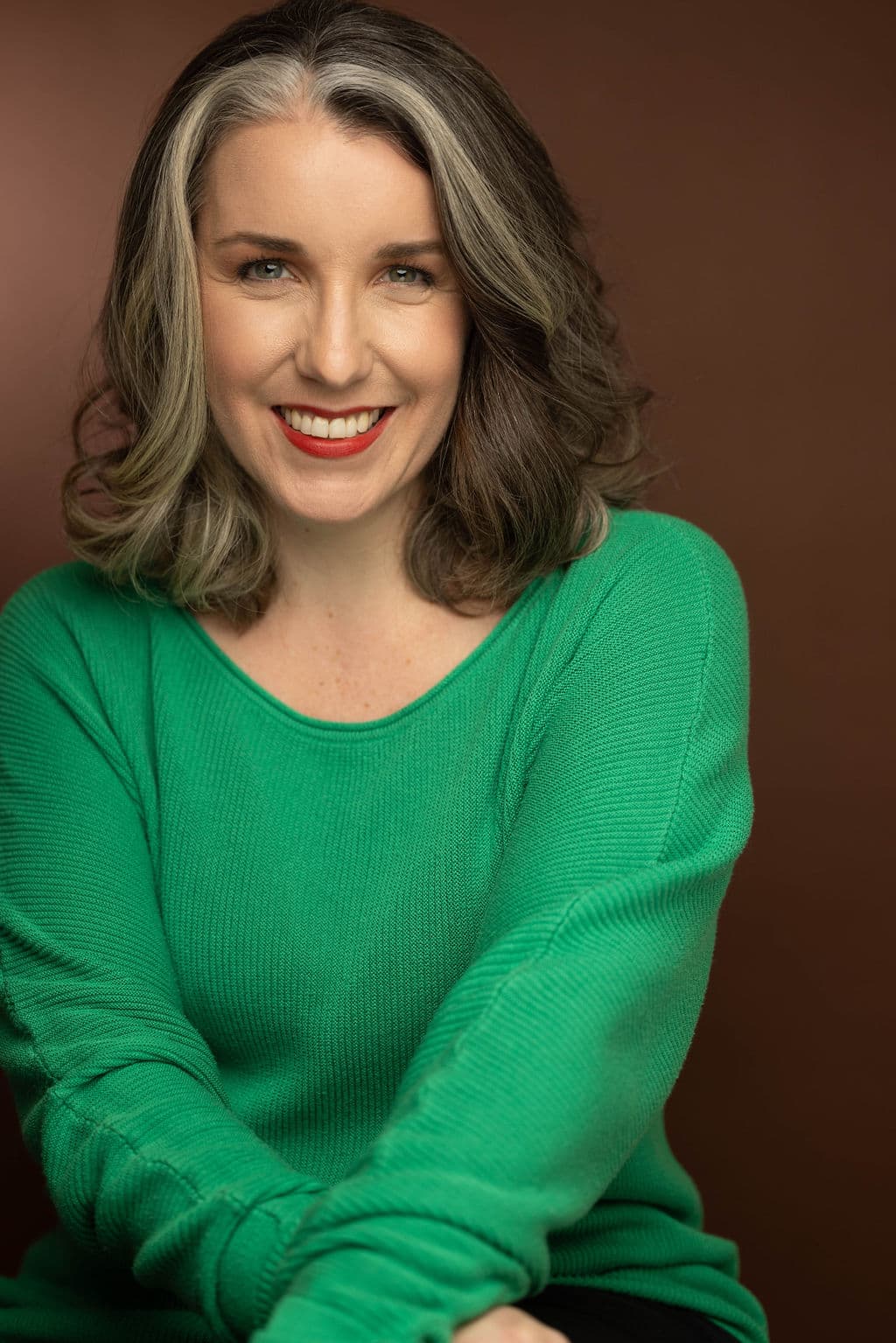
Lauren is a prolific, full time voice talent serving a global clientele from her New York studio. She has leant her voice to thousands of projects across all niches and genres. Trusted by top brands such as Pinterest, Microsoft, Kohl’s, Nokia, Toyota and Chipotle, as well as hundreds of small businesses and starts ups, her voice has been described as warm, friendly, positive, professional, mature, encouraging, engaging, “effortlessly amazing”, “legendary”, “next level”, “perfection” and “the bomb dot com”. Clients consistently rave about her fast, friendly service, top quality audio and compelling reads that hit the mark on the first take. Lauren’s love for bringing messages to life behind the mic is matched only by her passion for performing live. She is a critically acclaimed actor & singer with over 20 years of professional training and experience performing on premier stages across North America. She is also a seasoned teacher, director, choreographer and coach as well as a proud wife and mama of twins.
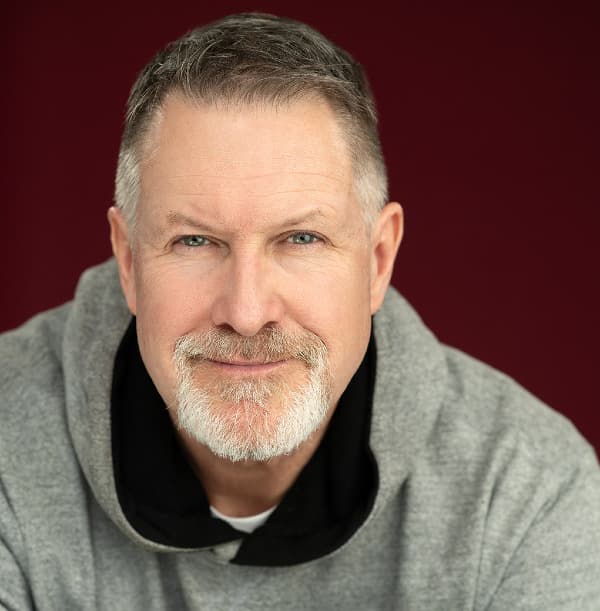
Todd has worked many of top Global Brands, including Coca-Cola, L'Oreal Paris, Cisco, Renewal by Anderson, Coast Appliances, Clam Outdoors, UNC Healthcare, Benny and Company, Shoeless Joe's and many, many more. Todd has agency representation in both Vancouver and Montreal and is also available for Non-Union projects. Todd loves what he does and he is always ready and willing to help his clients get exactly what they want and need. Todd records from his Broadcast quality Studio in Victoria, Canada with only the highest quality equipment and can usually provide Broadcast quality recordings in 24 hours.

Nettie R.🌹the Voice of the Rose 🌹- Voice Actor - Vocal Coach - Singer with 25 + years of experience and a Custom ISO Booth and Studio between Chicago and Milwaukee. I am sophisticated, poised, caring, down to earth, and lovingly lovable... graceful with grit and strength! Petal by Petal, my voice is layered with warmth, clarity, authority, and authentic versatility - truly designed for commercials, corporate narrations, e-learning, audiobooks, meditations, and character voices for anime and video games... etc. Whether you need soothing, conversational ;) energetic, bold, or even a celeb-style like Anne Hathaway, Charlize Theron, and Idina Menzel - from creative to corporate - rooted in artistry, precision, and heart... I bring emotion, drive, storytelling, and nuance to every word. I can help but love it! With a deep background in music and vocal coaching, I specialize in vocal intricacies - from a childlike tone of wonder to a grounded wise elderly mentor and so much in between. There are moments of pure fulfillment in each and every one! Clients and students trust me not just for my voice and abilities, but the heartfelt care and tailored attention I freely give. I also mentor emerging voice talents Nationwide and Internationally. Multilingual & Culturally Fluent: English - US General and Midwest Accent. Middle Eastern and General British Accents as well. Fluent in Arabic, with accurate pronunciation in over a dozen languages. Yours in Success... Nettie R.🌹
The Human Voice Advantage Is Measurable
Async's benchmark provides a framework for measuring TTS shortcomings. But you don't need a benchmark to measure the strengths of a skilled human voice actor. Clients experience the difference every day.
Human voice professionals deliver consistent pronunciation across complex scripts. They handle switching between languages, dialects, and registers. They interpret copy with emotional intelligence, adjusting tone for a medical explainer versus a retail ad versus an internal training module. They ask clarifying questions when something in the script doesn't make sense.
These capabilities aren't edge cases. They're the baseline of professional voiceover work. And they represent exactly the areas where TTS systems continue to struggle, as the benchmark data confirms.
Where Human Talent Outperforms TTS Systems
Pronunciation accuracy: Proper nouns, technical terms, and multilingual content handled correctly the first time, or corrected immediately in session.
Contextual interpretation: Understanding that "read" is past tense in one sentence and present tense in the next.
Emotional range: Delivering warmth, authority, urgency, or calm based on the communication goal, not a slider setting.
Brand consistency: Maintaining a specific voice identity across hundreds of assets over months or years.
Quality assurance: Self-monitoring for errors, pacing issues, and tonal mismatches during recording.
Open Benchmarks Are Good for the VO Industry
Voice actors should welcome benchmarks like Async's. Transparent, reproducible testing moves the conversation away from marketing claims and toward verifiable performance data. When AI voice companies publish their own promotional materials, the results always look impressive. Independent and open benchmarks tell a more complete story.
The more the industry measures TTS performance in realistic conditions, the clearer the value proposition for human talent becomes. Professional voice actors aren't competing with the best-case scenario shown in a demo. They're competing with the actual deployed product, which, according to this benchmark, still has meaningful reliability problems.
What This Means Going Forward
AI voice technology will continue to improve. That's a given. But improvement in controlled settings doesn't automatically translate to production reliability. The gap Async identified is structural. Closing it requires solving problems that go well beyond generating natural-sounding audio.
For voiceover professionals, the takeaway is clear. The demand for reliable, accurate, contextually intelligent voice work isn't going away. If anything, benchmarks like this reinforce why brands that need dependable voice content continue to hire real people to deliver it.
Platforms like RealVOTalent exist to connect brands with professional voice actors who deliver the accuracy, consistency, and creative intelligence that production environments demand. As the data shows, that's a standard AI voices haven't met yet.

Written by
Trevor O'Hare
Founder, RealVOTalent
Trevor is a professional voice actor who has worked in audio for over two decades and been in the voiceover industry since 2019, completing thousands of projects for Fortune 500 companies and small businesses alike. He also coaches voice talent at VOTrainer.com.
Get voiceover industry tips & insights
Join our newsletter. No spam, unsubscribe anytime.


