
Hiring Specialized Voice Talent: Accents and Dialects for Global Campaigns
Your global campaign's Spanish sounds wrong to locals. Here's how to cast region-specific voice talent with authentic accents that build audience trust.

Why Accents and Dialects Matter in Global Campaigns
A brand launches a campaign in Mexico City using a voice actor from Madrid. The Spanish is grammatically correct, the delivery is polished, and the production quality is excellent. But something feels off to the local audience. The phrasing sounds foreign. The rhythm is wrong. Within days, social media comments are calling the brand "out of touch."
This scenario repeats across global marketing. When brands expand into new markets, voice talent selection becomes one of the most critical decisions in the production chain. Getting the accent or dialect right signals respect and cultural fluency. Getting it wrong tells your audience you didn't care enough to learn who they are.
The Difference Between an Accent and a Dialect
Before hiring, it helps to understand what you're asking for. These terms get used interchangeably, but they refer to different things.
An accent refers to pronunciation patterns: how vowels are shaped and where stress falls in a word. A dialect goes further, including vocabulary choices, grammar structures, and idiomatic expressions specific to a region or community. Someone speaking British English with a Yorkshire accent uses different vowel sounds than someone in London. But a Scots dialect speaker may use entirely different words and sentence constructions.
For global campaigns, this distinction matters because your script may need more than a voice with the right sound. It may need localized phrasing that reflects how real people in that market talk.
Common Mistakes Brands Make When Casting for Global Markets
Treating a Language as One Market
Spanish spoken in Buenos Aires sounds nothing like Spanish spoken in Bogotá, which sounds nothing like Spanish spoken in Barcelona. Portuguese in São Paulo differs sharply from Portuguese in Lisbon. Arabic varies dramatically across North Africa, the Levant, and the Gulf states. Casting a single "Spanish speaker" or "Arabic speaker" for a multi-region campaign almost guarantees that your message will sound generic at best and alienating at worst.
Relying on Actors Who Can "Do" an Accent
There's a meaningful gap between a voice actor who can imitate an accent and one who grew up speaking that way. Trained ears pick up on the difference immediately. A native speaker of Brazilian Portuguese will catch the subtle vowel shifts and cadence patterns that even a skilled mimic from Portugal will struggle to replicate consistently across a full script. When your audience is made up entirely of native speakers, authenticity is non-negotiable.
Skipping Regional Review
Even when you cast a native speaker from the right region, scripts written in a "standard" version of the language can contain phrases that sound unnatural when spoken in a specific dialect. Build regional review into your production workflow. Have a native consultant or the voice actor themselves flag any phrasing that feels stiff or imported.
How to Source the Right Specialized Voice Talent
Finding voice actors with authentic regional accents and dialects requires a more targeted approach than posting a generic casting call.
- Specify the exact region in your casting brief. Don't write "French voice actor." Write "native Parisian French speaker" or "Québécois French speaker" depending on your target market. The more specific you are, the better your submissions will be.
- Request demos in the target dialect. A voice actor's general reel may showcase range, but you need to hear them speaking naturally in the specific accent your campaign requires. Ask for custom auditions using a portion of your actual script.
- Use a marketplace built for this. General freelance platforms make it difficult to filter by regional accent or dialect. Specialized voice talent marketplaces allow you to search by language, region, and accent type, dramatically reducing the time you spend sorting through irrelevant auditions.
- Involve native speakers in the selection process. If no one on your team speaks the target language natively, bring in a consultant for the audition review. They'll catch things you cannot hear.
Need a commercial voice for your next project?
RealVOTalent is a marketplace of verified human voice actors. Play demos, compare rates, and hire in minutes.
Featured Commercial Talent
View all →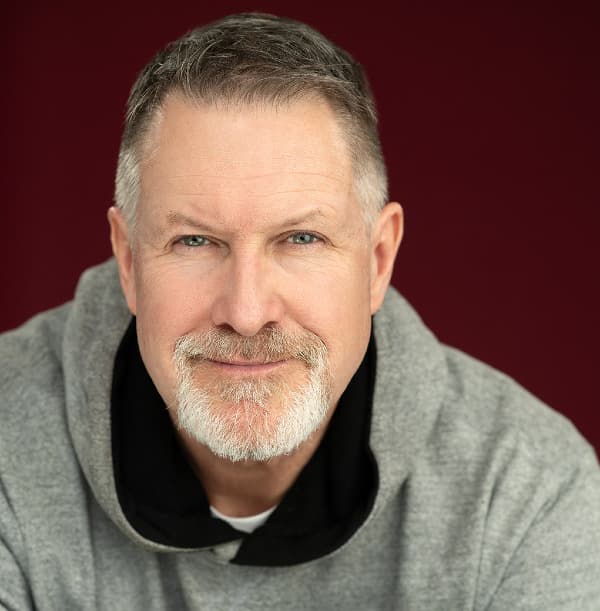
Todd has worked many of top Global Brands, including Coca-Cola, L'Oreal Paris, Cisco, Renewal by Anderson, Coast Appliances, Clam Outdoors, UNC Healthcare, Benny and Company, Shoeless Joe's and many, many more. Todd has agency representation in both Vancouver and Montreal and is also available for Non-Union projects. Todd loves what he does and he is always ready and willing to help his clients get exactly what they want and need. Todd records from his Broadcast quality Studio in Victoria, Canada with only the highest quality equipment and can usually provide Broadcast quality recordings in 24 hours.

Looking for a polished, professional British voice that instantly lifts your project? You've come to the right place! Most messages fall flat because the delivery lacks clarity, authority or warmth or the audio just isnt good enough. A strong script deserves a voice that makes people listen. I'm a British voice actor with a warm, trustworthy RP accent and 20 years of international broadcast journalism experience. I provide broadcast-quality audio from my professional UK studio, with a streamlined, no-hassle buying process. Perfect for commercials, corporate narration, explainer videos, eLearning, medical narration, brand films and luxury content. Fast turnaround, precise editing and a smooth, reliable workflow every time. Clients including Visa, DHL, Coca-Cola, SharkNinja, Mitchum, VistaJet and more than 2,000 happy customers trust my voice to bring their stories to life. Want your project to sound credible, confident and compelling? Get in touch!

Lauren is a prolific, full time voice talent serving a global clientele from her New York studio. She has leant her voice to thousands of projects across all niches and genres. Trusted by top brands such as Pinterest, Microsoft, Kohl’s, Nokia, Toyota and Chipotle, as well as hundreds of small businesses and starts ups, her voice has been described as warm, friendly, positive, professional, mature, encouraging, engaging, “effortlessly amazing”, “legendary”, “next level”, “perfection” and “the bomb dot com”. Clients consistently rave about her fast, friendly service, top quality audio and compelling reads that hit the mark on the first take. Lauren’s love for bringing messages to life behind the mic is matched only by her passion for performing live. She is a critically acclaimed actor & singer with over 20 years of professional training and experience performing on premier stages across North America. She is also a seasoned teacher, director, choreographer and coach as well as a proud wife and mama of twins.
Building a Dialect Strategy for Multi-Market Campaigns
Brands running campaigns across several regions simultaneously need a structured approach to voice talent. A scattershot process leads to inconsistent brand voice, delayed timelines, and wasted budget on re-records.
Map Your Markets First
Start by listing every target market and the specific language variant spoken there. For a campaign targeting Latin America, you might need separate voice tracks for Mexican Spanish, Colombian Spanish, Argentine Spanish, and Chilean Spanish. Each market has distinct pronunciation, slang, and cultural references that affect how your message lands.
Create a Voice Style Guide
Document the tone, pacing, and energy level you want across all markets, while leaving room for regional adaptation. A warm, conversational tone translates across cultures, but the specific vocal delivery patterns that signal "warm and conversational" differ from one region to the next. Your style guide should define the emotional target while trusting regional voice actors to hit it in a way that sounds natural to their audience.
Centralize Casting Through One Platform
Managing voice talent across five or ten markets through separate vendors creates coordination headaches. A single marketplace with a global talent roster lets you brief, audition, and book across regions from one dashboard. This keeps your brand voice consistent while still allowing for regional authenticity.
The Business Case for Getting This Right
Audiences connect more deeply with content that sounds like it was made specifically for them. Research from CSA Research (formerly Common Sense Advisory) has consistently found that consumers are significantly more likely to buy products when information is presented in their own language. But language alone isn't enough. The way that language sounds matters as much.
A voiceover that uses the right words but the wrong accent creates cognitive friction. The listener spends mental energy processing why something sounds slightly off instead of absorbing your message. That friction translates directly into lower engagement and weaker conversion.
On the other hand, a voice that sounds like someone from the listener's own community builds instant credibility. It says: this brand understands us. That emotional shortcut is worth far more than the additional cost of casting region-specific talent.
Start With Authentic Voices
Global campaigns succeed when audiences hear a voice that belongs to their community. The voice behind your message carries as much meaning as the words themselves, and audiences can tell the difference between someone performing their accent and someone living it.
If you're building a campaign that needs to resonate across borders, start your search at RealVOTalent.com. Every voice actor on the platform is a real, verified human performer. You can search by language, region, and accent type to find talent that matches your exact market needs. No AI-generated voices, no synthetic shortcuts. Real voices that connect with real audiences.

Written by
Trevor O'Hare
Founder, RealVOTalent
Trevor is a professional voice actor who has worked in audio for over two decades and been in the voiceover industry since 2019, completing thousands of projects for Fortune 500 companies and small businesses alike. He also coaches voice talent at VOTrainer.com.
Get voiceover industry tips & insights
Join our newsletter. No spam, unsubscribe anytime.


