The Essential Tools for Buyers to Collaborate Seamlessly with Remote Talent
Six categories of tools that turn remote voice talent sessions into smooth, studio-quality collaborations, from live-directed platforms to milestone payments.
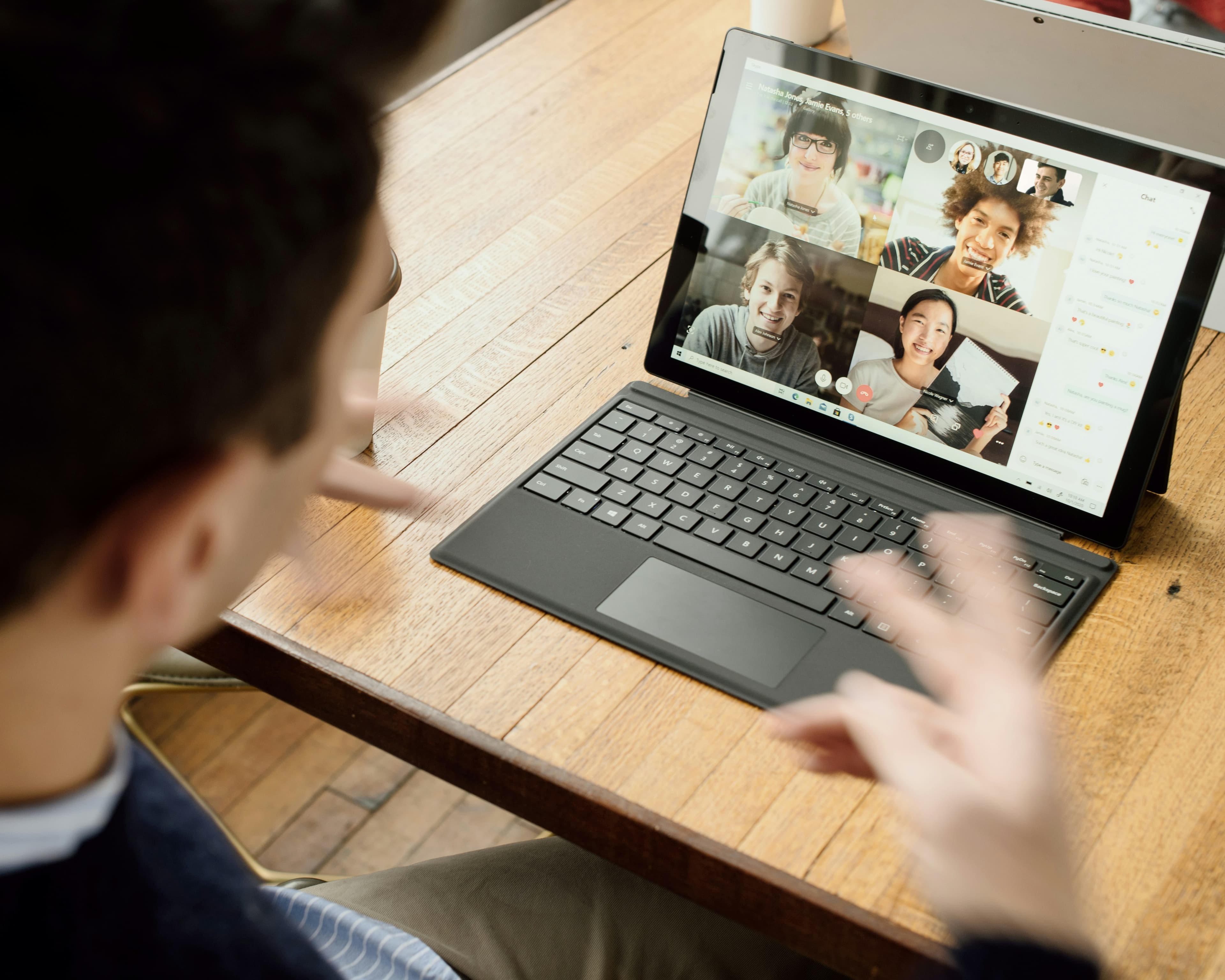
Why Remote Collaboration With Voice Talent Demands the Right Toolkit
You've found the perfect voice for your project, a warm, authoritative narrator who nails your brand tone on the first read. There's just one problem: they're in Nashville, your producer is in London, and you're reviewing takes from a hotel room in Toronto. Without the right tools in place, that dream collaboration turns into a nightmare of missed messages, garbled audio files, and revision cycles that drag on for weeks.
Working with remote voice talent is now standard. The talent pool is global, and the best voice for your project rarely lives down the street. But distance only becomes a barrier when your workflow can't keep up. The tools you choose determine whether a remote session feels effortless or chaotic, and whether your project lands on time and on budget.
Communication Platforms That Keep Everyone Aligned
Email alone won't cut it when you're managing a voice-over project with multiple stakeholders. Threads get buried, attachments hit size limits, and critical feedback disappears into reply chains no one reads. You need a dedicated communication hub.
Real-Time Messaging for Quick Decisions
Slack and Microsoft Teams let you create project-specific channels where direction notes, script changes, and scheduling updates live in one searchable place. Pin important messages (like the approved script version or the final delivery date) so no one has to scroll through days of conversation to find them.
Video Calls for Direction and Nuance
Some feedback is impossible to type. When you need to demonstrate pacing, emphasize a particular emotional beat, or walk through pronunciation guides, a quick Zoom or Google Meet call saves hours of back-and-forth text. Many buyers schedule a brief kickoff video call before recording begins, then switch to asynchronous communication for the rest of the project. This hybrid approach respects everyone's time while ensuring the talent fully understands the creative vision.
File Sharing and Storage Solutions Built for Large Audio
Voice-over files are large, especially when delivered in uncompressed WAV format at broadcast quality. Standard email attachments max out fast, and consumer-grade file sharing often compresses audio without warning, destroying the quality you're paying for.
Google Drive, Dropbox, and WeTransfer handle large audio files reliably. Create a shared folder structure that separates raw takes from edited files, and establish a clear naming convention before work begins. Something as simple as ProjectName_ScriptSection_TakeNumber_Date prevents the confusion of sorting through dozens of identically named files weeks later.
For teams managing multiple voice-over projects simultaneously, dedicated digital asset management tools like Frame.io allow you to comment directly on audio timelines, marking the exact second where a word needs re-emphasis or a pause feels too long. This precision eliminates vague feedback like "the middle part needs work" and replaces it with actionable, timestamped direction.
Project Management Tools That Prevent Scope Creep
A voice-over project that starts as a simple thirty-second commercial spot can quietly balloon into a full campaign with six variations, three languages, and a last-minute request for a scratch track. Without a project management system, these additions slip in undocumented, and suddenly timelines and budgets mean nothing.
Tracking Tasks and Milestones
Tools like Trello, Asana, or Monday.com give every stakeholder visibility into where the project stands. Set up boards or task lists that mirror your production stages:
- Script finalization and approval
- Recording session scheduled
- Raw audio delivered
- Revisions requested
- Final master approved
- Files delivered in all required formats
When talent, producers, and clients can all see the same pipeline, nobody sends the dreaded "just checking in" email. Progress is visible. Bottlenecks surface immediately. And when scope does change, you have a documented trail that supports fair renegotiation of timelines and compensation.
Need a commercial voice for your next project?
RealVOTalent is a marketplace of verified human voice actors. Play demos, compare rates, and hire in minutes.
Featured Commercial Talent
View all →
With experience in commercial, and character work, Hannah is easy to direct, quick to adjust, and eager to bring strong performance and intention to every script. Hannah comes from an on-camera background, is comfortable working in live-directed sessions and available via Source-Connect.

Nettie R.🌹the Voice of the Rose 🌹- Voice Actor - Vocal Coach - Singer with 25 + years of experience and a Custom ISO Booth and Studio between Chicago and Milwaukee. I am sophisticated, poised, caring, down to earth, and lovingly lovable... graceful with grit and strength! Petal by Petal, my voice is layered with warmth, clarity, authority, and authentic versatility - truly designed for commercials, corporate narrations, e-learning, audiobooks, meditations, and character voices for anime and video games... etc. Whether you need soothing, conversational ;) energetic, bold, or even a celeb-style like Anne Hathaway, Charlize Theron, and Idina Menzel - from creative to corporate - rooted in artistry, precision, and heart... I bring emotion, drive, storytelling, and nuance to every word. I can help but love it! With a deep background in music and vocal coaching, I specialize in vocal intricacies - from a childlike tone of wonder to a grounded wise elderly mentor and so much in between. There are moments of pure fulfillment in each and every one! Clients and students trust me not just for my voice and abilities, but the heartfelt care and tailored attention I freely give. I also mentor emerging voice talents Nationwide and Internationally. Multilingual & Culturally Fluent: English - US General and Midwest Accent. Middle Eastern and General British Accents as well. Fluent in Arabic, with accurate pronunciation in over a dozen languages. Yours in Success... Nettie R.🌹

Looking for a polished, professional British voice that instantly lifts your project? You've come to the right place! Most messages fall flat because the delivery lacks clarity, authority or warmth or the audio just isnt good enough. A strong script deserves a voice that makes people listen. I'm a British voice actor with a warm, trustworthy RP accent and 20 years of international broadcast journalism experience. I provide broadcast-quality audio from my professional UK studio, with a streamlined, no-hassle buying process. Perfect for commercials, corporate narration, explainer videos, eLearning, medical narration, brand films and luxury content. Fast turnaround, precise editing and a smooth, reliable workflow every time. Clients including Visa, DHL, Coca-Cola, SharkNinja, Mitchum, VistaJet and more than 2,000 happy customers trust my voice to bring their stories to life. Want your project to sound credible, confident and compelling? Get in touch!
Remote Recording and Directed Session Tools
The most transformative shift in remote voice-over collaboration has been the rise of platforms that simulate the experience of being in the studio together, without anyone leaving home.
Live-Directed Sessions Over the Internet
Platforms like Source-Connect, SessionLinkPRO, and ipDTL stream broadcast-quality audio in real time between the talent's home studio and your location. You hear exactly what the microphone captures, give direction between takes, and walk away with finished recordings, all without booking studio time or paying for travel.
For buyers who don't need full broadcast-quality streaming, even a simple phone patch through Zoom or a dedicated ISDN bridge can work for shorter projects. The key is establishing the technical setup before the session. Run a test call at least twenty-four hours in advance to check audio levels, latency, and backup plans if the connection drops.
Self-Directed Recording With Clear Briefs
Not every project requires live direction. For straightforward reads (e-learning modules, IVR prompts, or audiobook chapters with established character voices), a detailed creative brief often delivers better results than hovering over the talent's shoulder. Include reference recordings, pronunciation guides, and specific notes on tone and pacing. Trust the professional you hired to interpret the material, and reserve live sessions for complex or high-stakes work.
Contracts, Payments, and Rights Management
The business side of working with remote talent demands the same attention as creative workflow, and the right tools protect both parties.
Use digital contract platforms like DocuSign or HelloSign to formalize usage rights, revision limits, and payment terms before recording begins. Specify whether the voice-over is for a regional radio spot or a global streaming campaign, because usage scope directly affects fair compensation, and ambiguity leads to disputes.
For payments, platforms that support milestone-based releases (such as PayPal Business, Wise, or escrow services) give talent confidence they'll be paid while giving buyers assurance that deliverables meet agreed-upon standards before funds transfer. This structure is especially important for international collaborations where currency conversion and banking differences add complexity.
Building Your Remote Collaboration Stack
You don't need every tool on this list. You need the right combination for your project's scale and complexity. A solo buyer commissioning a single voice-over for a podcast intro might only need Google Drive and a Zoom call. A production company managing a multilingual ad campaign needs the full stack: project management, live-directed sessions, digital asset management, and formal contracts.
Start with communication and file sharing. Add project management when you're juggling more than two active projects. Invest in directed session technology when live feedback becomes essential to your creative process. And always, regardless of project size, put agreements in writing.
The common thread across every successful remote collaboration is this: the tools fade into the background, and the creative work takes center stage. When your systems handle logistics cleanly, you spend your energy where it matters: finding the right voice and bringing your project to life.
RealVOTalent.com connects you with experienced, professional human voice actors who are equipped to collaborate remotely on any project. Browse talent, listen to demos, and start your next project with confidence, no matter where in the world the perfect voice happens to be.

Written by
Trevor O'Hare
Founder, RealVOTalent
Trevor is a professional voice actor who has worked in audio for over two decades and been in the voiceover industry since 2019, completing thousands of projects for Fortune 500 companies and small businesses alike. He also coaches voice talent at VOTrainer.com.
Get voiceover industry tips & insights
Join our newsletter. No spam, unsubscribe anytime.


