
Effective Project Management Strategies for Voiceover
Six battle-tested project management strategies that keep voiceover productions on time, on budget, and free from the revision chaos that derails creative teams.

Why Voiceover Projects Sometimes Fall Apart, and How to Prevent It
A thirty-second commercial spot might seem simple on paper. One voice, one script, one final file. But behind that polished audio sits a chain of moving parts: casting decisions, script revisions, recording sessions, client approvals, and tight deadlines that rarely forgive disorganization. When voiceover coordination breaks down, budgets bloat, timelines slip, and creative quality suffers.
Project management is the invisible skill behind every well-run voiceover production. The system below keeps projects on track from brief to final delivery.
Define Scope and Deliverables Before You Cast a Single Voice
Rushing to auditions before locking down project scope is one of the most expensive mistakes in voiceover coordination. Without clear deliverables, you'll end up re-casting, re-recording, and renegotiating, all on your dime.
What a Solid Scope Document Includes
Total word count across all scripts
Number of distinct characters or voice roles required
File format, sample rate, and delivery specifications
Usage rights (broadcast, digital, internal, or buyout)
Timeline with milestone dates for casting, recording, review, and final delivery
A well-defined scope document does more than protect your budget. It gives voice talent the clarity they need to quote accurately and deliver exactly what you expect. Ambiguity at this stage compounds into costly confusion later.
Build a Casting Workflow That Saves Time and Money
Casting is where creative vision meets practical logistics, and it's where many projects stall. Sifting through hundreds of auditions without a structured evaluation process wastes hours and leads to decision fatigue.
Structure Your Audition Process
Start by writing a casting brief that goes beyond "friendly and professional." Specify the emotional arc, pacing, reference reads, and any pronunciation requirements. The more specific your direction, the fewer rounds of auditions you'll need.
Create a shortlist scorecard with weighted criteria: vocal quality, interpretation accuracy, technical recording quality, and availability. Share this scorecard with every stakeholder before auditions arrive so the team evaluates against the same standard, not personal taste.
Keep Stakeholder Input Focused
Limit the number of decision-makers involved in casting. When six people weigh in on voice selection, you end up with compromise picks that satisfy no one. Designate one creative lead to make the final call, with input from no more than two additional stakeholders.
Create a Communication Framework That Eliminates Guesswork
Poor communication is the root cause of nearly every voiceover project delay. Emails get buried. Feedback gets fragmented across Slack threads, text messages, and phone calls. Talent receives conflicting direction from different team members.
Establish a single source of truth for every project. This might be a shared project management board, a dedicated channel, or a production tracking sheet. The tool matters less than the discipline of using it consistently.
Set Communication Ground Rules Early
All script changes go through one designated point of contact
Feedback on recordings is consolidated before being sent to talent
Response time expectations are stated upfront, not assumed
Session details (date, time, platform, script version) are confirmed in writing at least 48 hours before recording
Voice actors perform best when they receive clear, unified direction. Sending contradictory notes from multiple stakeholders slows production, erodes trust, and makes top talent hesitant to work with you again.
Need a commercial voice for your next project?
RealVOTalent is a marketplace of verified human voice actors. Play demos, compare rates, and hire in minutes.
Featured Commercial Talent
View all →
Sara is a full time American voice actor who brings energy, charisma, and playfulness to each performance. With a strong foundation in creative storytelling and clear communication, she shines in character-driven work, where she can explore bold choices, distinct personalities, and expressive range. That same sense of play also informs her commercial and narration reads, giving them a fresh, authentic feel. Her voice carries a cool, charismatic blend of Cameron Diaz and Drew Barrymore, with hints of Miley Cyrus edge and Aubrey Plaza charm. Naturally playful and emotionally agile, Sara’s sound is engaging and adaptable. Known for her collaborative, low-stress sessions and taking direction like a beast, she makes the process smooth, fun, and creatively rewarding. Performing in a custom-built, professionally sound-treated studio, Sara delivers broadcast-quality audio with quick delivery. Accent work includes general American, American (south), British RP, French, Italian, and German. Based in Central Florida with her partner and dog, Sara spends her free time playing and streaming video games, painting, and spending as much time in a hammock as possible.

Jackson is a professional voice actor with a warm, engaging, and authentic North American voice. His sound ranges from friendly and conversational to confident and grounded, making him a strong fit for commercials, narration, e-learning, IVR, and character work. Known for a natural, relatable delivery and clear articulation, Jackson brings a real-person feel to every read while adapting easily to brand tone and direction. He records from a professional home studio and prides himself on reliability, fast turnaround, and collaborative communication.
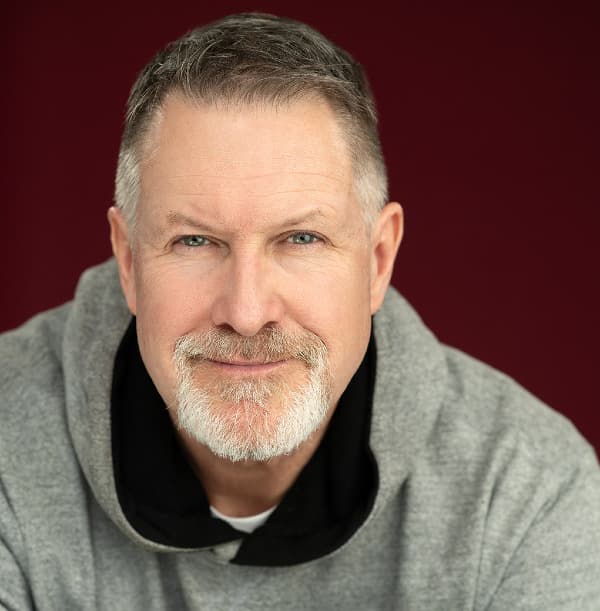
Todd has worked many of top Global Brands, including Coca-Cola, L'Oreal Paris, Cisco, Renewal by Anderson, Coast Appliances, Clam Outdoors, UNC Healthcare, Benny and Company, Shoeless Joe's and many, many more. Todd has agency representation in both Vancouver and Montreal and is also available for Non-Union projects. Todd loves what he does and he is always ready and willing to help his clients get exactly what they want and need. Todd records from his Broadcast quality Studio in Victoria, Canada with only the highest quality equipment and can usually provide Broadcast quality recordings in 24 hours.
Master Session Scheduling Across Time Zones and Availability Windows
Voiceover talent works across time zones, often juggling multiple bookings in a single day. A recording session scheduled for "sometime next week" will not hold.
Book sessions with specific time blocks and confirm them with calendar invitations, not casual messages. Include the recording platform link, the exact script version to be recorded, and any technical requirements the talent should prepare for.
Build Buffer Into Every Timeline
Projects that schedule recording sessions back-to-back with delivery deadlines leave zero room for the unexpected. A talent's home studio might have a noise issue that day. A script change might arrive mid-session. The client might request a different emotional read after hearing the first take.
Build at least a two-business-day buffer between your final recording session and client delivery. This cushion absorbs surprises without forcing overtime or panic revisions.
Design a Feedback and Revision Process That Protects Quality and Relationships
Revision rounds are where voiceover projects either stay on budget or spiral out of control. Without clear revision policies, a project scoped for two rounds of edits can quietly balloon to five or six, each one burning time and goodwill.
Make Revision Expectations Explicit
Define the number of included revision rounds in your initial agreement with talent. Specify what constitutes a revision versus a new direction. A minor pacing adjustment is a revision. Rewriting the script and asking for a completely different vocal tone is a new session.
When providing feedback, use timestamped notes tied to specific moments in the audio file. "The read feels a little flat" gives talent nothing to work with. "At 0:14, lift the energy on 'revolutionary' — the current read sounds understated for a product launch" gives them everything they need in one pass.
Consolidate Before You Send
Gather all stakeholder feedback into a single, organized document before sending it to your voice actor. Contradictory notes ("make it warmer" from one reviewer and "more authoritative" from another) should be resolved internally, not dumped on talent to interpret.
Track Everything, Blame Nothing
Post-project reviews separate good production teams from great ones. After delivery, take thirty minutes to document what worked, what caused delays, and what you'd change next time. Track metrics that matter: time from casting to delivery, number of revision rounds, budget variance, and talent satisfaction.
The goal is building institutional knowledge so your next voiceover project runs tighter than the last. Over time, these retrospectives become your most valuable project management asset, a playbook built from real experience.
Bring Structure to Your Next Voiceover Project
Great voiceover coordination doesn't require complex software or elaborate systems. It requires clear scope, disciplined communication, realistic scheduling, and a feedback process that respects everyone's time and talent. Get those fundamentals right, and the creative work takes care of itself.
When you're ready to find the right human voice for your next project, RealVOTalent.com connects you with real, professional voice actors ready to deliver. Browse talent, request auditions, and start building your next production on a foundation of quality, from casting through final delivery.

Written by
Trevor O'Hare
Founder, RealVOTalent
Trevor is a professional voice actor who has worked in audio for over two decades and been in the voiceover industry since 2019, completing thousands of projects for Fortune 500 companies and small businesses alike. He also coaches voice talent at VOTrainer.com.
Get voiceover industry tips & insights
Join our newsletter. No spam, unsubscribe anytime.


