Why AI Voices Fool So Many, and What Actually Protects You From Scams
AI voices are fooling more people than ever, fueling scams and raising concerns for VO professionals. Learn how to protect your voice and career in the age

AI-generated voices have reached an unsettling level of realism. According to a recent report from upday News, synthetic voices are now convincing enough to power sophisticated scams, and most people cannot tell the difference between a real human voice and an AI-generated one. For voiceover professionals, this story hits close to home in more ways than one.
The Rise of Convincing AI Voices
Just a few years ago, AI-generated speech sounded robotic, stilted, and easy to spot. Those days are over. Modern text-to-speech and voice cloning technologies can now replicate tone, pacing, emotional inflection, and even the subtle imperfections that make a voice sound authentically human.
This rapid improvement is driven by deep learning models trained on massive datasets of human speech. Some platforms can clone a voice from just a few seconds of audio. The result is synthetic speech that can deceive not only casual listeners but even trained ears in many cases.
How AI Voice Scams Work
Bad actors are exploiting this technology in alarming ways. Common AI voice scams include:
Impersonation calls: Scammers clone the voice of a family member, boss, or colleague to request urgent money transfers or sensitive information.
Fake customer service lines: AI voices pose as representatives from banks, government agencies, or tech companies to harvest personal data.
Unauthorized voice cloning: A person's voice is replicated without consent and used in advertisements, content, or fraudulent schemes.
Deepfake audio evidence: Fabricated voice recordings used to manipulate situations in personal, legal, or professional contexts.
The reason these scams succeed is fundamentally human. We are wired to trust familiar voices. When we hear someone who sounds like a loved one in distress, our emotional response overrides our critical thinking, and scammers know it.
What This Means for Voiceover Professionals
For the voiceover community, the implications of convincing AI voices extend beyond personal security. They strike at the heart of the profession itself.
Your voice is your livelihood, and now it's a target. Every voiceover artist with publicly available demos, reels, or published work has audio that could theoretically be used to train a voice clone. This raises urgent questions about consent, compensation, and intellectual property rights.
The good news is that awareness is growing. Legislation is catching up, with several jurisdictions introducing laws that specifically address unauthorized voice cloning. Industry organizations are also pushing for stronger protections, and platforms like RealVOTalent are committed to connecting clients with real human voice talent, ensuring that the work produced is authentic, licensed, and ethically sourced.
Need a commercial voice for your next project?
RealVOTalent is a marketplace of verified human voice actors. Play demos, compare rates, and hire in minutes.
Featured Commercial Talent
View all →
Nettie R.🌹the Voice of the Rose 🌹- Voice Actor - Vocal Coach - Singer with 25 + years of experience and a Custom ISO Booth and Studio between Chicago and Milwaukee. I am sophisticated, poised, caring, down to earth, and lovingly lovable... graceful with grit and strength! Petal by Petal, my voice is layered with warmth, clarity, authority, and authentic versatility - truly designed for commercials, corporate narrations, e-learning, audiobooks, meditations, and character voices for anime and video games... etc. Whether you need soothing, conversational ;) energetic, bold, or even a celeb-style like Anne Hathaway, Charlize Theron, and Idina Menzel - from creative to corporate - rooted in artistry, precision, and heart... I bring emotion, drive, storytelling, and nuance to every word. I can help but love it! With a deep background in music and vocal coaching, I specialize in vocal intricacies - from a childlike tone of wonder to a grounded wise elderly mentor and so much in between. There are moments of pure fulfillment in each and every one! Clients and students trust me not just for my voice and abilities, but the heartfelt care and tailored attention I freely give. I also mentor emerging voice talents Nationwide and Internationally. Multilingual & Culturally Fluent: English - US General and Midwest Accent. Middle Eastern and General British Accents as well. Fluent in Arabic, with accurate pronunciation in over a dozen languages. Yours in Success... Nettie R.🌹
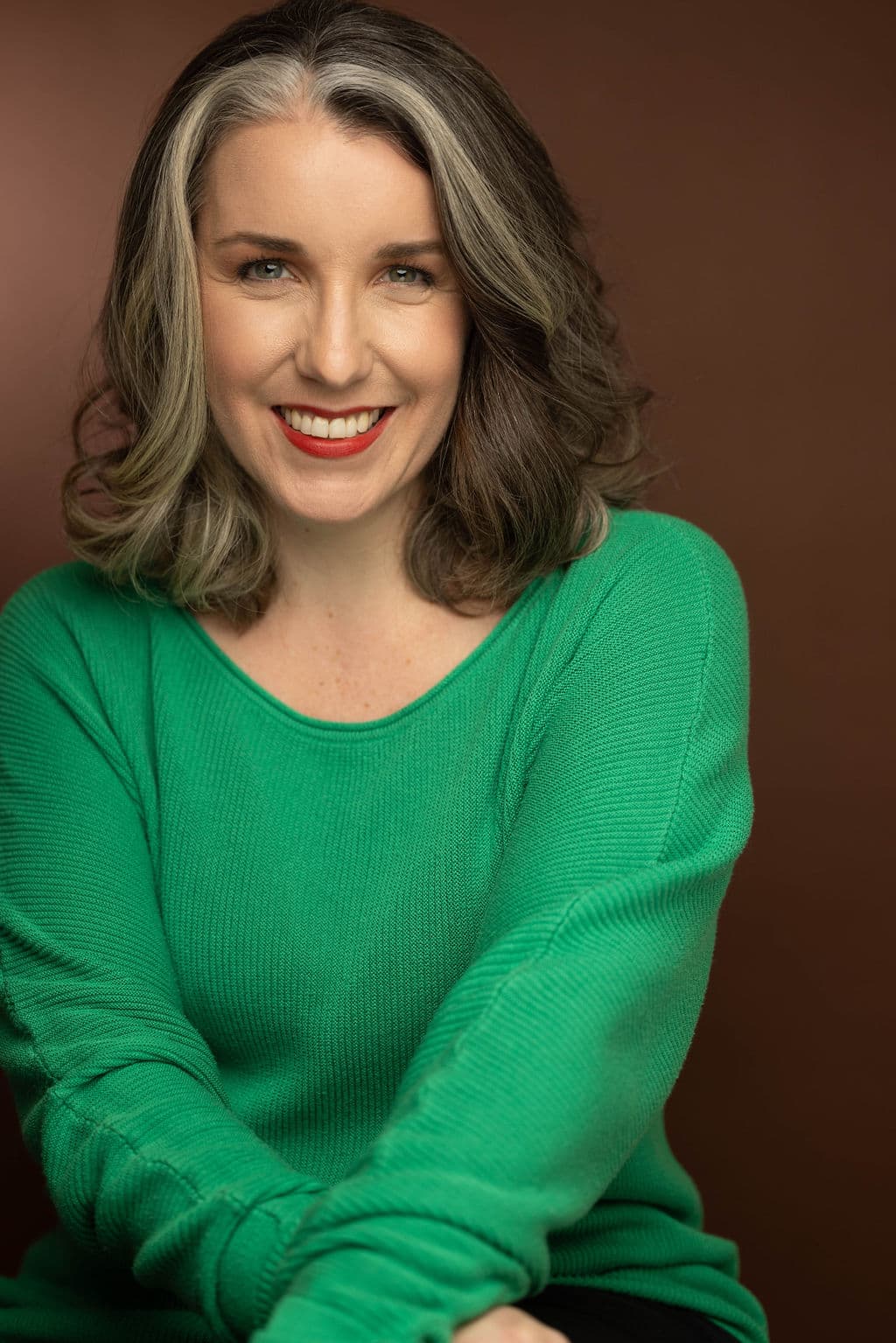
Lauren is a prolific, full time voice talent serving a global clientele from her New York studio. She has leant her voice to thousands of projects across all niches and genres. Trusted by top brands such as Pinterest, Microsoft, Kohl’s, Nokia, Toyota and Chipotle, as well as hundreds of small businesses and starts ups, her voice has been described as warm, friendly, positive, professional, mature, encouraging, engaging, “effortlessly amazing”, “legendary”, “next level”, “perfection” and “the bomb dot com”. Clients consistently rave about her fast, friendly service, top quality audio and compelling reads that hit the mark on the first take. Lauren’s love for bringing messages to life behind the mic is matched only by her passion for performing live. She is a critically acclaimed actor & singer with over 20 years of professional training and experience performing on premier stages across North America. She is also a seasoned teacher, director, choreographer and coach as well as a proud wife and mama of twins.

Aaron is a versatile voice actor working out of Central Florida. He works across commercial, video game, audiobook, and audio drama genres. His voice is known for its clarity, emotional precision, and a naturally heroic edge, making him well suited for both grounded storytelling and dynamic character work. He approaches each project with focus and intention, bringing thoughtful interpretation and strong connection to the material. Whether delivering high energy commercial copy, nuanced long form narration, or layered character performances, Aaron prioritizes authenticity, consistency, and emotional truth in every read. Clients and collaborators value his professionalism, adaptability, and collaborative approach in session. He takes direction well, communicates clearly, and works efficiently to support the creative vision and deliver reliable results. At the core of his work is a respect for the story and the audience. Aaron’s goal is always the same: to serve the script, honor the tone, and create performances that feel natural, compelling, and believable.
How to Protect Yourself
Whether you're a voiceover professional protecting your craft or a consumer guarding against scams, there are practical steps you can take:
Establish verification protocols: If you receive an unexpected call requesting money or sensitive information (even from a voice you recognize) hang up and call the person back directly using a known number.
Watermark and monitor your work: VO professionals should consider digital watermarking solutions and regularly search for unauthorized uses of their voice online.
Read contracts carefully: Before signing any voiceover agreement, look for clauses related to AI training, voice synthesis, or perpetual usage rights. If the language is vague, ask questions or consult a legal professional.
Work with reputable platforms: Hiring through trusted talent marketplaces like RealVOTalent ensures that both talent and clients operate within clear, ethical guidelines with real humans behind every recording.
Stay informed: The technology is evolving fast. Follow industry news, join professional voiceover communities, and keep up with legislative developments around AI and voice rights.
The Human Voice Still Wins
Here's what the headlines about AI voice scams actually reinforce: people trust human voices. That trust is so powerful that criminals are spending significant resources trying to replicate it. But replication is not replacement.
An AI can mimic speech patterns. It cannot bring the lived experience, creative intuition, and genuine emotional connection that a professional voice actor delivers. It cannot collaborate with a director in real time, adjust a read based on nuanced feedback, or bring a character to life with the depth that only a human performer can achieve.
The demand for authentic, trustworthy voice work is becoming more important than ever. As synthetic voices flood the market, the premium on verified, real human talent only increases.
Moving Forward
The conversation around AI voices and scams is a wake-up call, but it doesn't have to be a cause for panic. Voiceover professionals who stay informed, protect their intellectual property, and continue delivering work that no algorithm can truly match will remain indispensable.

Written by
Trevor O'Hare
Founder, RealVOTalent
Trevor is a professional voice actor who has worked in audio for over two decades and been in the voiceover industry since 2019, completing thousands of projects for Fortune 500 companies and small businesses alike. He also coaches voice talent at VOTrainer.com.
Get voiceover industry tips & insights
Join our newsletter. No spam, unsubscribe anytime.


