Why AI Fails the Emotional Nuance Test in High-Stakes Marketing Voiceovers
AI voices mimic emotion but miss the micro-inflections that build trust. See why high-stakes marketing campaigns still demand real human voice talent.

The Moment Everything Falls Flat
Picture this: a pharmaceutical company launches a new campaign for a medication that treats chronic pain. The voiceover needs to convey empathy, hope, and credibility all within 30 seconds. They decide to cut costs and run the script through an AI voice generator. The result sounds polished on the surface, but something is off. The pauses land in the wrong places. The warmth feels manufactured. The hope sounds hollow. Focus groups confirm what the marketing team suspected: the ad feels cold, and trust scores plummet.
This scenario plays out more often than most brands admit. AI voice technology has made impressive strides in clarity and pronunciation, but emotional nuance remains its blind spot. And in high-stakes marketing, where millions of dollars and brand reputation hang on every syllable, that blind spot is a liability.
What Emotional Nuance Actually Means in Voiceover
Emotional nuance is more than "sounding happy" or "sounding serious." It is the micro-adjustments a voice actor makes, often instinctively, that give a performance its texture. A slight catch in the breath before delivering a vulnerable line. A barely perceptible smile that warms the tone during a product reveal. The way a skilled performer lets silence do the heavy lifting between two sentences.
These choices come from lived experience. A human voice actor reads a script about financial security and draws on their own understanding of what it feels like to worry about money, or to finally feel safe. That personal connection bleeds into every inflection, every shift in pacing, every subtle rise and fall of pitch.
The Difference Between Mimicry and Meaning
AI voice models are trained on massive datasets of human speech. They learn patterns: rising pitch for questions, slower pacing for gravity, brighter tone for excitement. But pattern recognition is not comprehension. An AI can mimic the shape of sadness without understanding loss. It can replicate the cadence of reassurance without knowing what it means to comfort someone.
For a low-stakes internal training video, that mimicry might be good enough. For a national TV campaign that needs to move people to action, it falls apart under scrutiny.
Where the Stakes Are Highest
Certain marketing categories demand a level of vocal authenticity that AI cannot deliver consistently. Consider the following:
- Healthcare and pharmaceutical advertising, where trust is non-negotiable and audiences are emotionally vulnerable
- Financial services campaigns that must balance authority with approachability
- Nonprofit and cause-driven content where sincerity determines whether someone donates or scrolls past
- Luxury brand storytelling that relies on subtlety, restraint, and sophistication in delivery
- Political and public service messaging where a single misplaced inflection can change interpretation entirely
In each of these categories, the voiceover is doing more than narrating. It is building a relationship with the listener in real time. A human voice actor understands the weight of that responsibility. An algorithm does not.
Need a commercial voice for your next project?
RealVOTalent is a marketplace of verified human voice actors. Play demos, compare rates, and hire in minutes.
Featured Commercial Talent
View all →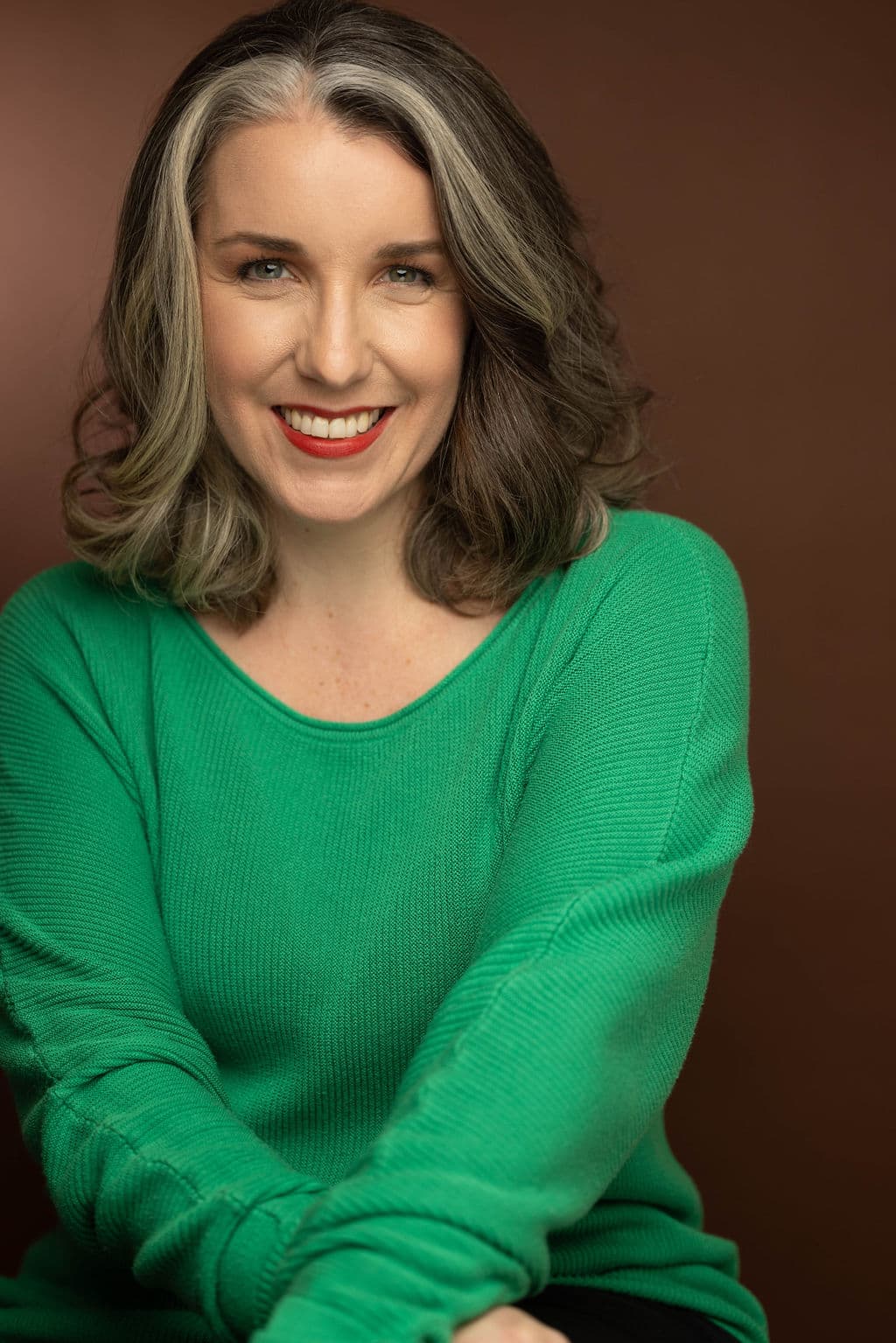
Lauren is a prolific, full time voice talent serving a global clientele from her New York studio. She has leant her voice to thousands of projects across all niches and genres. Trusted by top brands such as Pinterest, Microsoft, Kohl’s, Nokia, Toyota and Chipotle, as well as hundreds of small businesses and starts ups, her voice has been described as warm, friendly, positive, professional, mature, encouraging, engaging, “effortlessly amazing”, “legendary”, “next level”, “perfection” and “the bomb dot com”. Clients consistently rave about her fast, friendly service, top quality audio and compelling reads that hit the mark on the first take. Lauren’s love for bringing messages to life behind the mic is matched only by her passion for performing live. She is a critically acclaimed actor & singer with over 20 years of professional training and experience performing on premier stages across North America. She is also a seasoned teacher, director, choreographer and coach as well as a proud wife and mama of twins.

Looking for a polished, professional British voice that instantly lifts your project? You've come to the right place! Most messages fall flat because the delivery lacks clarity, authority or warmth or the audio just isnt good enough. A strong script deserves a voice that makes people listen. I'm a British voice actor with a warm, trustworthy RP accent and 20 years of international broadcast journalism experience. I provide broadcast-quality audio from my professional UK studio, with a streamlined, no-hassle buying process. Perfect for commercials, corporate narration, explainer videos, eLearning, medical narration, brand films and luxury content. Fast turnaround, precise editing and a smooth, reliable workflow every time. Clients including Visa, DHL, Coca-Cola, SharkNinja, Mitchum, VistaJet and more than 2,000 happy customers trust my voice to bring their stories to life. Want your project to sound credible, confident and compelling? Get in touch!

Nettie R.🌹the Voice of the Rose 🌹- Voice Actor - Vocal Coach - Singer with 25 + years of experience and a Custom ISO Booth and Studio between Chicago and Milwaukee. I am sophisticated, poised, caring, down to earth, and lovingly lovable... graceful with grit and strength! Petal by Petal, my voice is layered with warmth, clarity, authority, and authentic versatility - truly designed for commercials, corporate narrations, e-learning, audiobooks, meditations, and character voices for anime and video games... etc. Whether you need soothing, conversational ;) energetic, bold, or even a celeb-style like Anne Hathaway, Charlize Theron, and Idina Menzel - from creative to corporate - rooted in artistry, precision, and heart... I bring emotion, drive, storytelling, and nuance to every word. I can help but love it! With a deep background in music and vocal coaching, I specialize in vocal intricacies - from a childlike tone of wonder to a grounded wise elderly mentor and so much in between. There are moments of pure fulfillment in each and every one! Clients and students trust me not just for my voice and abilities, but the heartfelt care and tailored attention I freely give. I also mentor emerging voice talents Nationwide and Internationally. Multilingual & Culturally Fluent: English - US General and Midwest Accent. Middle Eastern and General British Accents as well. Fluent in Arabic, with accurate pronunciation in over a dozen languages. Yours in Success... Nettie R.🌹
The "Uncanny Valley" Problem in Audio
Most people are familiar with the uncanny valley concept in visual effects: a CGI face that looks almost human but triggers an instinctive sense of wrongness. The same phenomenon exists in audio, and it is arguably harder to pinpoint.
Listeners may not be able to articulate why an AI voiceover feels off. They know something does not sit right. Research from the University of Zurich published in 2024 found that listeners rated AI-generated speech as less trustworthy than human speech, even when they could not correctly identify which was which. The discomfort was subconscious but measurable.
For marketers, this is a serious problem. If your voiceover triggers even a faint sense of distrust, your message is already compromised before the listener processes a single word of copy.
Why Audiences Detect What They Cannot Name
Humans are extraordinarily sensitive to vocal authenticity. We evolved to detect deception, insincerity, and emotional incongruence through voice. A baby recognizes its mother's soothing tone before it understands language. Adults can detect a forced smile in someone's voice over the phone. This sensitivity is wired into us.
AI-generated voices trip these ancient detection systems. The pacing might be perfect, but the breath patterns feel synthetic. The emotional arc of a sentence might technically hit the right notes, but the transitions between emotions lack the organic messiness that signals genuine feeling.
What Human Voice Actors Bring That AI Cannot Replicate
Professional voice actors interpret scripts. A skilled performer will ask questions before recording: Who is the audience? What do they fear? What do they hope for? What should they feel at the end of this spot that they did not feel at the beginning?
That interpretive process produces performances with layers. Consider how a human voice actor might deliver the line "You deserve better." Depending on the context, they might deliver it as a gentle affirmation, a bold declaration, a quiet confession, or a rallying cry. Each version is valid. Each requires the actor to make a creative choice rooted in emotional intelligence.
AI gives you one version. Maybe two if you tweak the settings. But those versions are interpolations of data. They lack creative intention, and audiences can feel the difference.
Direction and Collaboration
Another advantage of working with real voice talent is the collaborative process itself. A creative director can say, "Give me that line again, but this time imagine you are talking to your best friend who just got bad news." A human actor understands that direction instantly and adjusts. AI requires parameter changes, prompt engineering, and multiple regenerations that still may not land.
The back-and-forth between director and talent is where the magic happens. It is where a good voiceover becomes a great one. That creative dialogue does not exist with a text-to-speech engine.
Protecting Your Brand With the Right Voice
Your voiceover is your brand speaking directly to your audience. In high-stakes campaigns, that voice carries your credibility, your values, and your promise. Cutting corners on something this essential is a risk that rarely pays off.
AI voice tools have their place for prototyping, internal content, and low-risk applications. But for the campaigns that define your brand, the ones that need to connect, persuade, and resonate on a deeply human level, there is no substitute for a real human voice.
At RealVOTalent, every voice on the platform belongs to a real, professional voice actor. No AI. No synthetic voices. Just skilled human performers who bring emotional depth, creative interpretation, and authentic connection to every project. Browse the roster, listen to demos, and find the voice that does more than read your script. Find the one that makes your audience feel something.

Written by
Trevor O'Hare
Founder, RealVOTalent
Trevor is a professional voice actor who has worked in audio for over two decades and been in the voiceover industry since 2019, completing thousands of projects for Fortune 500 companies and small businesses alike. He also coaches voice talent at VOTrainer.com.
Get voiceover industry tips & insights
Join our newsletter. No spam, unsubscribe anytime.


