Phone Carriers Are Coming for Your Voice, and VO Pros Should Pay Attention
Phone carriers are adopting AI voice clones for telecom services. Learn what this means for voiceover professionals and why human voice talent remains esse

AI Voice Clones Move Into Your Phone Calls
Phone carriers are experimenting with AI voice clone technology. According to a recent report from MakeUseOf, telecom companies are actively exploring ways to integrate synthetic voice replicas into everyday phone communication. The implications for voice actors, brands, and anyone who earns a living with their voice are significant.
This isn't a distant hypothetical. Carriers are looking at AI voice clones as a service feature, something baked into the infrastructure millions of people use daily. For voiceover professionals, this represents another front in an ongoing conversation about where synthetic voices belong and where they don't.
What Carriers Actually Want to Do
The basic idea involves using AI-generated voice replicas within carrier services. Think automated customer interactions, personalized voice assistants, and call screening tools that sound like real people. Carriers see an opportunity to differentiate their products with voices that feel familiar and human-like, without actually hiring humans.
The technology has matured quickly. A few years ago, AI-generated speech was obviously robotic. Today, cloned voices can mimic tone, pacing, and subtle inflection with startling accuracy. That improvement is exactly what makes carrier adoption both possible and concerning.
The Consent Problem Gets Bigger
Voice cloning already raises serious consent issues. Whose voice is being cloned? Did they agree to it? Are they being compensated? These questions have followed AI voice technology since its earliest commercial applications.
Carrier adoption amplifies every one of those concerns. When a tech startup uses a cloned voice in a demo, the exposure is limited. When a phone carrier with tens of millions of subscribers deploys that same technology across its network, the scale changes everything. A single cloned voice could end up in millions of interactions per day, often without the person on the other end of the call knowing they're hearing a synthetic replica.
For voice actors whose recordings have been used to train AI models, this expansion is especially troubling. Voice data scraped or licensed for one purpose could end up powering carrier-level deployments far beyond the original scope of any agreement.
Why This Matters for Voiceover Professionals
Every new industry that adopts AI voices represents potential work that won't go to human talent. Telecom is a massive sector. Customer service lines, IVR systems, hold messages, and promotional audio have long been reliable sources of income for working voice actors. Carrier-integrated AI clones could displace a meaningful volume of that work.
The pattern is familiar by now. AI voice technology enters a new vertical. Companies see cost savings. Human talent gets squeezed out. The difference here is scale. Telecom carriers operate at a level that dwarfs most other industries experimenting with synthetic voices.
This is also a branding moment for the voiceover industry. As AI voices spread into more areas of daily life, the distinction between synthetic and human performance becomes a selling point. Brands and producers who choose real human voice talent are making a deliberate choice about quality, authenticity, and ethics. That choice matters more with each new AI deployment.
Need a commercial voice for your next project?
RealVOTalent is a marketplace of verified human voice actors. Play demos, compare rates, and hire in minutes.
Featured Commercial Talent
View all →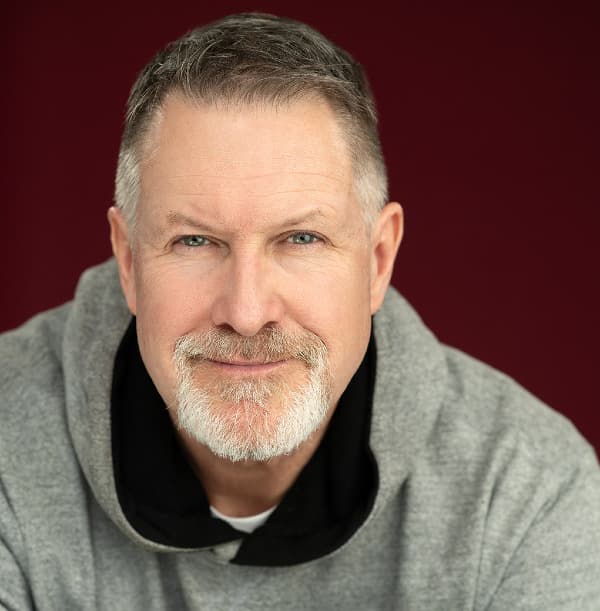
Todd has worked many of top Global Brands, including Coca-Cola, L'Oreal Paris, Cisco, Renewal by Anderson, Coast Appliances, Clam Outdoors, UNC Healthcare, Benny and Company, Shoeless Joe's and many, many more. Todd has agency representation in both Vancouver and Montreal and is also available for Non-Union projects. Todd loves what he does and he is always ready and willing to help his clients get exactly what they want and need. Todd records from his Broadcast quality Studio in Victoria, Canada with only the highest quality equipment and can usually provide Broadcast quality recordings in 24 hours.
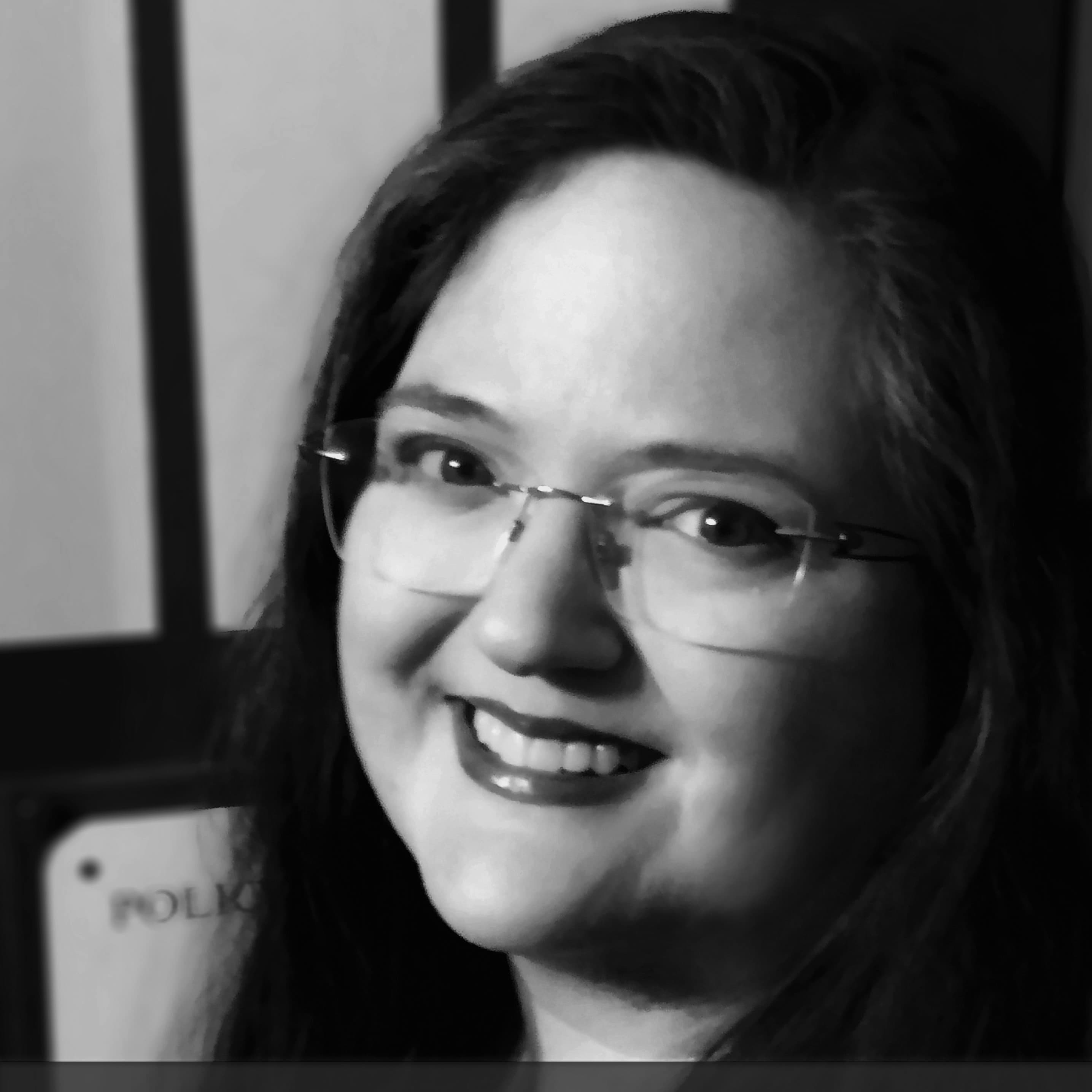
With a BA in Radio/TV/Film and eight years as an audio/video editor and production manager, I’ve lived on both sides of the recording booth—which means I know exactly what you need before you ask for it. Tight deadline? Accent-heavy script? Last-minute copy changes? I’ve been there, and I’ve got you. My performance background spans theatre training and a childhood spent recording Star Wars, Archie and Marvel comics into a tape deck (yes, really. I was six and completely obsessed). These days, I bring that same enthusiasm to everything from conversational commercial reads to character-heavy narration to professional corporate work. What you get: ∙ Authentic regional accents (French, Russian, German, UK regional variations, US Southern dialects, and many more) and a great ear for mimicry ∙ Theatre-trained performance with production-minded efficiency ∙ Professional home studio with fast turnaround ∙ Someone who actually understands what “controlled chaos” means in production I’m a full-time voice actor who genuinely loves this work. Let’s make something great together!

Looking for a polished, professional British voice that instantly lifts your project? You've come to the right place! Most messages fall flat because the delivery lacks clarity, authority or warmth or the audio just isnt good enough. A strong script deserves a voice that makes people listen. I'm a British voice actor with a warm, trustworthy RP accent and 20 years of international broadcast journalism experience. I provide broadcast-quality audio from my professional UK studio, with a streamlined, no-hassle buying process. Perfect for commercials, corporate narration, explainer videos, eLearning, medical narration, brand films and luxury content. Fast turnaround, precise editing and a smooth, reliable workflow every time. Clients including Visa, DHL, Coca-Cola, SharkNinja, Mitchum, VistaJet and more than 2,000 happy customers trust my voice to bring their stories to life. Want your project to sound credible, confident and compelling? Get in touch!
Human Voice Talent Still Wins Where It Counts
AI clones can approximate the sound of a human voice. They cannot replicate the creative decision-making that professional voice actors bring to every session. A skilled voice actor adjusts their read based on context, audience, and emotional intent. They take direction. They improvise. They understand the difference between technically correct delivery and a performance that actually connects with listeners.
Synthetic voices are consistent, and that's precisely their limitation. They deliver the same flattened version of "human-sounding" speech every time. There's no lived experience behind the read, no instinct shaped by thousands of sessions, no ability to hear a note from a director and shift approach in real time.
For brands that care about how they sound to their customers, that difference is substantial. The research reflects growing awareness among consumers and industry professionals about the value of authentic human voices over synthetic alternatives.
What VO Pros Can Do Right Now
Know your contracts. Read the fine print on any recording agreement. Look for language about AI training, voice synthesis, or perpetual usage rights. If it's vague, ask questions before signing.
Advocate for consent standards. Support industry organizations pushing for clear consent frameworks around voice cloning. SAG-AFTRA and other groups have been vocal on this front, and their work matters more as adoption accelerates.
Market what makes you irreplaceable. Your ability to interpret, adjust, and perform is something AI cannot match. Make sure your clients understand the difference. Platforms like RealVOTalent exist specifically to connect brands with professional human voice talent who deliver that level of craft.
Stay informed. Follow developments in AI voice regulation and carrier technology. The voiceover industry's response to these changes will shape working conditions for years to come.
The Bigger Picture
Phone carriers adopting AI voice clones is one more step in a broader shift. Synthetic voices are moving from novelty to infrastructure. Each new adoption normalizes the technology and pushes the conversation about human talent further into the background.
Voice actors have always adapted to new technology, from radio to digital recording to remote sessions. This moment is different in degree, not in kind. The professionals who thrive will be the ones who clearly articulate their value, protect their rights, and continue delivering performances that no algorithm can replicate.
The human voice still carries something a clone never will: the weight of real experience behind every word.

Written by
Trevor O'Hare
Founder, RealVOTalent
Trevor is a professional voice actor who has worked in audio for over two decades and been in the voiceover industry since 2019, completing thousands of projects for Fortune 500 companies and small businesses alike. He also coaches voice talent at VOTrainer.com.
Get voiceover industry tips & insights
Join our newsletter. No spam, unsubscribe anytime.


