Voiceover Talent for Documentaries: Finding the Trusted Authority
The wrong narrator can sink a documentary. Learn how to cast voiceover talent who sounds like a trusted authority, not a script reader.

Why Documentaries Live or Die by the Voice Behind Them
Think about the last documentary that stuck with you. Maybe it was about ocean depths, a wrongful conviction, or a forgotten chapter of history. Whatever the subject, the voice telling that story likely played a bigger role in keeping you glued to the screen than you realized. A great documentary voice makes you feel the weight of every fact.
The wrong voice, though, can sink even the most carefully researched film. A tone that feels too slick, too detached, or too artificial breaks the invisible contract between filmmaker and viewer. The audience stops trusting what they're hearing, and once trust is gone, attention follows right behind it.
Finding the right voiceover talent for a documentary means finding someone who sounds like a trusted authority, someone knowledgeable, grounded, and at home in the material.
What Makes a Great Documentary Voice?
Documentary narration sits in a unique space: a real story told to real people who showed up because they care about the subject. That changes everything about what "good" sounds like.
Authority Without Arrogance
The best documentary voices carry a quiet confidence. They sound like someone who has spent years thinking about this topic and arrived at their perspective through genuine curiosity. Think of how David Attenborough discusses wildlife. He sounds like he's sharing something he finds remarkable, inviting you into his fascination. That blend of knowledge and warmth is the gold standard for documentary narration.
Emotional Range Without Melodrama
A documentary about war crimes and a documentary about migrating butterflies need very different emotional registers. But in both cases, the narrator's emotions should feel earned and restrained. Overdoing it signals to the audience that they're being manipulated rather than informed. The right voice actor knows how to let the material do the heavy lifting while providing just enough emotional texture to keep the story human.
The Trust Factor: Why Human Voices Still Matter
AI-generated voices have become more accessible, and some producers have considered using them for narration to save on budget. But documentaries are built on a foundation of credibility. Viewers are being asked to accept the film's version of events, often on complex or controversial subjects. The voice delivering those claims needs to feel authentic.
A synthetic voice, no matter how polished, introduces a layer of artificiality that works against the genre's core promise: truth. Audiences can often sense when something feels "off" about a voice, even if they can't pinpoint why. That subtle unease erodes the trust a documentary depends on.
Human voice talent brings something no algorithm can replicate: lived experience. A narrator who has raised children reads a script about parenthood differently than one who hasn't. A voice actor who grew up in the American South brings genuine texture to a film about that region. These micro-details of authenticity accumulate throughout a film and shape how deeply the audience connects with the story.
How to Audition Voiceover Talent for Your Documentary
Casting a documentary narrator is different from casting for commercials or e-learning. The goal is finding the most appropriate voice for your project.
Start With a Script Sample, Not a Demo Reel
Demo reels show you what a voice actor can do across many styles. That's useful for general casting, but for documentaries, you need to hear how they handle your specific material. Pull a 60-to-90-second section from your actual script and ask candidates to record a cold read or a lightly prepared take. You'll learn far more from hearing them sit inside your story than from a polished highlight reel.
Need a commercial voice for your next project?
RealVOTalent is a marketplace of verified human voice actors. Play demos, compare rates, and hire in minutes.
Featured Commercial Talent
View all →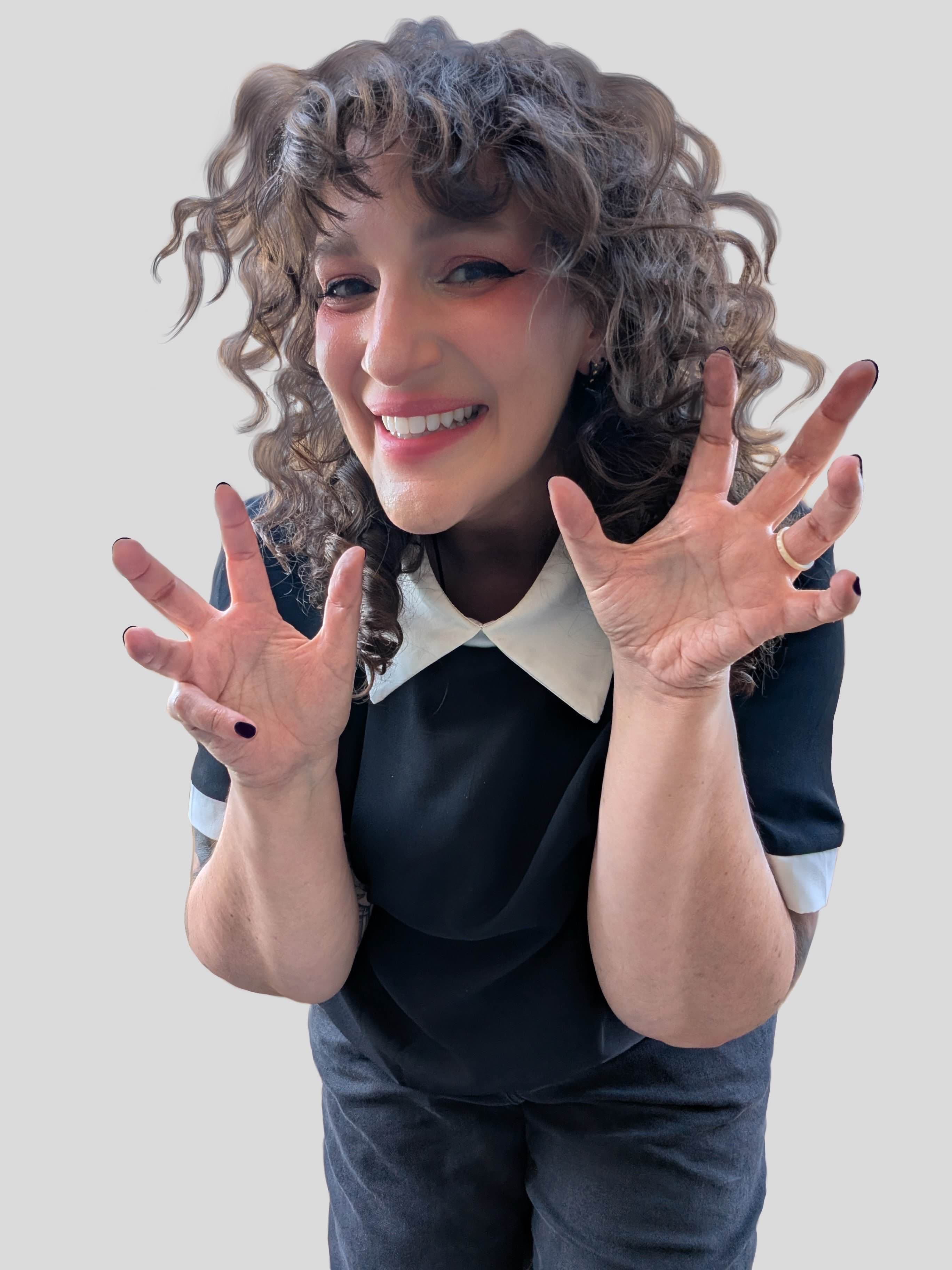
Sara is a full time American voice actor who brings energy, charisma, and playfulness to each performance. With a strong foundation in creative storytelling and clear communication, she shines in character-driven work, where she can explore bold choices, distinct personalities, and expressive range. That same sense of play also informs her commercial and narration reads, giving them a fresh, authentic feel. Her voice carries a cool, charismatic blend of Cameron Diaz and Drew Barrymore, with hints of Miley Cyrus edge and Aubrey Plaza charm. Naturally playful and emotionally agile, Sara’s sound is engaging and adaptable. Known for her collaborative, low-stress sessions and taking direction like a beast, she makes the process smooth, fun, and creatively rewarding. Performing in a custom-built, professionally sound-treated studio, Sara delivers broadcast-quality audio with quick delivery. Accent work includes general American, American (south), British RP, French, Italian, and German. Based in Central Florida with her partner and dog, Sara spends her free time playing and streaming video games, painting, and spending as much time in a hammock as possible.

Looking for a polished, professional British voice that instantly lifts your project? You've come to the right place! Most messages fall flat because the delivery lacks clarity, authority or warmth or the audio just isnt good enough. A strong script deserves a voice that makes people listen. I'm a British voice actor with a warm, trustworthy RP accent and 20 years of international broadcast journalism experience. I provide broadcast-quality audio from my professional UK studio, with a streamlined, no-hassle buying process. Perfect for commercials, corporate narration, explainer videos, eLearning, medical narration, brand films and luxury content. Fast turnaround, precise editing and a smooth, reliable workflow every time. Clients including Visa, DHL, Coca-Cola, SharkNinja, Mitchum, VistaJet and more than 2,000 happy customers trust my voice to bring their stories to life. Want your project to sound credible, confident and compelling? Get in touch!
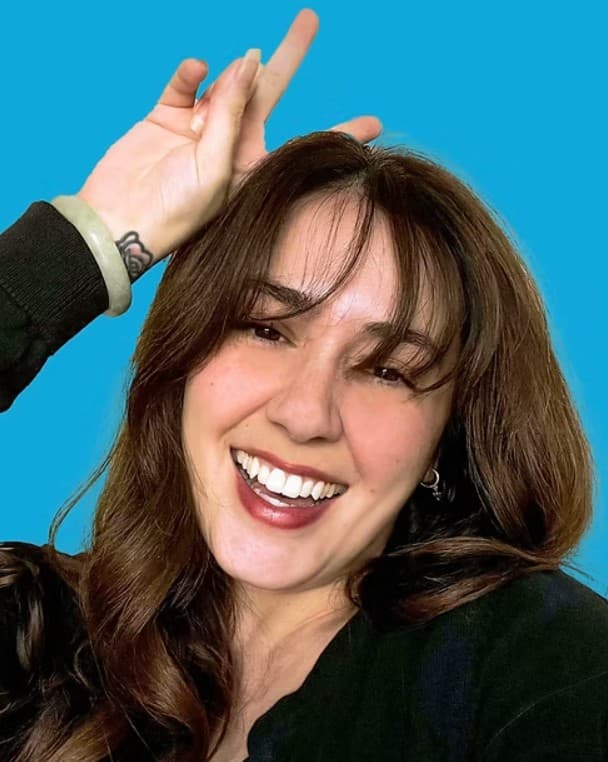
With experience in commercial, and character work, Hannah is easy to direct, quick to adjust, and eager to bring strong performance and intention to every script. Hannah comes from an on-camera background, is comfortable working in live-directed sessions and available via Source-Connect.
Listen for Pacing and Breath
Documentary narration often needs to sit alongside visuals, music, and ambient sound. A narrator who rushes through sentences or pauses in unnatural places will fight against your edit rather than support it. Pay attention to how candidates handle pauses, whether they breathe naturally and let sentences land before moving on. Good pacing in documentary work comes down to rhythm.
Test for Versatility Within a Narrow Range
You don't need a voice actor who can do ten different characters. You need one who can shift between informational, reflective, and emotionally charged passages without sounding like a different person each time. Ask candidates to read a factual passage, then a more personal or emotional one. The transition should feel natural.
Matching Voice to Subject Matter
Not every documentary calls for the same vocal profile. The voice should feel like it belongs in the world the film is exploring.
- Nature and science documentaries often benefit from voices that convey wonder and curiosity. A sense of genuine fascination helps the audience see familiar subjects through fresh eyes.
- Historical documentaries call for gravitas and steadiness. The voice needs to carry the weight of real events without tipping into dramatization.
- Social issue documentaries require empathy and restraint. The narrator should sound like someone who cares deeply but respects the audience enough to let them form their own conclusions.
- True crime documentaries demand a voice that can maintain tension while staying grounded. Too much vocal drama and the narration starts to feel exploitative.
The best casting decisions often come from asking a simple question: if this documentary were a conversation, who would you want to be the one telling you about it?
Working With Your Narrator for the Best Result
Once you've found the right voice, the collaboration is just beginning. Documentary narration is rarely a one-take process, and how you direct your talent shapes the final product as much as who you cast.
Provide Context, Not Just a Script
Share a rough cut or selected scenes with your narrator before the recording session. When voice talent understands the visual and emotional arc of the film, their reads become more intentional. A line about a family losing their home hits differently when the narrator has seen the footage of that family.
Record More Than You Think You Need
Ask for multiple takes with different emotional shadings. A line that feels right during recording might not sit well against the final edit. Having options gives you flexibility in post-production without the cost and scheduling headache of a second session.
Give Room for the Narrator's Instincts
Experienced documentary narrators often have strong instincts about pacing, emphasis, and tone. If a narrator suggests a different read on a line, record their version alongside yours. Some of the most powerful moments in documentary narration come from a voice actor's instinctive response to the material.
Finding Your Documentary Voice
The right narrator transforms a documentary from an information delivery system into an experience. They make the audience lean in, trust the story, and remember it long after the credits roll. That kind of impact comes from authenticity, skill, and the kind of human connection that only a real person can provide.
If you're producing a documentary and need voiceover talent who can bring genuine authority and emotional depth to your project, RealVOTalent connects you with experienced, professional human voice actors. Browse real voices from real people at RealVOTalent.com and find the narrator your story deserves.

Written by
Trevor O'Hare
Founder, RealVOTalent
Trevor is a professional voice actor who has worked in audio for over two decades and been in the voiceover industry since 2019, completing thousands of projects for Fortune 500 companies and small businesses alike. He also coaches voice talent at VOTrainer.com.
Get voiceover industry tips & insights
Join our newsletter. No spam, unsubscribe anytime.


