
Voiceover for Immersive Experiences: VR, AR, and Interactive Media
VR and AR are transforming how voice acting works. Here's what creators need to know about casting for immersive media.
Why Immersive Media Demands a Different Kind of Voice
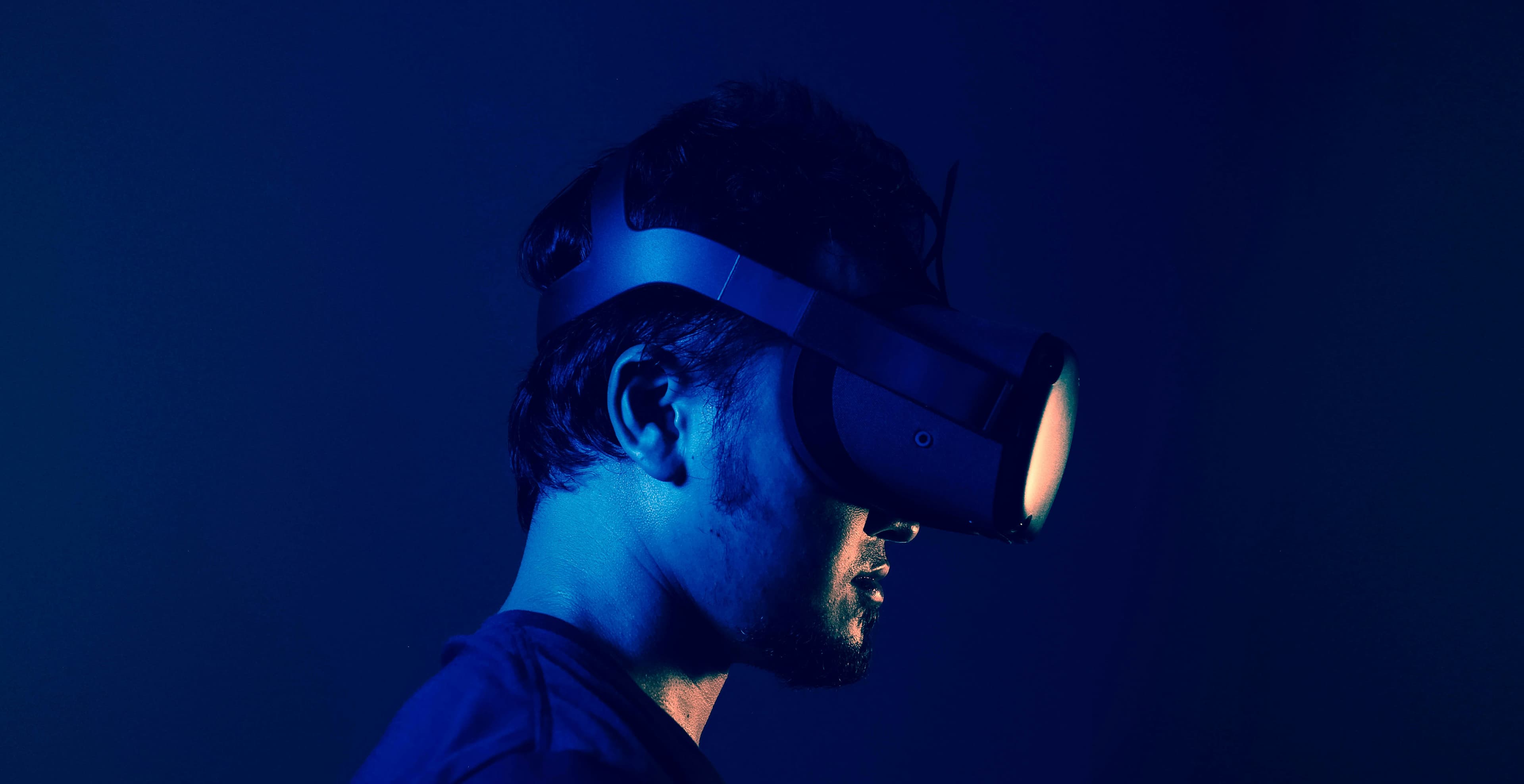
Step into a virtual forest, and the narrator's voice seems to drift from somewhere behind the trees. Turn your head in an augmented reality museum tour, and a guide whispers details about the artifact you're now facing. This voiceover is spatial, reactive, and deeply personal. As VR headsets, AR glasses, and interactive installations reshape how audiences consume stories, the voice acting powering these experiences has to evolve right alongside them.
Voiceover for immersive media requires more than reading a script into a microphone. It requires performers who understand dimensionality, branching dialogue, and the uncanny intimacy of a voice that exists inside a listener's perceived space. For creators building these next-generation projects, casting the right voice talent determines whether an experience captivates or breaks the illusion.
How VR and AR Change the Rules of Voice Acting
In a traditional video or commercial, the audience sits at a fixed distance from the screen. The voiceover occupies a predictable place in the mix. In virtual and augmented reality, that certainty disappears. The listener can move, look around, and interact with the environment, which means the voice must respond to shifting spatial relationships in real time.
This introduces several technical and creative challenges that voice actors must navigate:
Dialogue may be spatialized using 3D audio engines, so performances need consistent tone and energy across dozens of short, modular recordings rather than one continuous read.
AR experiences often layer voice over unpredictable real-world environments — a park, a living room, a busy street — requiring clarity and presence that cuts through ambient noise without sounding forced.
VR narrative pacing is user-driven, not editor-driven. A voice actor can't rely on the momentum of a pre-cut sequence to carry emotion.
The performers who thrive in immersive voiceover tend to be those comfortable with ambiguity, talent who can deliver a line that works whether the user triggers it ten seconds into an experience or ten minutes in.
Branching Dialogue and the Art of Modular Performance
Interactive media rarely follows a single path. Games, VR training simulations, and AR storytelling apps use branching narratives where user choices determine which lines play and in what order. A voice actor might record hundreds of individual clips for a single character, each one needing to feel emotionally consistent yet contextually flexible.
Keeping Character Integrity Across Fragments
The biggest pitfall in modular recording sessions is tonal drift. Line 47 was recorded at 9 AM after coffee. Line 203 was recorded at 4 PM after three hours of pickups. If the energy, pacing, or vocal quality shifts between those takes, the player will notice, even subconsciously. Experienced immersive voice talent develop techniques to lock into a character's baseline and return to it reliably across long sessions.
Writing and Directing for Interactivity
Creators can support their voice talent by providing context documents that map out where each line might appear in the experience. Rather than handing over a flat spreadsheet of dialogue, effective directors share emotional arc notes — brief annotations explaining the user state that triggers each line. This collaborative approach between writer, director, and performer produces results that feel organic no matter which path the user takes.
Need a commercial voice for your next project?
RealVOTalent is a marketplace of verified human voice actors. Play demos, compare rates, and hire in minutes.
Featured Commercial Talent
View all →
A vibrant, velvety and evocative voice... with a multitude of characters and accents! I am a British voice over artist who is passionate about providing high quality, perfectly articulated recordings. My voice is extremely versatile, I deliver smooth, engaging narration with a touch of gravitas and also bring a light, conversational and friendly feel to much of my work along with plethora of character voices and accents. With clients around the globe I guarantee efficiency, excellent turnaround times, high quality recording and editing. I trained as an actor at The Bristol Old Vic Theatre school and went on to work in Television, Radio, Theatre and Film for several years. These days I work from my home studio in Sussex as a Voice Over Artist/Actor. I am experienced in Narration, Documentary's, Commercials, Promo, E-learning, Explainers, IVR,Corporate and Character/Audio drama. Purpose built broadcast quality vocal booth, Neumann 103 TLM mic, Scarlett 2i2, Interface and Adobe Audition

An American male voice talent based in the Nashville, Tennessee area -- not only is he a trained voice over talent, but he also has a wealth of real-world experience to add authenticity, from University teaching to military leadership. His home recording studio allows him to provide high quality audio with a quick turnaround for time-sensitive projects. Understanding that successful working relationships are just that-- relationships-- he is dedicated to providing clients with clear and constant communication, reliability, and above all else, providing the voice that makes your project stand out.

With experience in commercial, and character work, Hannah is easy to direct, quick to adjust, and eager to bring strong performance and intention to every script. Hannah comes from an on-camera background, is comfortable working in live-directed sessions and available via Source-Connect.
Spatial Audio: Performing for Three Dimensions
Spatial audio is the backbone of convincing VR and AR voiceover. When a character stands to the user's left, the voice should arrive from the left. When that character walks away, the voice should lose presence and gain room reflections. This technology is handled by the audio engine, but the raw vocal performance still needs to support it.
Voice actors working in spatial audio benefit from understanding a few key principles:
Record clean, dry audio with minimal room tone. Reverb and spatial effects will be added programmatically, so baked-in room sound creates problems.
Maintain steady mic distance and positioning. Subtle shifts that go unnoticed in a flat mix become glaring when processed through a binaural renderer.
Modulate perceived distance through performance, not just volume. A whispered aside feels close. A projected call feels far. These acting choices help the spatial engine sell the illusion.
Studios building immersive experiences should look for voice talent with home recording setups that meet these technical standards, or who have access to treated studio environments that produce consistently clean captures.
Real-World Applications Beyond Gaming
While gaming dominates the conversation around immersive voiceover, some of the most compelling use cases sit outside entertainment entirely.
Corporate Training and Simulation
Companies are adopting VR for safety training, onboarding, and soft-skills development. A manufacturing firm might build a VR scenario where a narrator guides new employees through equipment procedures, with branching responses based on user decisions. The voice in these simulations needs authority and warmth, someone the trainee trusts but doesn't tune out after the fifteenth repetition.
Museums, Tourism, and Cultural Heritage
AR-powered museum guides and walking tours are replacing static audio guides in cultural institutions worldwide. These experiences demand voices that match the tone of the subject matter — reverent for a memorial site, playful for a children's science exhibit, scholarly yet accessible for a historical landmark. The voice becomes the visitor's companion, and that relationship hinges on casting.
Healthcare and Therapeutic VR
Guided meditation apps, exposure therapy programs, and pain management VR tools rely heavily on voice to create safe, calming environments. The vocal qualities required here (steadiness, warmth, measured pacing) are specialized skills that not every voice actor possesses. Casting directors for therapeutic VR often prioritize how a voice makes you feel over how polished or commercial it sounds.
Casting Voice Talent for Your Immersive Project
Finding the right voice for a VR, AR, or interactive project requires looking beyond traditional demo reels. A performer might have a stunning commercial reel but struggle with the fragmented, non-linear recording style that immersive media demands. Here's what to prioritize when casting:
Adaptability: Can the talent shift between emotional registers quickly and lock back into a consistent baseline?
Technical setup: Does their recording environment produce the clean, dry audio that spatial processing requires?
Collaboration: Are they comfortable receiving context-heavy direction and asking smart questions about user interaction flow?
Stamina: Modular recording sessions can be long and repetitive. You want someone who stays sharp through take 200.
Working with real human voice talent, rather than synthetic alternatives, matters more in immersive media than almost any other format. When a voice exists inside someone's perceived reality, every micro-expression, breath, and tonal shift registers at a heightened level. AI-generated voices, no matter how technically smooth, lack the subtle imperfections that make a virtual presence feel alive.
If you're building a VR experience, AR application, or interactive installation that depends on voice, browse the roster at RealVOTalent.com to connect with professional human voice actors who understand the unique demands of immersive media. The right voice will make users forget they're wearing a headset at all.

Written by
Trevor O'Hare
Founder, RealVOTalent
Trevor is a professional voice actor who has worked in audio for over two decades and been in the voiceover industry since 2019, completing thousands of projects for Fortune 500 companies and small businesses alike. He also coaches voice talent at VOTrainer.com.
Get voiceover industry tips & insights
Join our newsletter. No spam, unsubscribe anytime.


