
Voice Acting for Animation: Different Skills Required for Character Voices
From SpongeBob to the Joker — the 5 specialized skills that separate animation voice actors from every other type of voice talent.
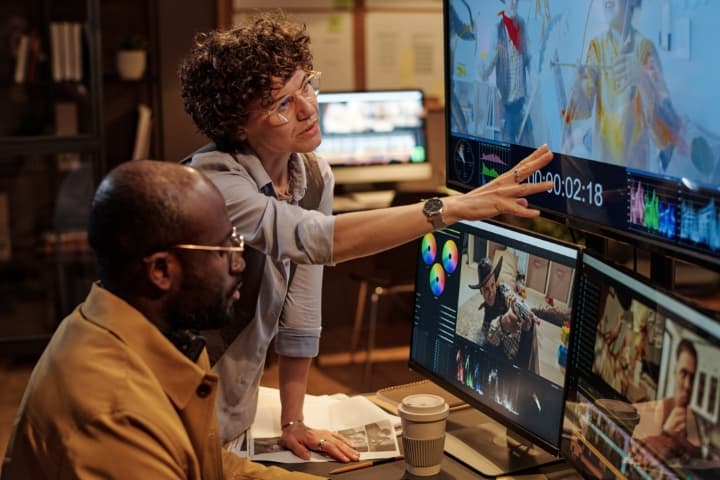
What Makes Animation Voice Acting So Different?
When Tom Kenny first stepped into the recording booth to voice SpongeBob SquarePants, he did more than just read lines off a page. He contorted his body, waved his arms, and physically became a hyperactive sea sponge, all while standing alone in a soundproof room. That's the paradox of voice acting for animation: you must deliver a full-body performance that audiences will only ever hear.
Unlike commercial voiceover or narration work, animation demands that voice actors build entire characters from scratch using nothing but their vocal cords, breath control, and imagination. It's a specialized craft, and the skills required go far beyond having a "good voice."
Character Voice Development: Building a Person from Sound
The foundation of animation voice acting is character voice development: the ability to create a distinct, repeatable vocal identity for a fictional character. This means making deliberate choices about pitch, pacing, accent, vocal texture, and speech patterns that reflect who the character is.
Consider how different Bart Simpson sounds from Homer. Nancy Cartwright and Dan Castellaneta don't just change their pitch. Bart's voice carries restless energy and adolescent defiance in every syllable, while Homer's voice lumbers with lovable obliviousness. Each voice tells you something about the character before you even process the words.
Practical Tips for Developing Character Voices
Start with the character's personality, not the voice. Ask: are they confident or nervous? Old or young? Educated or street-smart?
Experiment with where the voice "lives" in your body: the chest, throat, nasal cavity, or head voice each produce radically different results.
Record yourself and listen back critically. A voice that feels dramatic in the booth can sound cartoonish (or flat) on playback.
Build a character bible noting specific vocal choices so you can reproduce the voice consistently across sessions that may span months or years.
Physicality Behind the Microphone
Here's something most people outside the industry don't realize: the best animation voice actors are intensely physical performers. They gesture, crouch, jump, and grimace while recording because physical movement directly shapes vocal output. A punch sounds more convincing when you actually throw your fist. A whisper carries more tension when you physically curl inward.
This is why many animation voice actors come from theater or improv backgrounds rather than traditional voiceover. They understand that emotion lives in the body first and travels to the voice second.
Stamina and Vocal Health
Animation sessions are grueling. Voice actors often record for hours, cycling through dozens of emotional states; screaming in one take, whispering in the next, then shifting to rapid-fire comedic delivery. Professional animation voice actors invest in vocal warm-ups, hydration routines, and recovery techniques the same way athletes care for their bodies. Without this discipline, a career in character voice work can be surprisingly short.
Need a commercial voice for your next project?
RealVOTalent is a marketplace of verified human voice actors. Play demos, compare rates, and hire in minutes.
Featured Commercial Talent
View all →
Nettie R.🌹the Voice of the Rose 🌹- Voice Actor - Vocal Coach - Singer with 25 + years of experience and a Custom ISO Booth and Studio between Chicago and Milwaukee. I am sophisticated, poised, caring, down to earth, and lovingly lovable... graceful with grit and strength! Petal by Petal, my voice is layered with warmth, clarity, authority, and authentic versatility - truly designed for commercials, corporate narrations, e-learning, audiobooks, meditations, and character voices for anime and video games... etc. Whether you need soothing, conversational ;) energetic, bold, or even a celeb-style like Anne Hathaway, Charlize Theron, and Idina Menzel - from creative to corporate - rooted in artistry, precision, and heart... I bring emotion, drive, storytelling, and nuance to every word. I can help but love it! With a deep background in music and vocal coaching, I specialize in vocal intricacies - from a childlike tone of wonder to a grounded wise elderly mentor and so much in between. There are moments of pure fulfillment in each and every one! Clients and students trust me not just for my voice and abilities, but the heartfelt care and tailored attention I freely give. I also mentor emerging voice talents Nationwide and Internationally. Multilingual & Culturally Fluent: English - US General and Midwest Accent. Middle Eastern and General British Accents as well. Fluent in Arabic, with accurate pronunciation in over a dozen languages. Yours in Success... Nettie R.🌹
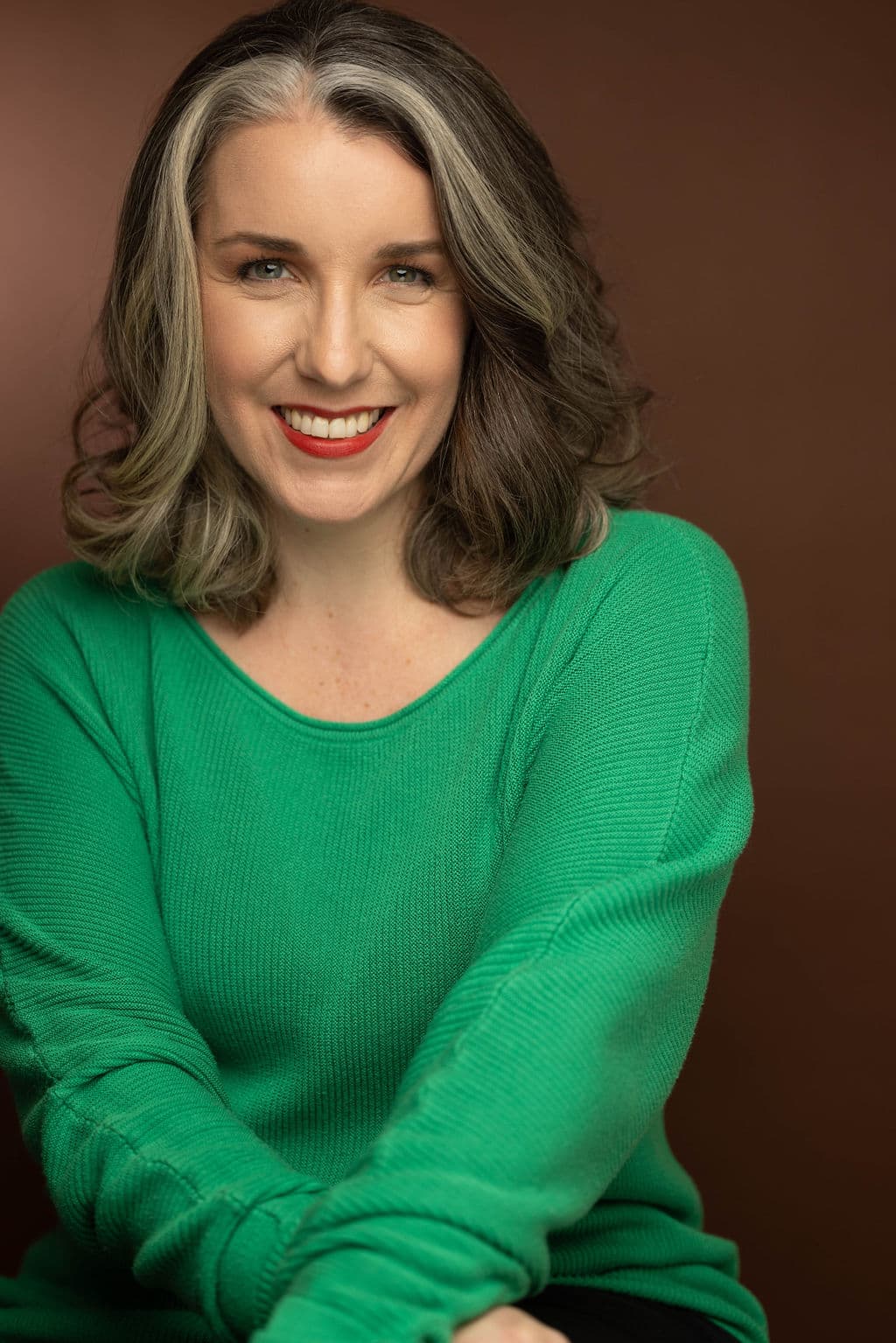
Lauren is a prolific, full time voice talent serving a global clientele from her New York studio. She has leant her voice to thousands of projects across all niches and genres. Trusted by top brands such as Pinterest, Microsoft, Kohl’s, Nokia, Toyota and Chipotle, as well as hundreds of small businesses and starts ups, her voice has been described as warm, friendly, positive, professional, mature, encouraging, engaging, “effortlessly amazing”, “legendary”, “next level”, “perfection” and “the bomb dot com”. Clients consistently rave about her fast, friendly service, top quality audio and compelling reads that hit the mark on the first take. Lauren’s love for bringing messages to life behind the mic is matched only by her passion for performing live. She is a critically acclaimed actor & singer with over 20 years of professional training and experience performing on premier stages across North America. She is also a seasoned teacher, director, choreographer and coach as well as a proud wife and mama of twins.

David is a professional voice actor known for a smooth, grounded delivery that helps brands discover their voice and captivate audiences. His sound is warm, intelligent, and controlled, with the range to move from approachable and reassuring to authoritative and commanding. Before voiceover, David spent over a decade as an operating partner in the service industry, where he trained teams, led from the front, and learned how real people respond to tone, clarity, and intent. With a background in theater, public speaking, psychology, and etymology, he brings both performance skill and analytical precision to every script. David works across commercial, corporate narration, e-learning, promos, trailers, IVR, explainer content, podcasts, and audiobooks. Just some of his many clients include UFC, Grammarly, Peugeot, DC Comics, Jägermeister, KFC, Shell and many others. He records from a broadcast-quality studio and is known for consistency, direction-friendly reads, and a collaborative approach that serves your project. "My job is to make your job as easy as possible, so you look like a rockstar, and your boss and clients love you."
Emotional Range Without a Face to Hide Behind
On-screen actors rely on facial expressions, body language, and eye contact to convey emotion. Animation voice actors have none of these tools available to them. Every ounce of fear, joy, heartbreak, or fury must land through sound alone.
This requires an exaggerated emotional range that would look absurd in live-action work but sounds perfectly natural when paired with animated visuals. Voice actors learn to push their emotional delivery 20 to 30 percent beyond what feels realistic, because animation compresses and stylizes everything.
Think about the emotional depth Mark Hamill brings to the Joker in Batman: The Animated Series. His laugh alone conveys menace, glee, and instability simultaneously, and it's a masterclass in vocal emotion that no amount of visual effects could replicate.
Playing Multiple Characters in a Single Session
Budget realities in animation mean that voice actors frequently play multiple characters within the same project. A single performer might voice the hero, two supporting characters, and a handful of background extras, sometimes in the same recording session.
This demands rapid vocal versatility and the ability to switch between characters instantly without blending them together. Each character must remain distinct and recognizable, even when the actor is toggling between them every few minutes.
Skills That Support Versatility
Accent and dialect proficiency. Not mimicry, but authentic-sounding speech patterns across cultures and regions.
Age range flexibility, from convincing children's voices to elderly characters and everything between.
Genre adaptability, shifting tone between comedy, drama, action, and horror as projects demand.
Improvisational ability, since directors frequently ask voice actors to ad-lib alternate takes or invent new line readings on the spot.
Technical Skills Unique to Animation Recording
Animation voice acting also involves technical demands that differ from other voiceover work. Actors must master lip-sync timing when dubbing over pre-animated sequences, matching their delivery precisely to mouth movements that were drawn before the dialogue was recorded.
In pre-lay recording, where voice work happens before animation, actors face the opposite challenge. They must deliver performances compelling enough to inspire animators, without any visual reference to react to. Both scenarios require a deep understanding of timing, pacing, and rhythm that goes beyond natural speech patterns.
Working with Directors Remotely
Modern animation voice recording increasingly happens in home studios or remote sessions. Voice actors need to take direction through headphones, adjust performances in real time, and maintain the energy of a collaborative session without anyone else in the room. Self-direction skills have become essential as remote recording has become standard practice across the industry.
Finding the Right Voice for Your Animation Project
Whether you're producing an animated series, a video game, an animated explainer, or a cartoon short, casting the right voice talent can make or break your project. The skills outlined above, such as character development, physical performance, emotional range, versatility, and technical proficiency, separate experienced animation voice actors from general voiceover performers.
The difference is immediately audible. A skilled character voice actor will actually inhabit your character and bring dimensions to the role you hadn't imagined.
At RealVOTalent.com, you can connect directly with experienced, human voice actors who specialize in animation and character work. Browse talent profiles, listen to demos, and find the voice that brings your characters to life. No AI-generated voices, just real performers with real craft. Start your search today and hear the difference that professional character voice acting makes.

Written by
Trevor O'Hare
Founder, RealVOTalent
Trevor is a professional voice actor who has worked in audio for over two decades and been in the voiceover industry since 2019, completing thousands of projects for Fortune 500 companies and small businesses alike. He also coaches voice talent at VOTrainer.com.
Get voiceover industry tips & insights
Join our newsletter. No spam, unsubscribe anytime.


