The Legal Risks of Using Synthetic Voices for Commercial Projects
AI voices in your ads could trigger lawsuits, FTC action, and right-of-publicity claims. Here's what every brand needs to know before hitting publish.

A Voice That Sounds Real Can Still Get You Sued
Imagine this: a startup runs a national ad campaign using an AI-generated voice. The spot sounds polished, professional, and vaguely familiar. Within weeks, a cease-and-desist letter arrives from an attorney claiming the synthetic voice is too close to a recognizable performer's likeness. Suddenly, that "cost-effective" AI voice is anything but cheap.
This scenario is no longer hypothetical. As synthetic voice technology becomes more accessible, businesses using it for commercial projects face a growing web of legal exposure. From right-of-publicity claims to FTC enforcement actions, the risks are real and escalating quickly.
Right of Publicity: You Can Clone a Voice, But You Can't Own It
Right-of-publicity laws protect individuals from unauthorized commercial use of their identity, and that includes their voice. These laws vary by state, but the core principle is consistent: using someone's vocal likeness to sell a product without their consent can trigger significant legal liability.
The most high-profile example came in 2024, when actress Scarlett Johansson publicly accused OpenAI of creating a ChatGPT voice assistant that sounded strikingly similar to her own voice. Johansson stated she had explicitly declined OpenAI's request to use her voice, yet the company released a voice called "Sky" that many listeners found unmistakably close to hers. OpenAI paused the voice amid the backlash.
This wasn't the first time a company learned this lesson the hard way. Voice actress Bev Standing filed suit against TikTok's parent company ByteDance after discovering the platform's text-to-speech feature was built using recordings of her voice, reportedly without her knowledge or consent.
Why This Matters for Your Business
If your synthetic voice was trained on real voice data, and most of them are, the person behind that data may have legal standing to come after you. Even if you didn't build the AI model, using its output commercially could still put you in the crosshairs.
State Laws Are Moving Fast
Legislators across the country have started closing the gaps that synthetic voice technology exploits. Tennessee's ELVIS Act, signed into law in 2024, was the first state law to explicitly protect individuals against unauthorized AI cloning of their voice. The law applies to both famous and non-famous individuals and carries penalties for commercial misuse.
Tennessee wasn't alone. Several other states have introduced or passed similar legislation:
New York expanded its right-of-publicity protections to cover digital replicas, including voice.
California introduced legislation addressing AI-generated performances and voice cloning.
The proposed federal NO FAKES Act aims to create a nationwide standard for protecting voice and likeness from unauthorized AI replication.
The legal environment is shifting toward stronger protections for voice performers. A business that relies on synthetic voices today could find itself in violation of laws that didn't exist when the project launched.
FTC Enforcement and Consumer Deception
Beyond right-of-publicity claims, businesses face regulatory risk from the Federal Trade Commission. The FTC has made clear that using AI-generated voices to mislead consumers, whether by impersonating a real person or by disguising the synthetic nature of the voice, can constitute a deceptive trade practice.
In 2024, the FTC proposed extending its Impersonation Rule to cover AI impersonation of individuals and indicated enforcement interest in AI-driven deceptive practices. The agency has made clear it intends to pursue enforcement against AI-enabled impersonation fraud, including voice cloning used in robocalls and scams, and has cautioned that undisclosed use of AI-generated voices in customer-facing communications could raise deception concerns under Section 5 of the FTC Act.
Need a commercial voice for your next project?
RealVOTalent is a marketplace of verified human voice actors. Play demos, compare rates, and hire in minutes.
Featured Commercial Talent
View all →
Nettie R.🌹the Voice of the Rose 🌹- Voice Actor - Vocal Coach - Singer with 25 + years of experience and a Custom ISO Booth and Studio between Chicago and Milwaukee. I am sophisticated, poised, caring, down to earth, and lovingly lovable... graceful with grit and strength! Petal by Petal, my voice is layered with warmth, clarity, authority, and authentic versatility - truly designed for commercials, corporate narrations, e-learning, audiobooks, meditations, and character voices for anime and video games... etc. Whether you need soothing, conversational ;) energetic, bold, or even a celeb-style like Anne Hathaway, Charlize Theron, and Idina Menzel - from creative to corporate - rooted in artistry, precision, and heart... I bring emotion, drive, storytelling, and nuance to every word. I can help but love it! With a deep background in music and vocal coaching, I specialize in vocal intricacies - from a childlike tone of wonder to a grounded wise elderly mentor and so much in between. There are moments of pure fulfillment in each and every one! Clients and students trust me not just for my voice and abilities, but the heartfelt care and tailored attention I freely give. I also mentor emerging voice talents Nationwide and Internationally. Multilingual & Culturally Fluent: English - US General and Midwest Accent. Middle Eastern and General British Accents as well. Fluent in Arabic, with accurate pronunciation in over a dozen languages. Yours in Success... Nettie R.🌹
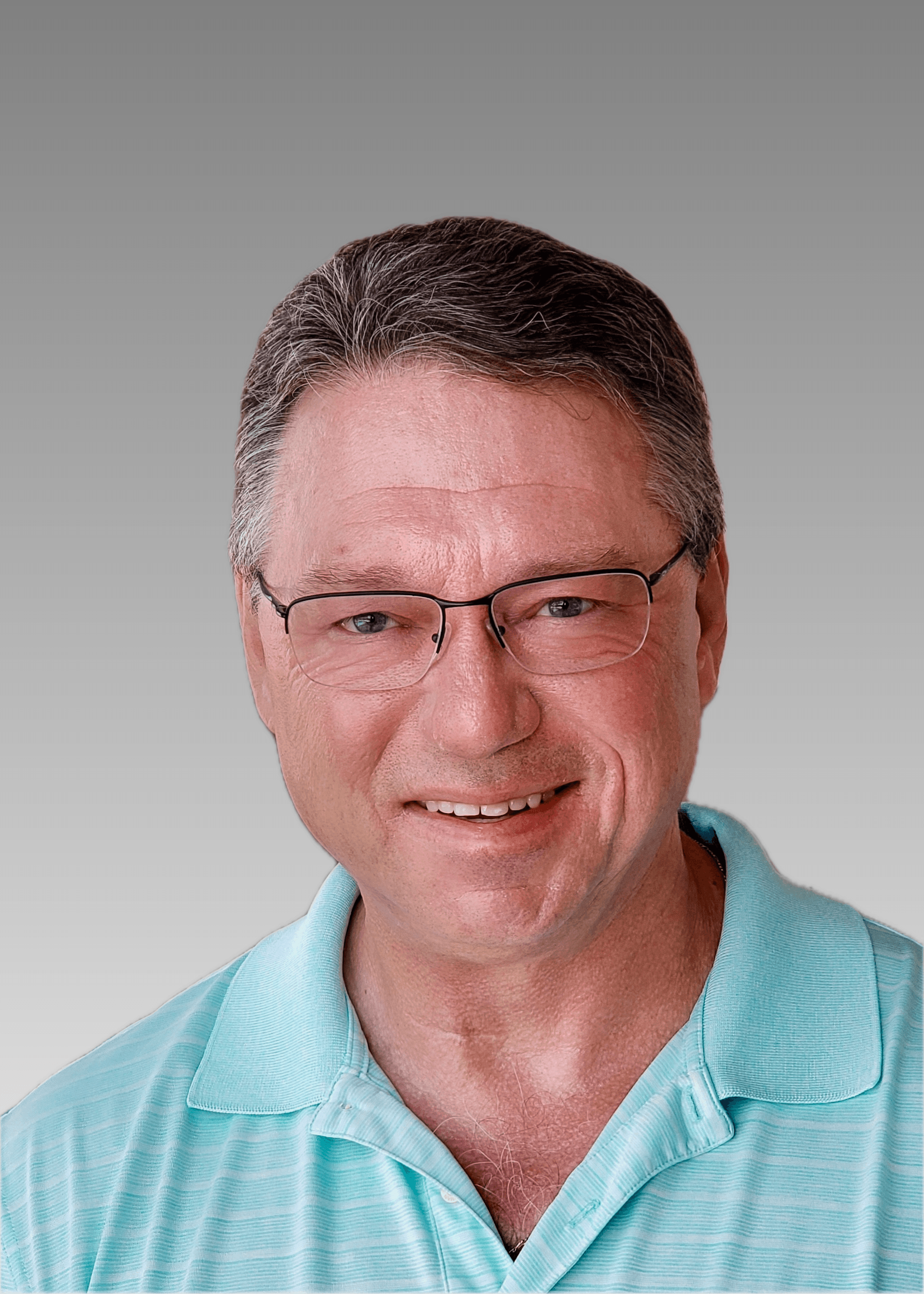
I am a professional voice actor with a deep, warm, and confident sound—ideal for commercial, corporate narration, eLearning, and medical content. My background in communication and education in the medical industry allows me to balance authority with approachability, helping audiences stay engaged while absorbing complex information. Known for a clean, natural delivery and strong script interpretation, I have worked with clients who need a voice that sounds informed, trustworthy, and human. I record in a professionally sound-treated WhisperRoom and quickly deliver broadcast quality audio.

Teresa is a full-time voice actor with a custom, broadcast-ready studio & an award winning stage actor. From performing engaging corporate reads straight to a bff commercial and on to a few wild, off-the wall characters... that's a Tuesday in this studio- you are covered. She has her BA in acting and wrote and directed children's plays/musicals for almost a decade. You'll find a creative collaborator who loves to dig in to copy and play. Believable performances, fast deliveries and dependable communication are what people expect and receive from Teresa. She found a love for voice acting when she connected the dots and realized this was her path to work from home! Added bonus: she has more time for video games (aka: Teresa is an excellent choice for video game characters). Growing up in the Midwest, Teresa has a neutral accent that fits into a wide range of styles. However, if an accent is called for, she's trained with world renowned dialecticians and performed leading roles on stage in British RP and Estuary as well as Irish (Dublin). With a capable ear, volumes upon volumes of resources and her dialectician coach a zoom call away- she's capable of almost any accent performed authentically. Teresa’s voice has been described as authentic, warm, dynamic, authoritative, sincere, trustworthy, energetic, fresh, friendly and relatable.
Disclosure Isn't Optional
Even if your synthetic voice doesn't clone a specific person, failing to disclose that a voice is AI-generated can create problems. As regulatory scrutiny increases, brands that present synthetic voices as human risk consumer trust and potential enforcement action. Transparency is becoming a legal requirement.
Contract and Licensing Pitfalls
Many businesses assume that paying for an AI voice tool means they have full commercial rights to the output. That assumption is often wrong.
The terms of service for most AI voice platforms contain specific limitations on how generated audio can be used. Common restrictions include:
Prohibitions on using generated voices to impersonate real individuals.
Limitations on use in political advertising or regulated industries.
Clauses that disclaim liability if the output infringes on a third party's rights.
Requirements for disclosure that the content is AI-generated.
That last point is critical. If an AI voice platform's terms state that the company is not responsible for infringement claims, the legal risk flows downstream to you, the end user. You're the one running the ad, publishing the explainer video, or broadcasting the podcast intro. You're the one who gets sued.
The Insurance Gap
Standard business insurance policies were written before synthetic media existed. Many general liability and errors-and-omissions policies don't explicitly cover claims arising from AI-generated content. Before committing to synthetic voices for a major campaign, it's worth confirming with your insurer that you're covered.
The SAG-AFTRA Precedent and Talent Protections
The 2023 SAG-AFTRA strike brought AI voice protections to the center of labor negotiations in the entertainment industry. The resulting agreement established that studios cannot use AI to replicate a performer's voice without explicit consent and fair compensation.
While these protections apply directly to union talent in entertainment, they're setting the standard that other industries will follow. The principle is straightforward: a person's voice is their intellectual property, and using a synthetic replica of it without permission is a form of theft.
For businesses outside entertainment, the takeaway is clear. The talent protections negotiated by SAG-AFTRA are influencing proposed legislation and court decisions across sectors. What's acceptable use today may be actionable infringement tomorrow.
The Simplest Way to Eliminate the Risk
Every legal risk described above shares a common root: the synthetic voice's uncertain relationship to real human beings. You face questions about whose voice trained the model, whether they consented, and whether your intended use is authorized. These questions don't have easy answers, and the wrong answer can be expensive.
The simplest way to avoid these questions entirely is to hire a real human voice actor. When you work with a professional, you get a signed contract, clear usage rights, and a performance that no algorithm can match for authenticity and emotional connection.
RealVOTalent connects you with professional voice actors who deliver broadcast-quality performances with full licensing clarity. You avoid legal gray areas, cease-and-desist surprises, and the risk of your campaign being pulled because an AI model was trained on stolen vocal data. Browse talent at RealVOTalent.com and get a voice you can own the rights to.

Written by
Trevor O'Hare
Founder, RealVOTalent
Trevor is a professional voice actor who has worked in audio for over two decades and been in the voiceover industry since 2019, completing thousands of projects for Fortune 500 companies and small businesses alike. He also coaches voice talent at VOTrainer.com.
Get voiceover industry tips & insights
Join our newsletter. No spam, unsubscribe anytime.


