
The Uncanny Valley: Why AI Voices Still Fail Corporate Narration
At times, the promise of artificial intelligence can feel boundless. AI can write code, analyze data, and even generate images with astonishing speed. Its foray into voice has been particularly impressive, with synthetic voices now capable of reading text with remarkable clarity. Yet, for all its advancements, there remains a critical chasm AI cannot truly bridge when it comes to effective communication, especially in the realm of corporate narration. This chasm is known as the Uncanny Valley, and it's precisely why relying on AI voices for your brand's crucial messaging can undermine your efforts.
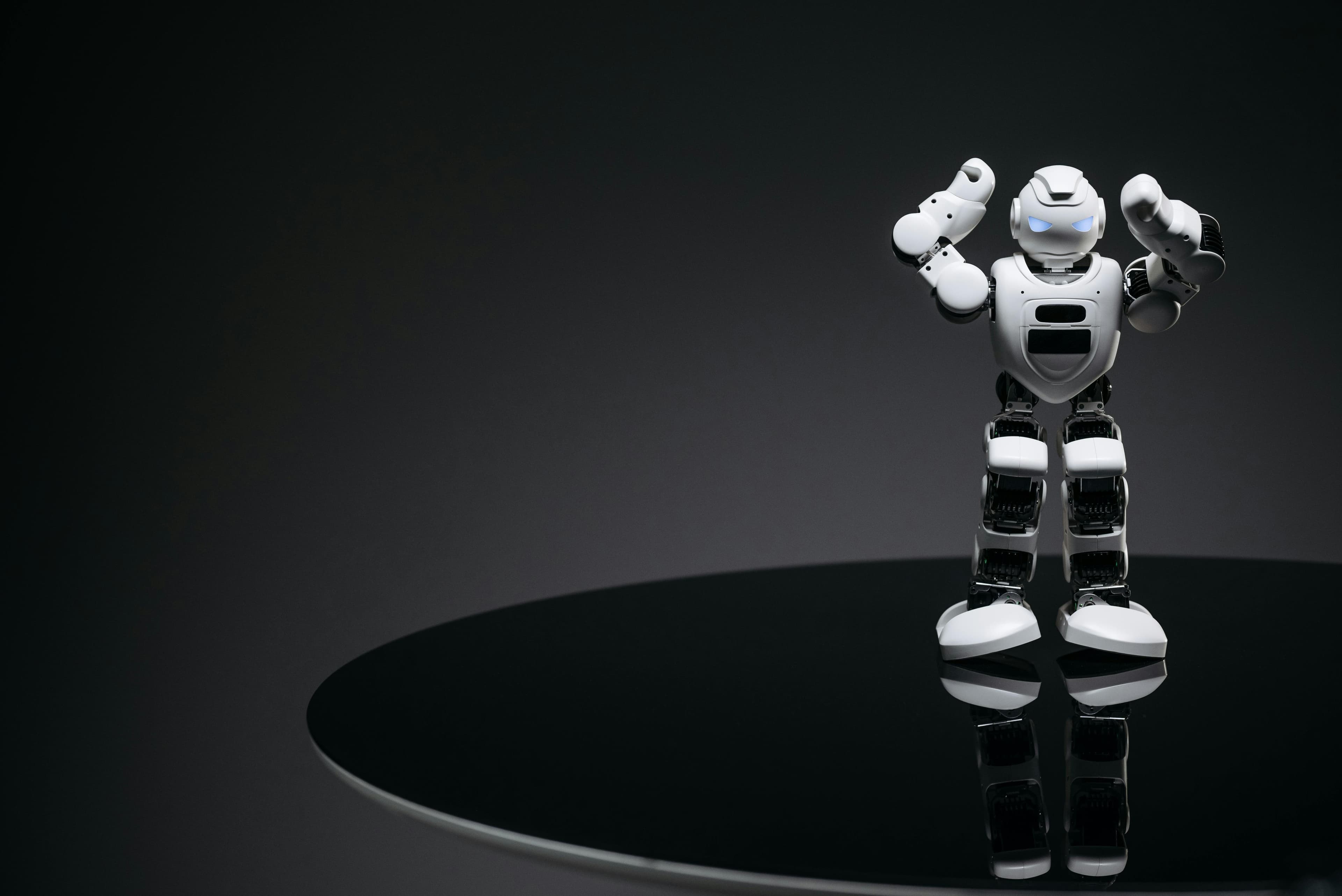
Imagine listening to an important corporate announcement, a training module, or a brand story. You hear the words, they are articulate, grammatically perfect, but something feels... off. There's a subtle stiffness, a lack of genuine warmth, or an unnerving precision that triggers a subconscious sense of unease. This isn't a failure of the technology to produce sound; it's a failure to produce human connection. For businesses seeking to build trust, convey empathy, and maintain credibility, this emotional void is a non-starter.
Understanding the Uncanny Valley in Audio
The concept of the Uncanny Valley originated in robotics and visual aesthetics, describing the eerie feeling we get when something looks almost, but not quite, human. The closer a non-human entity gets to human likeness without fully achieving it, the stronger our discomfort. While less explored, this phenomenon translates powerfully into the auditory realm.
When we hear an AI voice, it can mimic human intonation, rhythm, and even some emotional cues. However, it often lacks the inherent imperfections, the subtle variations in breath, the minute shifts in timbre, and the authentic spontaneity that define a genuine human performance. These aren't flaws in a human voice; they are hallmarks of its authenticity. An AI voice, no matter how sophisticated, can struggle to replicate these nuanced layers, leaving listeners with a sense of artificiality that can be unsettling.
Beyond Perfection: The Appeal of Human Nuance
Consider the difference between a perfectly symmetrical, computer-generated face and a real human face with its unique irregularities. The human face, with its subtle asymmetries and expressive lines, often feels more engaging and trustworthy. The same principle applies to voice. A human voice actor brings an intuitive understanding of the script's underlying meaning, delivering not just words, but intent, context, and a palpable sense of the speaker's personality. This is a level of intuitive interpretation that even the most advanced algorithms struggle to achieve, resulting in a flat, almost robotic delivery that detracts from the message's impact.
The Critical Role of Emotion and Empathy in Corporate Messaging
Corporate narration isn't merely about disseminating information; it's about forging a relationship. Whether you're presenting quarterly results, outlining new company values, or guiding customers through a product tutorial, the tone and emotional resonance of the voice are paramount. A brand's voice is an extension of its identity, and it needs to communicate sincerity, empathy, and conviction.
Human voice talent excels at conveying complex emotions with authenticity. They can imbue words with the warmth needed for a customer service message, the gravitas required for a legal disclaimer, or the excitement essential for a marketing campaign. This ability to modulate tone, pitch, and pace to genuinely reflect the desired emotion is crucial for engaging an audience and building rapport.
Real-World Impact: Where AI Falls Short
Brand Storytelling: When a company shares its origin story or mission, it needs to sound passionate and authentic. An AI voice, no matter how clear, can't evoke the same sense of shared journey or aspiration. Listeners are left feeling detached, rather than inspired.
Crisis Communications: In sensitive situations, a reassuring, empathetic voice can make all the difference. An AI voice, devoid of genuine human feeling, can sound cold or indifferent, potentially exacerbating public concern or distrust.
Internal Training & Onboarding: For employees to feel valued and understood, especially in training modules or HR communications, a friendly, encouraging human voice fosters a better learning environment and promotes engagement. An artificial voice can feel impersonal and disengaging.
In each of these scenarios, the subtle nuances of human emotional expression are not just desirable; they are foundational to effective communication. Without them, your message risks being heard but not truly felt.
Need a commercial voice for your next project?
RealVOTalent is a marketplace of verified human voice actors. Play demos, compare rates, and hire in minutes.
Featured Commercial Talent
View all →
Hi! I'm a professional voiceover artist based in Orlando, Florida. I love being behind the microphone and bringing stories, scripts, and ideas to life. Whether it's a high-energy television commercial, a warm and conversational corporate explainer, a detailed eLearning module, or a long-form audiobook narration, I approach every project with the same dedication and care. Throughout my career, I've had the privilege of working with companies like Alibaba, Google, and Walmart to voice their productions and move audiences to action. I've also spent years coaching and mentoring voice actors at every stage of their careers, which has given me a deep understanding of the craft and a constant drive to refine my own performance. When it's time to create content for your business, you can trust me to deliver broadcast-quality audio on a fast turnaround. I'm easy to work with, take direction well, and genuinely care about getting every read right. That way, you can get back to doing what you do best. Let's get to work.

David is a professional voice actor known for a smooth, grounded delivery that helps brands discover their voice and captivate audiences. His sound is warm, intelligent, and controlled, with the range to move from approachable and reassuring to authoritative and commanding. Before voiceover, David spent over a decade as an operating partner in the service industry, where he trained teams, led from the front, and learned how real people respond to tone, clarity, and intent. With a background in theater, public speaking, psychology, and etymology, he brings both performance skill and analytical precision to every script. David works across commercial, corporate narration, e-learning, promos, trailers, IVR, explainer content, podcasts, and audiobooks. Just some of his many clients include UFC, Grammarly, Peugeot, DC Comics, Jägermeister, KFC, Shell and many others. He records from a broadcast-quality studio and is known for consistency, direction-friendly reads, and a collaborative approach that serves your project. "My job is to make your job as easy as possible, so you look like a rockstar, and your boss and clients love you."

Kitty is a classically trained actress and in-demand Voice Over Artist who helps brands and creators connect with their audiences through warmth, emotion, and unforgettable character work. Her versatile character range includes everything from precocious toddlers and quirky princesses to sharp-witted seniors, giving clients the flexibility to cast one voice that can do it all. Global brands like Toyota, Coca-Cola, Audi, Burger King, AMC Theatres, Volkswagen, the U.S. National Park Service, and Pearson, trust Kitty to deliver consistent, broadcast-ready performances that align seamlessly with their brand voice and messaging goals. With hundreds of roles across video games and mobile apps such as Popeye Solitaire Grand Harvest (Olive Oyl), Dune: Spice Wars, Northgard, AFK Arena, and Battle Bears Heroes, Kitty helps developers create immersive worlds and memorable characters that keep players engaged and coming back. As a skilled Audiobook Narrator, Kitty partners with authors and publishers to transform stories into compelling listening experiences for both adult and youth audiences. Her titles are available on Audible and other major platforms. Recording from her professionally sound-treated home studio on the Jersey Shore, Kitty provides clients with fast turnaround, pristine audio quality, and reliable remote collaboration.
Credibility and Trust: The Human Connection Factor
Trust is the bedrock of any successful business relationship, and it's something painstakingly built over time. When your corporate narration is delivered by an artificial voice, you risk undermining that trust before it even has a chance to form. There's an inherent skepticism when listeners detect that a voice isn't truly human, a suspicion that the message might be less authentic or that the company isn't investing in genuine connection.
Audiences are increasingly discerning. They can often distinguish between a synthetic voice and a human one, even if they can't articulate exactly why the former feels less convincing. This subtle disconnect can erode a brand's authority and credibility, especially in fields where expertise and reliability are paramount.
Practical Tips for Building Trust Through Voice
Choosing a professional human voice talent demonstrates a commitment to quality, authenticity, and respect for your audience. It signals that your brand values genuine connection over mere automation. A skilled voice actor brings not only their voice but their interpretive skills, their understanding of the audience, and their ability to imbue your script with the exact tone and intention required to build credibility.
Consider the difference in impact between a financial report narrated by a smooth, confident human voice actor and one read by an AI. The human voice instills confidence, making complex data feel more accessible and trustworthy. The AI voice, despite perfect articulation, might leave listeners feeling a degree of detachment, questioning the weight or sincerity behind the information.
Nuance, Pace, and Pacing: The Art of Human Delivery
The spoken word is far more than just a sequence of sounds. It's an intricate dance of rhythm, emphasis, pauses, and inflection – elements that contribute to meaning, clarity, and engagement. A talented voice actor doesn't just read words; they perform them, understanding the intricate relationship between each element to create a compelling auditory experience. This mastery of delivery is where AI voices still profoundly lack.
Human voice talent naturally adjusts their pacing based on the complexity of the information, the desired emotional impact, and the context of the message. They know when to slow down for emphasis, when to quicken the pace to convey urgency, and when to pause to allow a critical point to sink in. These are not programmed calculations; they are intuitive artistic choices born from experience and an innate understanding of human communication.
The Dynamic Range AI Struggles to Replicate
Contextual Adaptation: A human actor can instantly adapt their delivery if a client provides live feedback or if the script needs a subtle shift in tone for a different market. AI voices, while configurable, lack this real-time, intuitive adaptability.
Natural Pauses and Breath: The placement of natural breaths and pauses is critical for conveying meaning and allowing listeners to process information. AI often struggles to place these organically, leading to either rushed sentences or awkward, unnatural breaks.
Subtle Emphasis: A human can emphasize a single word with a slight vocal lift or a softer tone, completely changing the meaning of a sentence. AI's emphasis tends to be more mechanical and less nuanced, failing to capture the subtle layers of human communication.
These subtle yet powerful elements are what transform mere words into meaningful, memorable messages. Relying on an AI voice for corporate narration is akin to asking a robot to paint a masterpiece – it can replicate brushstrokes, but it cannot inject soul.
Conclusion: The Irreplaceable Value of Real Voice Talent
While AI voice technology continues to advance, its fundamental limitations in crossing the Uncanny Valley remain a significant hurdle for critical applications like corporate narration. The demand for genuine emotional connection, unwavering credibility, and sophisticated human nuance will always place professional voice talent leagues ahead of any synthetic alternative. Your brand's voice is too vital to entrust to algorithms that can only mimic, but never truly feel or connect.
To truly resonate with your audience, build lasting trust, and elevate your corporate messaging, you need the authentic, empathetic, and dynamic power of a human voice. Don't compromise your brand's integrity or impact by opting for artificiality. Invest in the real connection that only genuine talent can provide. Explore the diverse range of professional, human voice talent available to bring your stories to life with unparalleled authenticity. Visit our Talent Gallery today and discover the voice that will truly speak volumes for your brand.

Written by
Trevor O'Hare
Founder, RealVOTalent
Trevor is a professional voice actor who has worked in audio for over two decades and been in the voiceover industry since 2019, completing thousands of projects for Fortune 500 companies and small businesses alike. He also coaches voice talent at VOTrainer.com.
Get voiceover industry tips & insights
Join our newsletter. No spam, unsubscribe anytime.


