
The Art of Conversational Voiceover: Making Technical Content Relatable
Stiff narration kills technical videos. Master conversational voiceover techniques that turn complex scripts into content audiences actually finish watching.
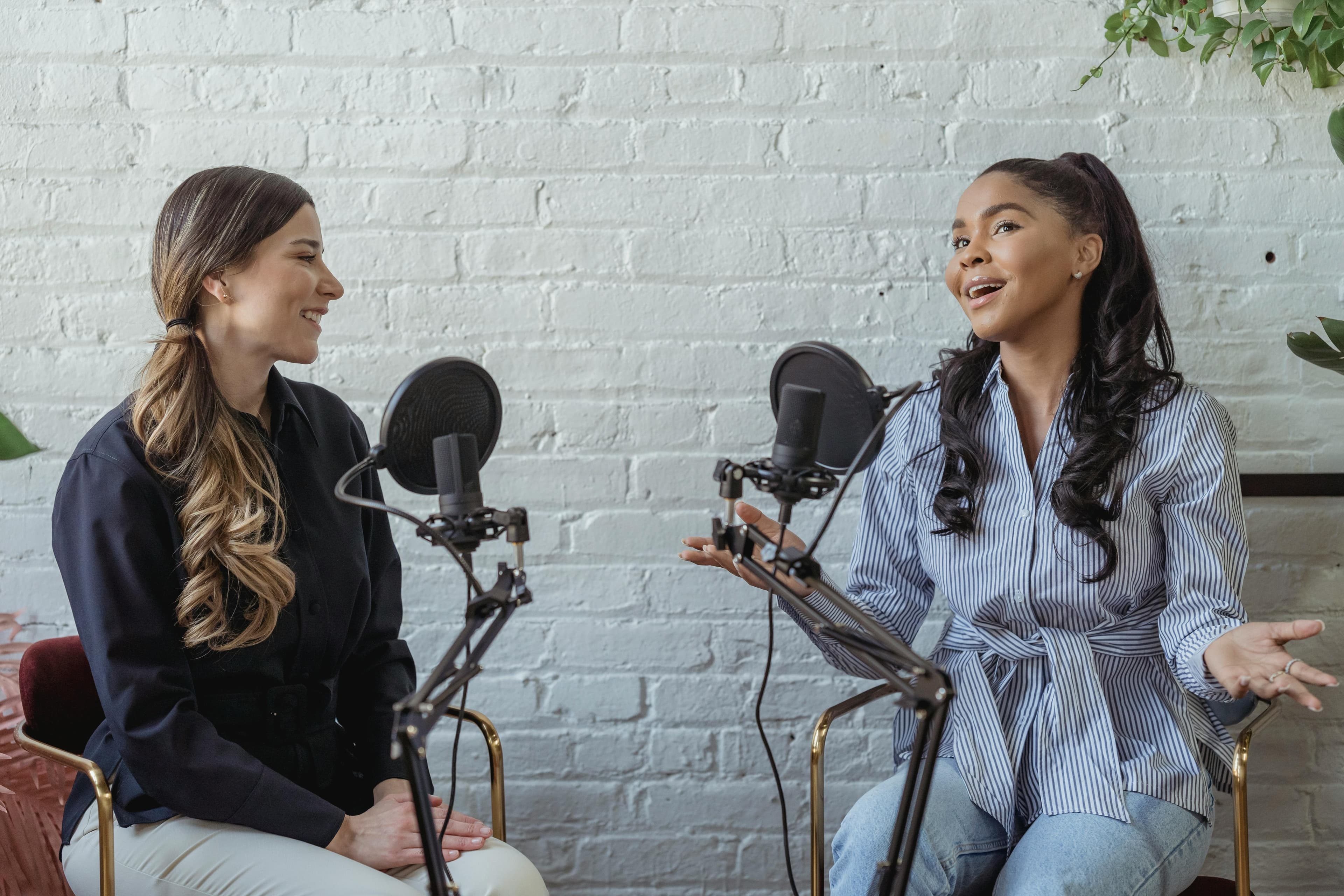
Picture this: a software company spends months perfecting an explainer video about their cloud infrastructure platform. The script is clear, the visuals are polished, and the information is accurate. But within fifteen seconds, viewers click away. The problem is simple: the delivery. The voiceover sounds like someone reading a textbook aloud, and no amount of stunning animation can save it.
Technical content has a unique challenge. It must convey complex, precise information without putting the audience to sleep. The secret weapon? A conversational voiceover style that transforms dense material into something that feels like a chat with a knowledgeable friend. When done right, it bridges the gap between expertise and accessibility, keeping viewers engaged from the first word to the last call-to-action.
What Makes a Voiceover "Conversational"?
Conversational voiceover isn't just about sounding casual. It's a deliberate technique where the voice talent speaks to the listener rather than at them. Think of the difference between a college lecture and a one-on-one coffee conversation about the same topic. The information might be identical, but the delivery changes everything.
The Core Elements
Natural pacing — pausing where a real person would pause, speeding up slightly during familiar concepts, and slowing down to let new ideas land
Vocal variety that mirrors genuine enthusiasm rather than forced energy
A tone that implies shared understanding, as if the speaker and listener are figuring things out together
Subtle warmth that makes even dry subject matter feel approachable
This style has become the gold standard for SaaS explainer videos, medical education content, financial services tutorials, and product walkthroughs. Audiences have grown allergic to the slick, overly produced "announcer voice" that dominated corporate video for decades.
Breaking Down Complex Ideas Without Dumbing Them Down
One of the biggest fears clients have when choosing a conversational approach is that their content will lose credibility. They worry that sounding friendly means sounding less authoritative. Skilled voice talent proves the opposite is true.
Consider a cybersecurity company explaining zero-trust architecture. A stiff, formal read might hit every technical term correctly but leave the audience confused and disengaged. A conversational voice actor takes that same script and delivers it with the confidence of someone who genuinely understands the material, emphasizing the why behind each concept, not just the what.
Practical Techniques That Work
The anchor-and-expand method. Start with a relatable analogy, then layer in the technical detail. A good voice actor knows how to shift tone slightly between the anchor (warm, familiar) and the expansion (clear, precise).
Strategic emphasis on benefit words rather than jargon. Instead of stressing "multi-factor authentication," stress what it does for the listener.
Micro-pauses before key terms give the audience a split second to prepare for new information, dramatically improving retention.
Rising inflection used sparingly to signal "stay with me, this connects to something you care about."
Need a commercial voice for your next project?
RealVOTalent is a marketplace of verified human voice actors. Play demos, compare rates, and hire in minutes.
Featured Commercial Talent
View all →
David is a professional voice actor known for a smooth, grounded delivery that helps brands discover their voice and captivate audiences. His sound is warm, intelligent, and controlled, with the range to move from approachable and reassuring to authoritative and commanding. Before voiceover, David spent over a decade as an operating partner in the service industry, where he trained teams, led from the front, and learned how real people respond to tone, clarity, and intent. With a background in theater, public speaking, psychology, and etymology, he brings both performance skill and analytical precision to every script. David works across commercial, corporate narration, e-learning, promos, trailers, IVR, explainer content, podcasts, and audiobooks. Just some of his many clients include UFC, Grammarly, Peugeot, DC Comics, Jägermeister, KFC, Shell and many others. He records from a broadcast-quality studio and is known for consistency, direction-friendly reads, and a collaborative approach that serves your project. "My job is to make your job as easy as possible, so you look like a rockstar, and your boss and clients love you."

Need a voice that actually connects? I'll combine a warm, engaging delivery with a streamlined, client-friendly process - helping you promote, inform, or tell your story with audio that sounds polished and feels effortless. As a full-time professional voice actor with over 25 years as an actor, stage performer, musician and educator, I have the skill and experience to bring your words to life in a fun and engaging way. My Friendly, Character-Rich Voice will keep your listeners engaged and tuned in to listen to your message – from beginning to end. Look to me for: Explainer Videos • E-Learning • Corporate Narration • Audiobook Narration • Animation • Commercial • Phone Messaging and more!

Hi! I'm a professional voiceover artist based in Orlando, Florida. I love being behind the microphone and bringing stories, scripts, and ideas to life. Whether it's a high-energy television commercial, a warm and conversational corporate explainer, a detailed eLearning module, or a long-form audiobook narration, I approach every project with the same dedication and care. Throughout my career, I've had the privilege of working with companies like Alibaba, Google, and Walmart to voice their productions and move audiences to action. I've also spent years coaching and mentoring voice actors at every stage of their careers, which has given me a deep understanding of the craft and a constant drive to refine my own performance. When it's time to create content for your business, you can trust me to deliver broadcast-quality audio on a fast turnaround. I'm easy to work with, take direction well, and genuinely care about getting every read right. That way, you can get back to doing what you do best. Let's get to work.
Choosing the Right Voice for Technical Projects
Not every conversational voice actor is suited for technical narration. The ideal talent sits at the intersection of relatability and intelligence; someone who sounds like they could explain blockchain at a dinner party without making anyone's eyes glaze over.
When casting for technical conversational voiceover, listen for these qualities in auditions:
Comfort with specialized vocabulary. The talent shouldn't stumble over or over-enunciate industry terms
An ability to shift between explanation mode and storytelling mode within the same paragraph
Authentic curiosity in the voice, as if the subject matter genuinely interests them
Clean articulation without sounding robotic or rehearsed
This is also precisely why real human voice talent matters for this type of work. AI-generated voices can approximate conversational tone, but they consistently fail at the micro-adjustments that make technical content land, the slight lift before a key insight, the grounded confidence when delivering a complex explanation, the warmth that says I've been where you are, and this isn't as complicated as it seems.
Real-World Applications
The demand for this specific skill set has exploded across industries. Here are the contexts where conversational voiceover transforms technical content from forgettable to effective:
Software and SaaS
Product demos, onboarding tutorials, and feature announcement videos all benefit from a voice that feels like a helpful colleague walking you through the interface. Companies like Slack and Notion built their brand voices around this exact approach.
Healthcare and Pharma
Patient education videos require extraordinary balance; the voice must be warm enough to comfort anxious viewers while remaining precise enough to convey medical information accurately. A conversational delivery reduces the intimidation factor that causes patients to disengage from critical health content.
Financial Services
Retirement planning, investment platforms, and insurance explainers are notoriously difficult to make engaging. The conversational approach strips away the stuffiness that makes people avoid financial content altogether.
E-Learning and Corporate Training
When employees are required to complete compliance training or technical certification courses, a relatable voice is often the only thing standing between engagement and the mute button. Completion rates and knowledge retention both climb measurably when the narration feels human and approachable.
Getting the Script Right Before the Mic Goes Live
Even the most talented voice actor can't rescue a script that was written for the page rather than the ear. If you want a conversational result, the writing has to support it.
Write shorter sentences. Use contractions like "you'll" instead of "you will," and "it's" instead of "it is." Read every line aloud before finalizing. If you stumble over a phrase, your voice talent will too. Replace passive constructions with direct address: not "the dashboard can be configured" but "you can configure the dashboard."
Build in breathing room. Dense scripts packed with wall-to-wall information leave no space for the vocal nuance that makes conversational delivery work. Let the voice talent bring personality to the pauses, and your content will be stronger for it.
Invest in the Voice That Makes Your Content Click
Technical content is only as effective as its delivery. You can have the clearest script, the sharpest visuals, and the most valuable information in your industry — but if the voiceover doesn't connect with your audience on a human level, you're leaving engagement and conversions on the table.
The conversational voiceover style is a reflection of how people actually want to receive information: from someone who sounds real, knowledgeable, and genuinely invested in helping them understand.
Ready to find the voice that makes your technical content resonate? Browse professional voice actors on RealVOTalent.com, a marketplace built exclusively for real, human voice talent. Listen to demos, compare styles, and connect with voice professionals who specialize in turning complex ideas into compelling content your audience will actually want to hear.

Written by
Trevor O'Hare
Founder, RealVOTalent
Trevor is a professional voice actor who has worked in audio for over two decades and been in the voiceover industry since 2019, completing thousands of projects for Fortune 500 companies and small businesses alike. He also coaches voice talent at VOTrainer.com.
Get voiceover industry tips & insights
Join our newsletter. No spam, unsubscribe anytime.


