
The Impact of Microphone Proximity on Voiceover Performance and Intimacy
From whisper-close warmth to commanding distance, mic proximity secretly controls how your audience feels. Master it or lose the connection.
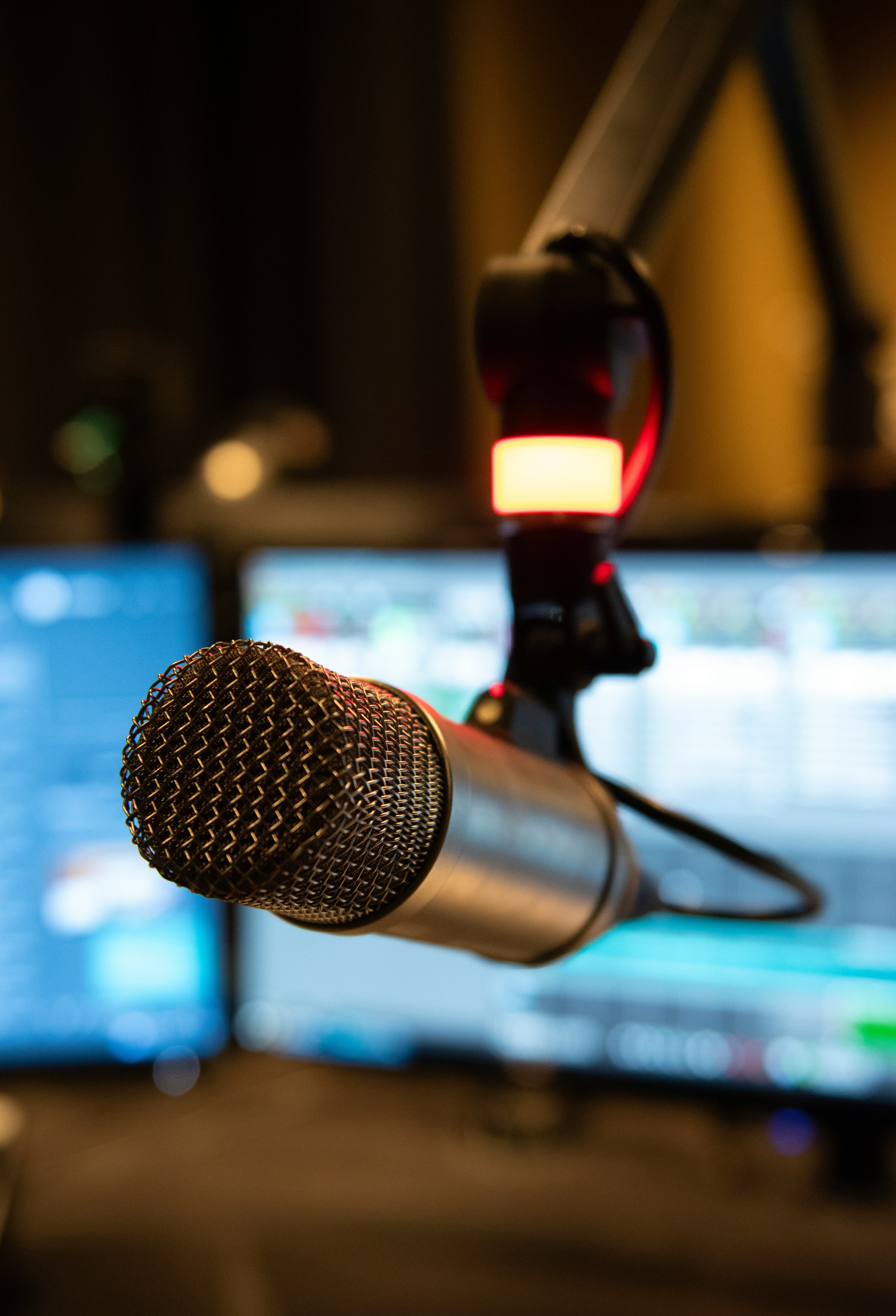
Why the Space Between Your Lips and the Mic Changes Everything
A voice actor steps up to the microphone, scripts in hand, performance dialed in, and yet something feels off. The read is technically correct, but it lacks that magnetic pull, that sense of closeness listeners crave. More often than not, the culprit is the distance between mouth and microphone.
Microphone proximity is one of the most underestimated variables in voiceover production. Across national commercials, audiobook chapters, and meditation apps, the physical relationship between talent and mic shapes everything from tonal warmth to emotional impact. Understanding how to manipulate that distance is what separates competent reads from captivating performances.
The Physics Behind the Feeling: How Proximity Shapes Sound
Every microphone has a characteristic called the proximity effect, a natural boost in bass frequencies that occurs when a sound source moves closer to a directional mic. At two inches from the capsule, a voice takes on a rich, resonant quality that feels almost physical. Pull back to twelve inches, and the same voice sounds thinner, more ambient, more detached.
The proximity effect doubles as a storytelling tool. It gives voice actors a way to shift the perceived relationship between narrator and listener without changing a single word of the script.
Close Proximity: 1–4 Inches
Working close to the microphone produces that warm, enveloping sound associated with intimacy and trust. Think late-night radio hosts, ASMR content, or the inner monologue of a film character. At this distance, even a whisper carries weight and presence. Breath sounds become part of the texture. Subtle mouth movements (the click of a tongue, the softness of a sibilant) register clearly.
This range is ideal for:
- Audiobook narration during emotional or reflective passages
- Meditation and wellness voiceovers
- Luxury brand commercials that aim for exclusivity
- Podcast intros and intimate storytelling segments
Medium Distance: 6–10 Inches
This is the workhorse range for most professional voiceover. It balances warmth with clarity and gives the voice a natural, conversational quality. Corporate narration, e-learning modules, and explainer videos typically land here. The proximity effect is present but controlled, and the talent has room to move without dramatic tonal shifts.
Far Proximity: 12+ Inches
Pulling back from the mic introduces more room sound and reduces bass response. The voice sounds lighter, more open, sometimes more authoritative, as though addressing a crowd rather than confiding in a single listener. Theatrical reads, announcer-style spots, and certain character voices benefit from this added distance.
Intimacy Is a Deliberate Technique
When a client requests an "intimate" read, what they're asking for is a combination of performance choices and technical decisions. The voice actor's emotional commitment matters enormously, but without the right mic technique, even the most heartfelt delivery can sound sterile.
Experienced voice talent know how to lean into the microphone during a vulnerable line and pull back slightly for a moment of reflection. This dynamic movement, sometimes shifting an inch or two, creates a sense of breathing, living presence that static positioning cannot replicate.
Consider the difference between a pharmaceutical ad that needs to sound caring without being clinical, and a romantic audiobook scene that demands raw closeness. Both require intimacy, but the degree of proximity and the way the talent manages it are entirely different. A skilled performer adjusts instinctively, reading the room, or rather, reading the mic.
Need a commercial voice for your next project?
RealVOTalent is a marketplace of verified human voice actors. Play demos, compare rates, and hire in minutes.
Featured Commercial Talent
View all →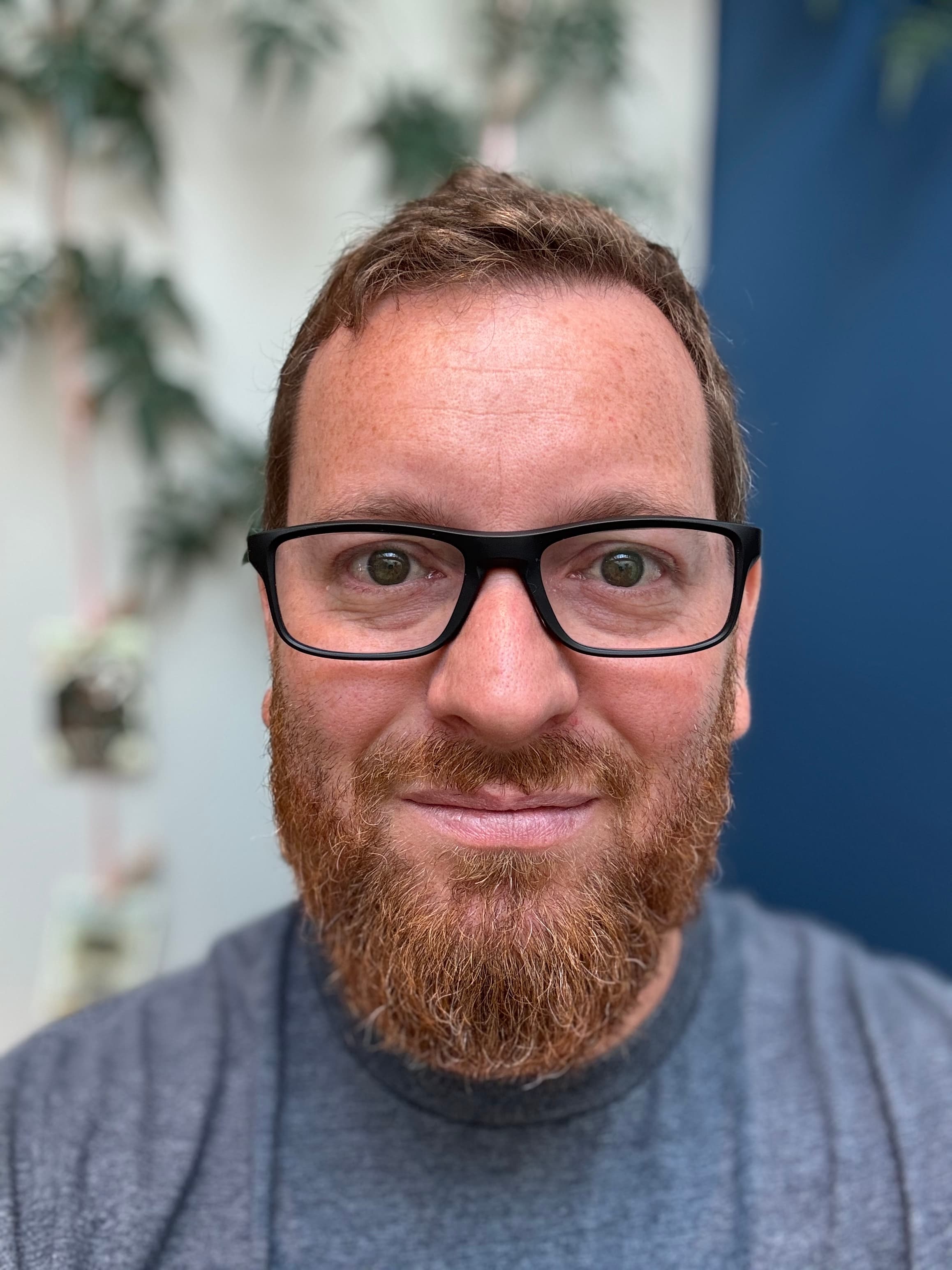
Jackson is a professional voice actor with a warm, engaging, and authentic North American voice. His sound ranges from friendly and conversational to confident and grounded, making him a strong fit for commercials, narration, e-learning, IVR, and character work. Known for a natural, relatable delivery and clear articulation, Jackson brings a real-person feel to every read while adapting easily to brand tone and direction. He records from a professional home studio and prides himself on reliability, fast turnaround, and collaborative communication.

An American male voice talent based in the Nashville, Tennessee area -- not only is he a trained voice over talent, but he also has a wealth of real-world experience to add authenticity, from University teaching to military leadership. His home recording studio allows him to provide high quality audio with a quick turnaround for time-sensitive projects. Understanding that successful working relationships are just that-- relationships-- he is dedicated to providing clients with clear and constant communication, reliability, and above all else, providing the voice that makes your project stand out.
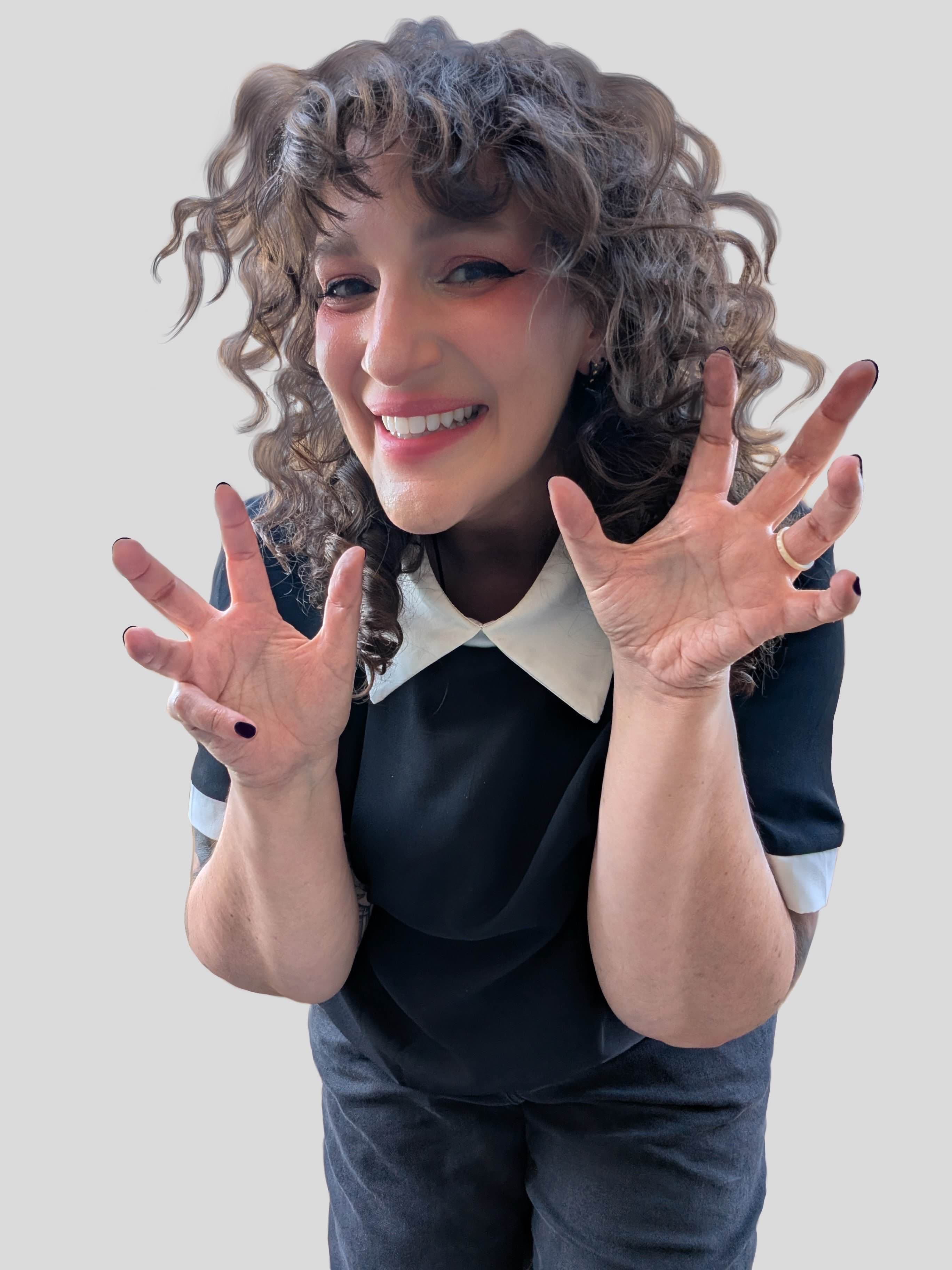
Sara is a full time American voice actor who brings energy, charisma, and playfulness to each performance. With a strong foundation in creative storytelling and clear communication, she shines in character-driven work, where she can explore bold choices, distinct personalities, and expressive range. That same sense of play also informs her commercial and narration reads, giving them a fresh, authentic feel. Her voice carries a cool, charismatic blend of Cameron Diaz and Drew Barrymore, with hints of Miley Cyrus edge and Aubrey Plaza charm. Naturally playful and emotionally agile, Sara’s sound is engaging and adaptable. Known for her collaborative, low-stress sessions and taking direction like a beast, she makes the process smooth, fun, and creatively rewarding. Performing in a custom-built, professionally sound-treated studio, Sara delivers broadcast-quality audio with quick delivery. Accent work includes general American, American (south), British RP, French, Italian, and German. Based in Central Florida with her partner and dog, Sara spends her free time playing and streaming video games, painting, and spending as much time in a hammock as possible.
Common Proximity Mistakes That Undermine a Performance
Even talented voice actors can fall into habits that work against them. Here are the most frequent proximity-related issues producers encounter:
- Parking at one distance for the entire session. A flat, unchanging mic relationship produces a flat, unchanging sound. Movement, even subtle shifts, keeps the ear engaged.
- Working too close without a pop filter. Plosive consonants like "P" and "B" create bursts of air that hit the diaphragm and produce distracting low-frequency thuds. Proximity amplifies this problem significantly.
- Backing away during quiet passages. Instinct tells many performers to retreat when they soften their voice, but this reduces intimacy at the moment it matters most. Staying close while dropping volume is what creates that magnetic, conspiratorial quality.
- Ignoring the mic's polar pattern. A cardioid mic responds to proximity differently than a figure-eight or omnidirectional capsule. Knowing your specific microphone's behavior is essential for making informed distance choices.
Practical Tips for Dialing In Your Mic Distance
These guidelines will help voice actors and producers alike use proximity as a creative tool.
Start With the Script, Not the Mic
Read through the copy and identify the emotional arc. Mark the passages that call for closeness and the moments that need space. Let the content dictate your starting position, then adjust from there during recording.
Use the "Fist Rule" as a Baseline
Place your closed fist between your mouth and the microphone. That roughly six-inch distance serves as a reliable neutral starting point for most voiceover work. From there, move closer for warmth or pull back for projection, but always with intention.
Record Test Takes at Multiple Distances
Before committing to a full session, record the same line at three, six, and twelve inches. Listen back on headphones. The differences are often dramatic, and hearing them side by side trains your ear to recognize what each distance offers the performance.
Monitor in Real Time
Wearing closed-back headphones during recording lets you hear exactly what the microphone proximity is doing to your voice. This feedback loop accelerates your ability to make micro-adjustments on the fly, the hallmark of a seasoned professional.
Why This Matters for Hiring Voice Talent
For producers, directors, and content creators, understanding mic proximity isn't just academic. It directly affects the quality of what you receive from voice talent. When you can articulate what you want — "Can we try that line closer to the mic for more warmth?" — sessions become faster, more productive, and more creatively satisfying for everyone involved.
It also changes how you evaluate auditions. A voice actor who demonstrates dynamic proximity control in their demo reel is showing you something important: they understand that voiceover performance lives at the intersection of emotion and technique. That awareness translates to fewer retakes, better raw recordings, and a final product that connects with your audience on a visceral level.
Find Voice Talent Who Understand the Craft
Microphone proximity is just one dimension of professional voice acting, but it reveals something fundamental about a performer's skill and awareness. The best voice actors sculpt sound, using every tool available to serve the story.
At RealVOTalent, every artist on the platform is a real, human professional who brings this kind of technical mastery to every session. No AI-generated voices, no synthetic shortcuts. Only experienced performers who know how to make a microphone sing. Browse the roster at RealVOTalent.com and find the voice that brings your next project to life.

Written by
Trevor O'Hare
Founder, RealVOTalent
Trevor is a professional voice actor who has worked in audio for over two decades and been in the voiceover industry since 2019, completing thousands of projects for Fortune 500 companies and small businesses alike. He also coaches voice talent at VOTrainer.com.
Get voiceover industry tips & insights
Join our newsletter. No spam, unsubscribe anytime.


