The Hidden Costs of AI Voice Licensing vs. One-Time Talent Fees
AI voice subscriptions look cheap until overage fees, licensing traps, and legal risks pile up. See the real cost breakdown before you commit.

That "Cheap" AI Voice Might Be Your Most Expensive Decision
The pitch sounds irresistible: generate any voice you need for a fraction of what a human voice actor charges. No auditions, no scheduling, no back-and-forth on delivery. Type your script, click generate, and you're done. But when finance teams start reconciling the actual costs of AI voice licensing six or twelve months later, the numbers tell a very different story.
Businesses across industries are discovering that AI voice licensing comes with a web of recurring fees, usage restrictions, and legal gray areas that quietly erode the supposed savings. Meanwhile, a one-time talent fee from a professional voice actor delivers a finished asset you own outright, no strings attached, no surprise invoices next quarter.
The Subscription Trap: How AI Voice Costs Compound
Most AI voice platforms operate on subscription models with tiered pricing. The entry-level plan looks affordable, maybe $30 to $100 per month, but those tiers come with strict limitations on character counts, commercial usage rights, and the number of projects you can produce.
Scale your content even modestly, and you'll hit overages fast. A mid-size e-learning company producing 20 modules per quarter can easily burn through a basic plan's character limits in the first two weeks. Upgrading to an enterprise tier often means jumping to $500 or more per month, and that's before add-ons for premium voice models or multilingual support.
Usage Caps and Overage Fees
Read the fine print on any major AI voice platform and you'll find per-character or per-minute overage charges. These typically range from $0.01 to $0.03 per additional character, numbers that seem negligible until you're generating hundreds of thousands of characters monthly. One marketing agency reported overage charges of $1,200 in a single month after launching a podcast series they assumed was covered under their existing plan.
Annual Cost Comparison
Consider a straightforward project: a company needs voiceover for 12 explainer videos per year, each running about three minutes. With a professional voice actor, you might pay $300 to $800 per video as a one-time talent fee, totaling $3,600 to $9,600 annually with full ownership of every file. With an AI voice platform at the enterprise tier, you're looking at $6,000 to $12,000 per year in subscription costs alone, plus overage risk, and you still don't own the output.
Licensing Restrictions That Limit How You Use Your Own Content
AI voice costs hide in the licensing terms. Most platforms retain some level of intellectual property rights over the generated audio. You're licensing the output, not purchasing it. That distinction matters enormously when your legal team starts asking questions.
Common restrictions buried in AI voice licensing agreements include:
- Prohibitions on using generated audio in broadcast advertising without an upgraded license
- Requirements to credit the platform in certain distribution contexts
- Clauses allowing the platform to revoke access or change terms at any time
- Restrictions on reselling or sublicensing content that contains AI-generated voice
- Geographic limitations on where the content can be distributed
When you hire a voice actor and negotiate a simple buyout, you receive a clean, transferable asset. There's no third-party platform sitting between you and your content, no terms of service that can change overnight, and no ambiguity about who owns what.
Need a commercial voice for your next project?
RealVOTalent is a marketplace of verified human voice actors. Play demos, compare rates, and hire in minutes.
Featured Commercial Talent
View all →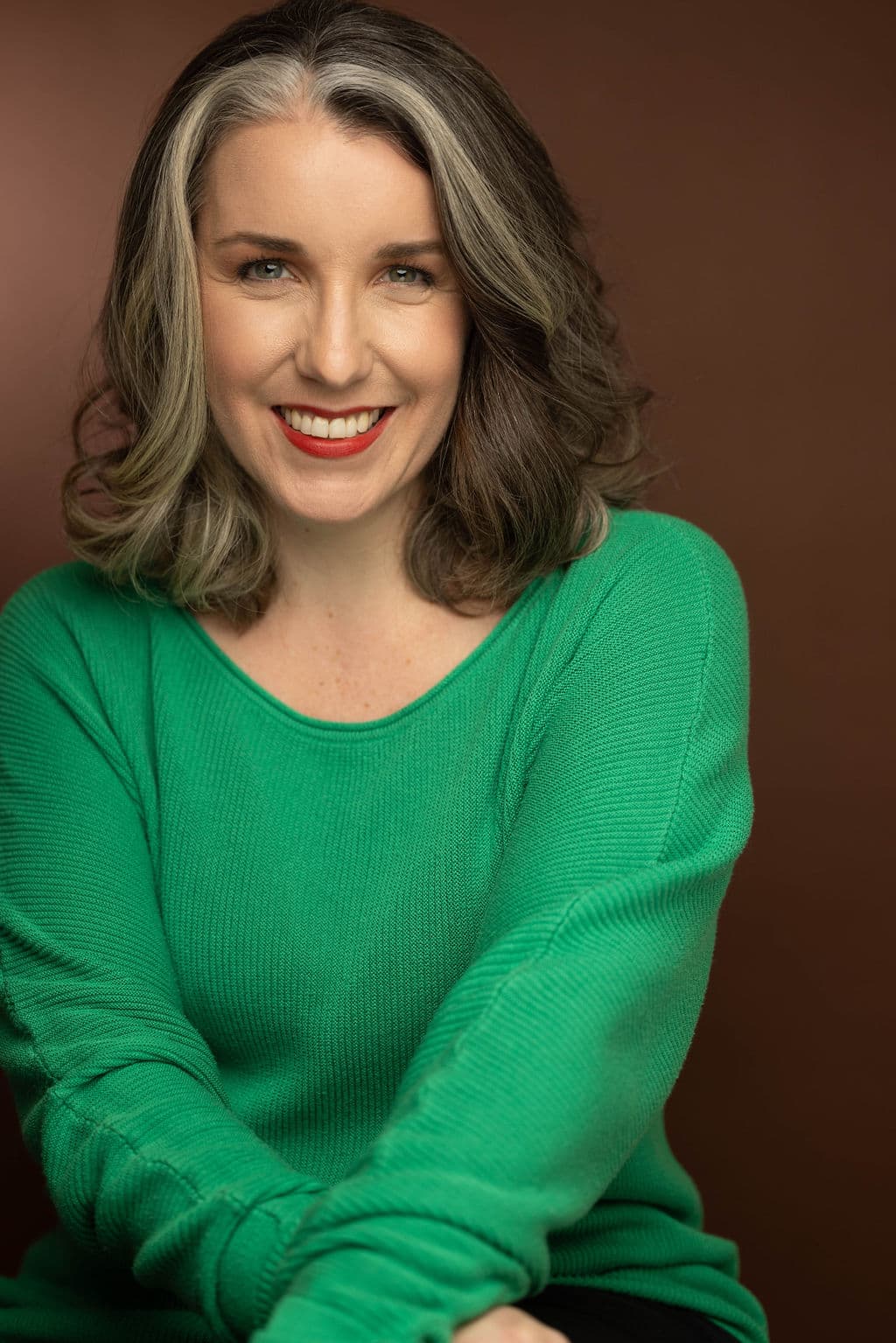
Lauren is a prolific, full time voice talent serving a global clientele from her New York studio. She has leant her voice to thousands of projects across all niches and genres. Trusted by top brands such as Pinterest, Microsoft, Kohl’s, Nokia, Toyota and Chipotle, as well as hundreds of small businesses and starts ups, her voice has been described as warm, friendly, positive, professional, mature, encouraging, engaging, “effortlessly amazing”, “legendary”, “next level”, “perfection” and “the bomb dot com”. Clients consistently rave about her fast, friendly service, top quality audio and compelling reads that hit the mark on the first take. Lauren’s love for bringing messages to life behind the mic is matched only by her passion for performing live. She is a critically acclaimed actor & singer with over 20 years of professional training and experience performing on premier stages across North America. She is also a seasoned teacher, director, choreographer and coach as well as a proud wife and mama of twins.
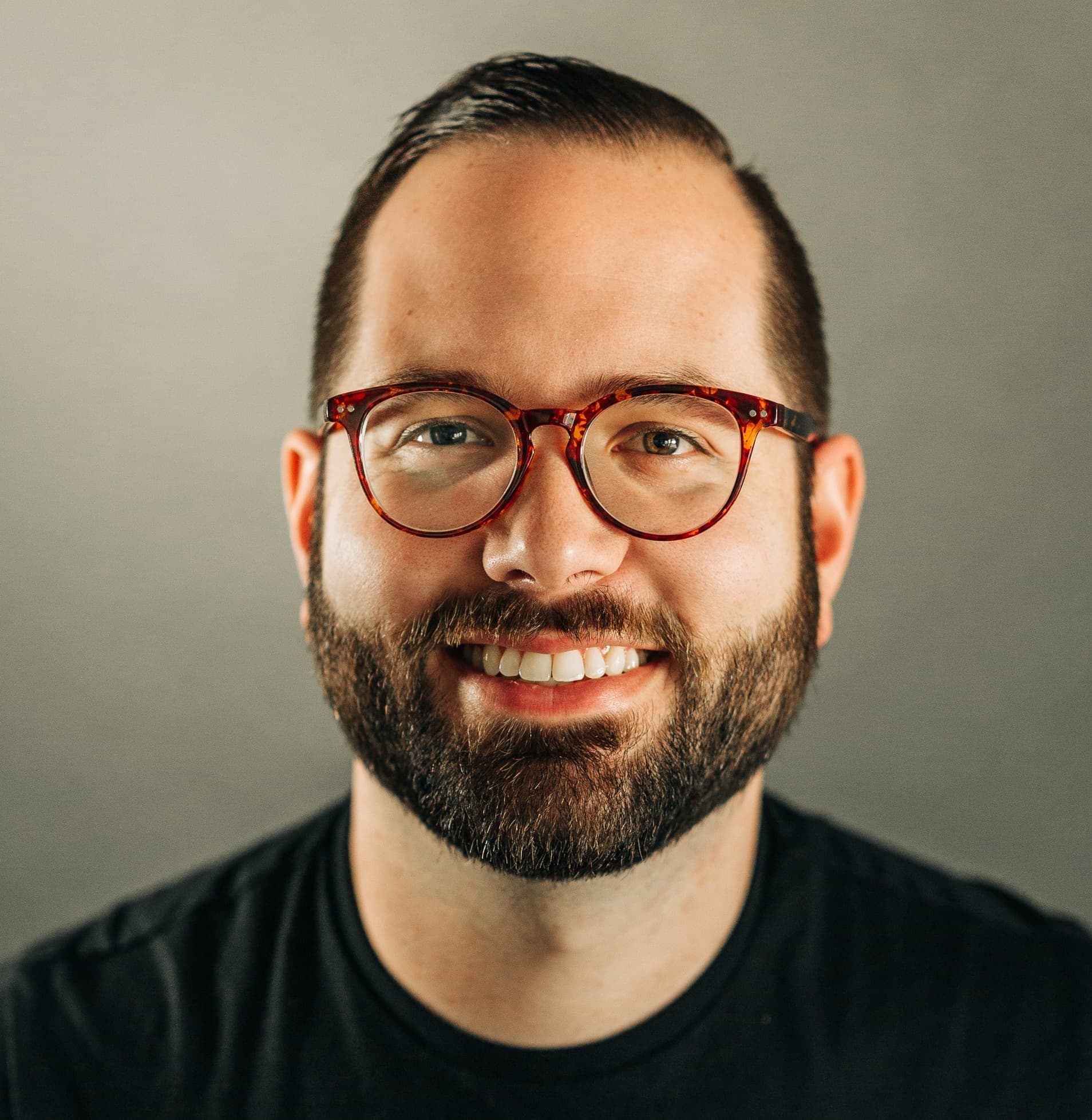
Hi! I'm a professional voiceover artist based in Orlando, Florida. I love being behind the microphone and bringing stories, scripts, and ideas to life. Whether it's a high-energy television commercial, a warm and conversational corporate explainer, a detailed eLearning module, or a long-form audiobook narration, I approach every project with the same dedication and care. Throughout my career, I've had the privilege of working with companies like Alibaba, Google, and Walmart to voice their productions and move audiences to action. I've also spent years coaching and mentoring voice actors at every stage of their careers, which has given me a deep understanding of the craft and a constant drive to refine my own performance. When it's time to create content for your business, you can trust me to deliver broadcast-quality audio on a fast turnaround. I'm easy to work with, take direction well, and genuinely care about getting every read right. That way, you can get back to doing what you do best. Let's get to work.

David is a professional voice actor known for a smooth, grounded delivery that helps brands discover their voice and captivate audiences. His sound is warm, intelligent, and controlled, with the range to move from approachable and reassuring to authoritative and commanding. Before voiceover, David spent over a decade as an operating partner in the service industry, where he trained teams, led from the front, and learned how real people respond to tone, clarity, and intent. With a background in theater, public speaking, psychology, and etymology, he brings both performance skill and analytical precision to every script. David works across commercial, corporate narration, e-learning, promos, trailers, IVR, explainer content, podcasts, and audiobooks. Just some of his many clients include UFC, Grammarly, Peugeot, DC Comics, Jägermeister, KFC, Shell and many others. He records from a broadcast-quality studio and is known for consistency, direction-friendly reads, and a collaborative approach that serves your project. "My job is to make your job as easy as possible, so you look like a rockstar, and your boss and clients love you."
The Legal Liability Nobody Talks About
AI voice technology is advancing faster than the laws governing it. Multiple jurisdictions (including the EU under the AI Act and several U.S. states) are actively legislating requirements around AI-generated content disclosure. If your brand uses AI voices without proper labeling, you could face regulatory penalties that dwarf any production savings.
There's also the growing issue of voice likeness claims. Several high-profile lawsuits are currently testing whether AI voice models trained on real actors' voices constitute unauthorized use of their likeness. If a platform you use gets hit with an injunction, your content could be pulled from distribution with zero notice.
Insurance and Indemnification Gaps
Most AI voice platforms offer limited indemnification. If a legal challenge arises from AI-generated audio in your commercial content, the platform's liability cap is typically restricted to the fees you've paid, leaving your company exposed to the full cost of litigation, settlements, and brand damage. Working directly with human voice talent through clear contracts eliminates this entire category of risk.
Quality Costs You Don't See on the Invoice
AI-generated voices have improved dramatically, but they still fall short in ways that create downstream costs. The most common hidden expense is revision time. Teams spend hours tweaking pronunciation, pacing, and emphasis through text markup and regeneration cycles, time that adds up quickly when you factor in the hourly rates of your content producers, editors, and project managers.
A professional voice actor, by contrast, takes direction in real time. A single 90-minute recording session can yield finished audio for an entire project, with natural inflection, emotional range, and brand-consistent delivery that no amount of SSML tagging can replicate.
Then there's the audience perception factor. Research consistently shows that listeners detect synthetic speech, even high-quality synthesis, and associate it with lower trust and credibility. For brands where authenticity is part of the value proposition, that perception gap translates directly into lost conversions and weakened customer relationships.
When One-Time Talent Fees Save You Money
The math becomes clearest when you map out total cost of ownership over two to three years. One-time talent fees are exactly what they sound like: you pay once, you own the deliverable, and your costs are predictable from the start.
- No recurring subscriptions. Your budget isn't held hostage by a platform's pricing changes.
- Full ownership. Use the audio anywhere, forever, without additional licensing fees.
- No compliance risk. Human-voiced content doesn't trigger AI disclosure requirements.
- Faster turnaround. Experienced talent often delivers broadcast-ready audio in 24 to 48 hours.
- Brand consistency. The same voice actor can become your brand's signature sound across every touchpoint.
For projects like phone systems, corporate training, audiobooks, commercials, and video narration, a one-time talent fee almost always delivers better ROI than an ongoing AI voice subscription, especially when you account for the hidden costs outlined above.
Make the Investment That Pays for Itself
AI voice technology has its place in rapid prototyping and internal testing. But when your audio represents your brand to the world, cutting corners on voice production is a false economy. The hidden costs of AI voice licensing (subscriptions, overages, legal exposure, quality compromises, and ownership ambiguity) add up to far more than most businesses anticipate.
Professional voice talent gives you a finished product with no strings attached: authentic, legally clean, and entirely yours. At RealVOTalent, every voice you'll find is a real human professional, no AI, no licensing traps, no surprises. Browse the roster, listen to demos, and book the voice that fits your brand. Your audience will hear the difference, and your budget will thank you.

Written by
Trevor O'Hare
Founder, RealVOTalent
Trevor is a professional voice actor who has worked in audio for over two decades and been in the voiceover industry since 2019, completing thousands of projects for Fortune 500 companies and small businesses alike. He also coaches voice talent at VOTrainer.com.
Get voiceover industry tips & insights
Join our newsletter. No spam, unsubscribe anytime.


