The Ethical Imperative: Supporting Real Artists, Not Voice-Cloning Algorithms
Voice cloning exploits real artists for profit. Here's why ethical businesses are rejecting synthetic voices and backing the humans behind the microphone.

A Voice Is More Than Sound Waves
Somewhere right now, a voice actor is recording a commercial for a local bakery. She spent years training her instrument, learning breath control, mastering the subtle warmth that makes listeners trust a brand. She invested in a home studio, paid for coaching, and built a career one audition at a time. And somewhere else, a startup is feeding her published recordings into an algorithm designed to replicate everything she worked for, without her knowledge or consent.
This isn't a hypothetical scenario. Voice cloning technology has advanced to the point where a few minutes of audio can generate a synthetic replica of a real person's voice. The implications reach far beyond the tech industry. They strike at the heart of what it means to value human creativity, and they force anyone who hires voice talent to make a choice about which side of that line they stand on.
What Voice Cloning Actually Costs
The marketing pitch for AI-generated voices focuses on speed and savings. But the actual cost is paid by real people. Voice actors lose work because their performances have been stolen and repurposed without compensation.
Consider what goes into a professional voice performance:
Years of vocal training, acting classes, and dialect work
Thousands of dollars invested in studio equipment and acoustic treatment
The emotional intelligence to interpret a script and connect with an audience
Ongoing professional development, health care for their instrument, and business management
When a company chooses a cloned voice over a real one, they're extracting value from an artist's lifetime of work and giving nothing back. That's exploitation wearing a tech-forward label.
The Legal Gray Zone Is No Excuse
One of the most common justifications for voice cloning is that the law hasn't caught up yet. And that's partially true. Regulations around synthetic voice replication vary wildly across jurisdictions, and enforcement is inconsistent at best.
But legality and ethics are not the same thing. Slavery was once legal. Child labor was once standard. The fact that something is permitted doesn't make it right.
What's Happening on the Regulatory Front
Several states have passed or introduced legislation protecting vocal likeness rights. Tennessee's ELVIS Act specifically addresses AI voice replication. The European Union's AI Act includes provisions about transparency in synthetic content. SAG-AFTRA has made AI protections a central issue in contract negotiations.
The legal walls are closing in. Companies that build their audio strategy on cloned voices today may find themselves facing retroactive liability tomorrow. But waiting for the law to force ethical behavior is a low bar. The businesses and creators worth supporting are the ones who choose to do right before they're required to.
Why Human Voices Still Win
Beyond the ethical arguments, there are practical reasons to choose real voice talent over synthetic alternatives. AI-generated voices have improved dramatically, but they still fall short in ways that matter to audiences.
Emotional Nuance
A skilled voice actor reads between the lines of a script. They know when to pause for effect, when to soften a word, when to add a slight smile to their delivery. These micro-decisions come from lived human experience, and listeners respond to them on a subconscious level. Synthetic voices can mimic patterns, but they cannot feel the story they're telling.
Need a commercial voice for your next project?
RealVOTalent is a marketplace of verified human voice actors. Play demos, compare rates, and hire in minutes.
Featured Commercial Talent
View all →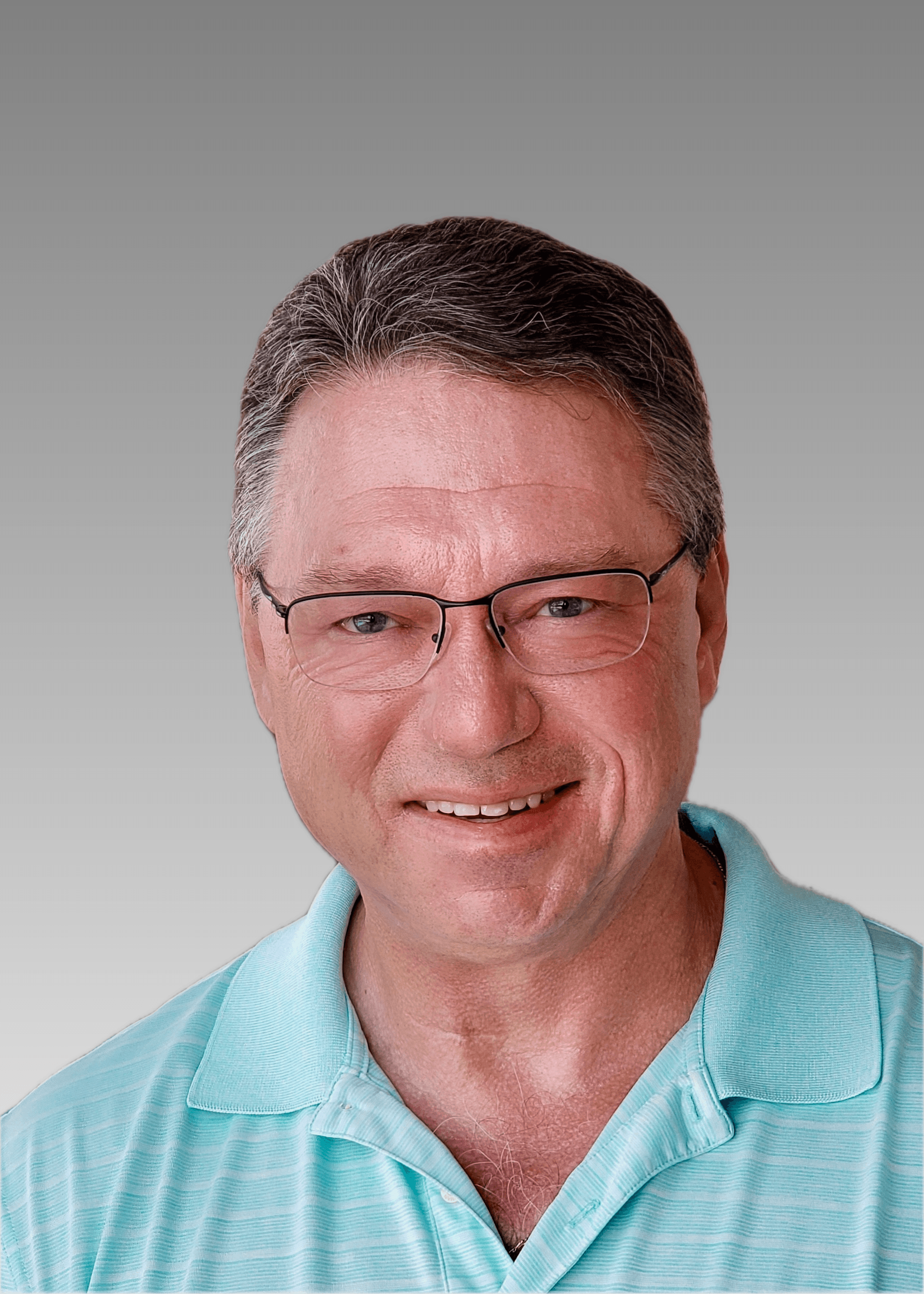
I am a professional voice actor with a deep, warm, and confident sound—ideal for commercial, corporate narration, eLearning, and medical content. My background in communication and education in the medical industry allows me to balance authority with approachability, helping audiences stay engaged while absorbing complex information. Known for a clean, natural delivery and strong script interpretation, I have worked with clients who need a voice that sounds informed, trustworthy, and human. I record in a professionally sound-treated WhisperRoom and quickly deliver broadcast quality audio.
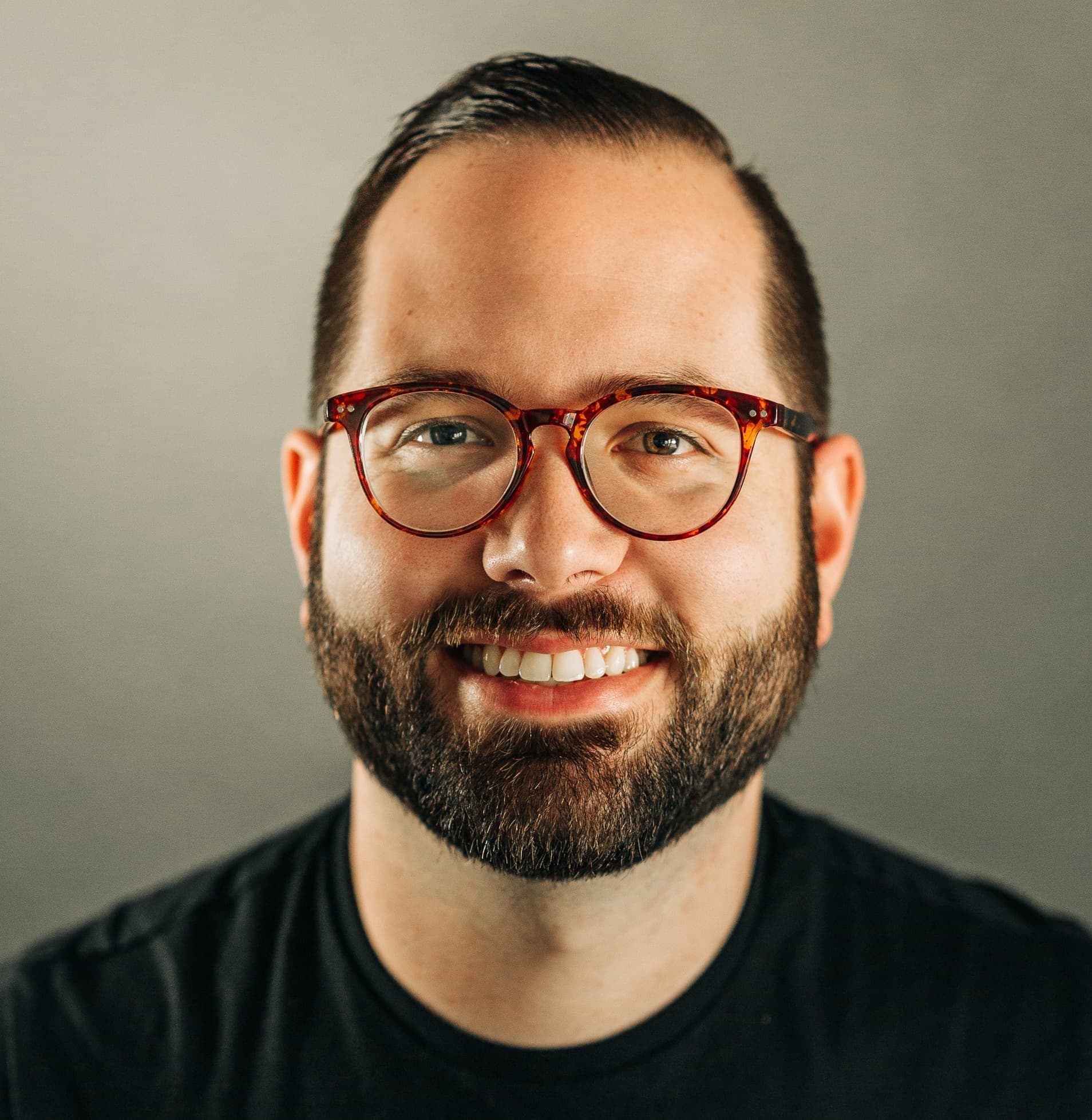
Hi! I'm a professional voiceover artist based in Orlando, Florida. I love being behind the microphone and bringing stories, scripts, and ideas to life. Whether it's a high-energy television commercial, a warm and conversational corporate explainer, a detailed eLearning module, or a long-form audiobook narration, I approach every project with the same dedication and care. Throughout my career, I've had the privilege of working with companies like Alibaba, Google, and Walmart to voice their productions and move audiences to action. I've also spent years coaching and mentoring voice actors at every stage of their careers, which has given me a deep understanding of the craft and a constant drive to refine my own performance. When it's time to create content for your business, you can trust me to deliver broadcast-quality audio on a fast turnaround. I'm easy to work with, take direction well, and genuinely care about getting every read right. That way, you can get back to doing what you do best. Let's get to work.
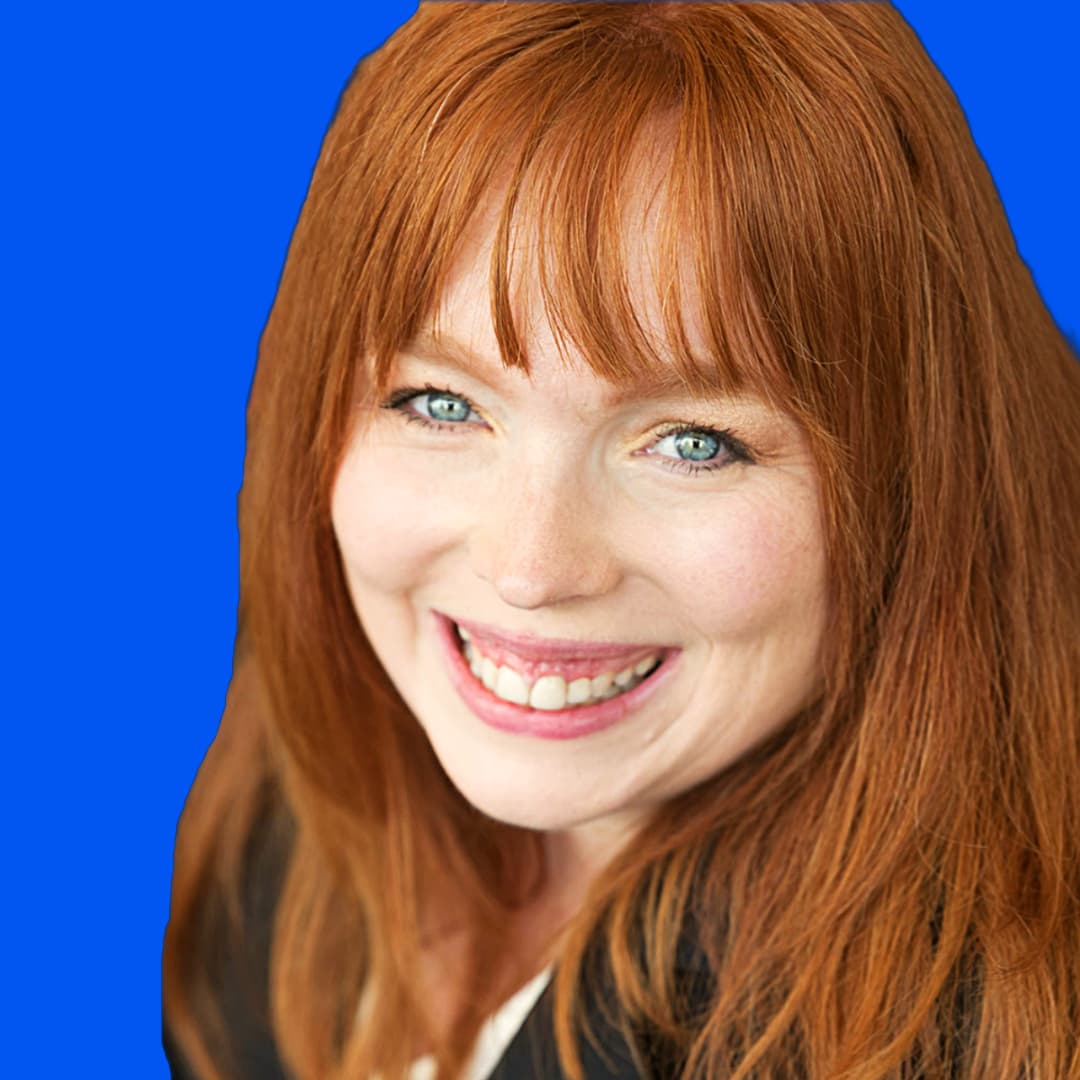
Teresa is a full-time voice actor with a custom, broadcast-ready studio & an award winning stage actor. From performing engaging corporate reads straight to a bff commercial and on to a few wild, off-the wall characters... that's a Tuesday in this studio- you are covered. She has her BA in acting and wrote and directed children's plays/musicals for almost a decade. You'll find a creative collaborator who loves to dig in to copy and play. Believable performances, fast deliveries and dependable communication are what people expect and receive from Teresa. She found a love for voice acting when she connected the dots and realized this was her path to work from home! Added bonus: she has more time for video games (aka: Teresa is an excellent choice for video game characters). Growing up in the Midwest, Teresa has a neutral accent that fits into a wide range of styles. However, if an accent is called for, she's trained with world renowned dialecticians and performed leading roles on stage in British RP and Estuary as well as Irish (Dublin). With a capable ear, volumes upon volumes of resources and her dialectician coach a zoom call away- she's capable of almost any accent performed authentically. Teresa’s voice has been described as authentic, warm, dynamic, authoritative, sincere, trustworthy, energetic, fresh, friendly and relatable.
Brand Trust and Authenticity
81% of respondents in a survey done by Podcastle (now known as Async) expressed that they were concerned about future implications of AI voice technology. The top perceived threat? Manipulation and deception.
Creative Collaboration
When you hire a voice actor, you get a creative partner. They ask questions about your audience. They offer alternate reads. They bring ideas you didn't anticipate. An algorithm gives you exactly what you programmed and nothing more. The best creative work happens when humans bring their full selves to the table.
How to Make Ethical Choices as a Buyer
If you're a business owner, content creator, or marketing professional who uses voice talent, here's how to put your values into practice:
Ask directly. Before hiring through any platform, ask whether the voices available are real humans or AI-generated. If the answer is vague, walk away.
Pay fair rates. Undercutting voice actors on price pushes them out of the industry and makes AI alternatives look more appealing by comparison. Fair compensation sustains the talent pool everyone depends on.
Check usage rights carefully. Some platforms bury clauses in their terms of service that allow them to use uploaded audio for AI training. Read the fine print, and don't agree to terms that could harm the people you're hiring.
Use platforms that take a stand. Choose marketplaces that explicitly commit to real human talent and refuse to host synthetic voices.
Spread the word. When you work with a voice actor whose performance impresses you, credit them publicly. Share their work. Recommend them to colleagues. Visibility is currency in the creative economy.
The Bigger Picture: What Kind of Creative Economy Do We Want?
The voice cloning debate is a proxy for a much larger question about the future of creative work. Human artistry deserves to be valued, protected, and compensated. It should never be treated as raw material to be scraped, processed, and resold by the companies with the biggest servers.
Every hiring decision is a vote. When you choose a real voice actor, you're voting for a creative economy where talent matters, where years of practice and dedication are rewarded, and where the human qualities that make a performance memorable are considered worth paying for.
When you choose a cloned voice, you're voting for the opposite.
A small savings today comes at the expense of the long-term health of an entire profession. The voice actors creating brilliant work right now deserve clients who see them as partners, not as training data.
Stand With Real Voices
Supporting real voice talent isn't complicated. It starts with a commitment to hiring actual human beings and using platforms built on that same principle. RealVOTalent exists specifically for this purpose: connecting clients with verified, professional voice actors who bring genuine skill, creativity, and humanity to every project. No algorithms. No clones. Real artists doing real work.
The next time you need a voice for your project, make the choice that respects the craft. Visit RealVOTalent.com and hire a real human voice.

Written by
Trevor O'Hare
Founder, RealVOTalent
Trevor is a professional voice actor who has worked in audio for over two decades and been in the voiceover industry since 2019, completing thousands of projects for Fortune 500 companies and small businesses alike. He also coaches voice talent at VOTrainer.com.
Get voiceover industry tips & insights
Join our newsletter. No spam, unsubscribe anytime.


