Measuring ROI: Does a Professional Voiceover Increase Video Conversion Rates?
Research shows listeners trust human voices more than twice as much as AI-generated ones. Here's the exact framework to measure voiceover ROI and prove it to your team.

The $200 Question Every Marketer Eventually Asks
You spent weeks scripting the perfect explainer video. The animations are polished, the pacing is tight, and the message is clear. Then you upload it with a text-to-speech track because "nobody really notices the voiceover, right?"
Wrong. They notice. They just leave before telling you.
A professional voiceover is one of the most overlooked conversion levers in video marketing. And unlike a full creative overhaul, it's one of the cheapest to test. The real question is whether you can prove it matters with numbers your CFO will accept.
Why Voice Quality Directly Affects Viewer Behavior
The human brain responds to sound faster than to sight. Auditory stimuli reach the brain in 8-10 milliseconds compared to 20-40 milliseconds for visual stimuli, giving voice a unique immediacy in capturing attention (Jain et al., 2015, International Journal of Applied and Basic Medical Research). Before a viewer consciously evaluates your product or offer, their brain has already made a snap judgment based on the voice delivering your message. A confident, warm, clearly articulated voice signals credibility. A flat, robotic, or poorly recorded voice signals the opposite.
Research from the University of Glasgow found that listeners form trustworthiness judgments from voice alone within the first half-second of hearing someone speak (McAleer, Todorov & Belin, 2014, PLOS ONE). For a 60-second product video, that means the voice does most of the persuasion work before your viewer even sees the pricing slide.
The Trust Gap Between Synthetic and Human Voices
AI-generated voices have improved dramatically, but listeners can still detect something off. A 2024 survey of 1,120 consumers by Audacy found that 55% of people trust a human voice compared to just 23% who trust AI-generated content. That's more than double the trust level. A separate 2024 study by Voice Over Agency surveying 3,500 respondents found that 75% aren't convinced at all by an AI voice, even when the message content is identical, and 78% are more likely to take action when a human voiceover is used. For brands asking viewers to hand over an email address, start a free trial, or make a purchase, that trust gap translates directly into lost conversions.
How to A/B Test Voiceover Impact on Conversions
Proving ROI requires a controlled experiment. Here's a straightforward framework you can run with minimal budget:
Isolate the variable. Create two versions of the same video. Keep visuals, script, music, and CTA identical. The only difference should be the voiceover track.
Split your traffic evenly. Use your video hosting platform or landing page tool to serve each version to 50% of visitors.
Define your conversion event. This could be a click-through, form submission, add-to-cart, or completed purchase.
Run the test for at least two full business cycles (typically 2-4 weeks) to account for traffic fluctuations.
Measure statistical significance. Tools like Google Optimize, VWO, or even a simple chi-squared calculator will tell you whether the difference in conversion rates is real or noise.
Most marketers who run this test for the first time are surprised by the size of the gap. Research consistently shows that human voiceover outperforms AI and generic alternatives on engagement, trust, and purchase intent.
Need a commercial voice for your next project?
RealVOTalent is a marketplace of verified human voice actors. Play demos, compare rates, and hire in minutes.
Featured Commercial Talent
View all →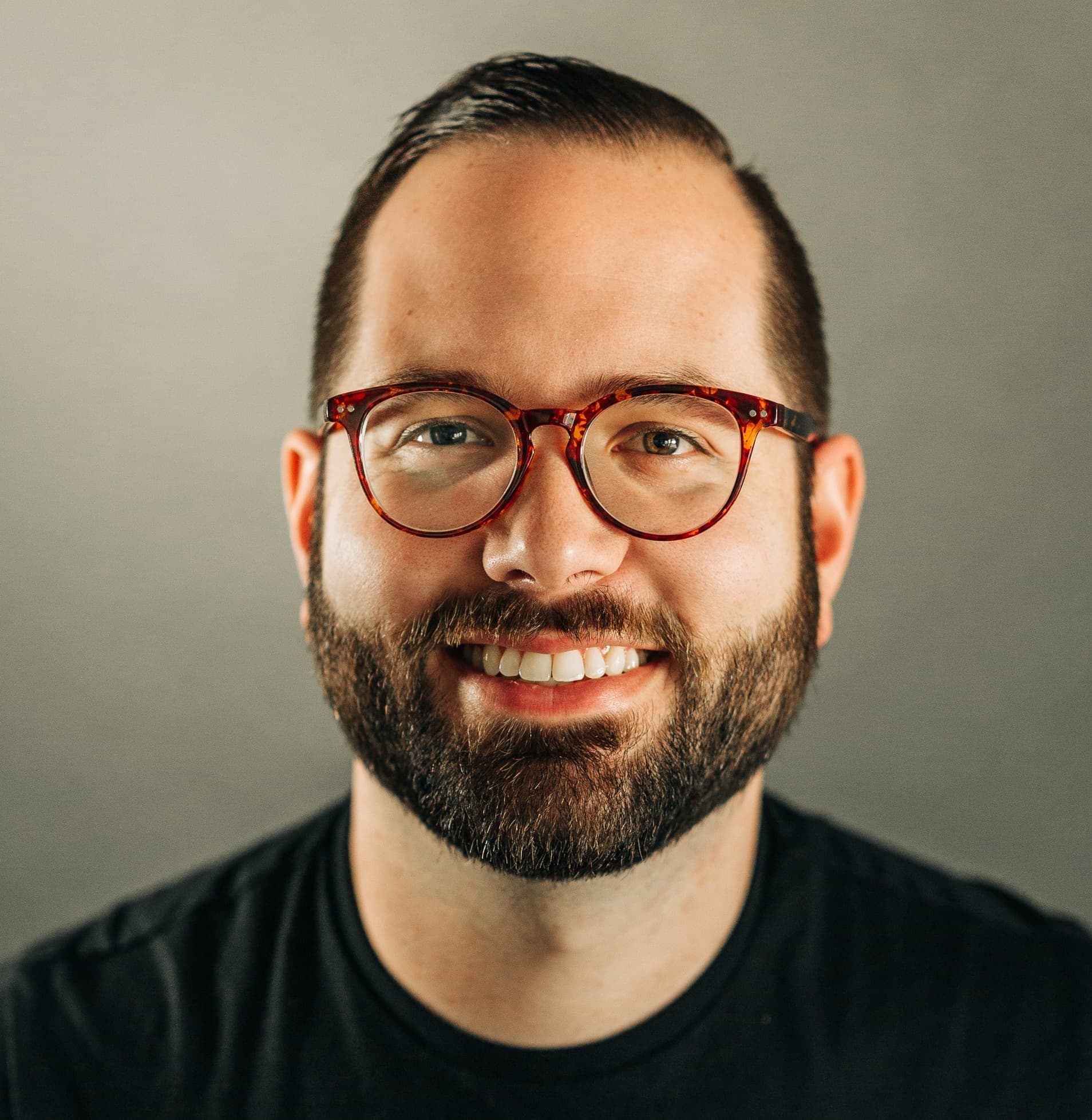
Hi! I'm a professional voiceover artist based in Orlando, Florida. I love being behind the microphone and bringing stories, scripts, and ideas to life. Whether it's a high-energy television commercial, a warm and conversational corporate explainer, a detailed eLearning module, or a long-form audiobook narration, I approach every project with the same dedication and care. Throughout my career, I've had the privilege of working with companies like Alibaba, Google, and Walmart to voice their productions and move audiences to action. I've also spent years coaching and mentoring voice actors at every stage of their careers, which has given me a deep understanding of the craft and a constant drive to refine my own performance. When it's time to create content for your business, you can trust me to deliver broadcast-quality audio on a fast turnaround. I'm easy to work with, take direction well, and genuinely care about getting every read right. That way, you can get back to doing what you do best. Let's get to work.

Looking for a polished, professional British voice that instantly lifts your project? You've come to the right place! Most messages fall flat because the delivery lacks clarity, authority or warmth or the audio just isnt good enough. A strong script deserves a voice that makes people listen. I'm a British voice actor with a warm, trustworthy RP accent and 20 years of international broadcast journalism experience. I provide broadcast-quality audio from my professional UK studio, with a streamlined, no-hassle buying process. Perfect for commercials, corporate narration, explainer videos, eLearning, medical narration, brand films and luxury content. Fast turnaround, precise editing and a smooth, reliable workflow every time. Clients including Visa, DHL, Coca-Cola, SharkNinja, Mitchum, VistaJet and more than 2,000 happy customers trust my voice to bring their stories to life. Want your project to sound credible, confident and compelling? Get in touch!

An American male voice talent based in the Nashville, Tennessee area -- not only is he a trained voice over talent, but he also has a wealth of real-world experience to add authenticity, from University teaching to military leadership. His home recording studio allows him to provide high quality audio with a quick turnaround for time-sensitive projects. Understanding that successful working relationships are just that-- relationships-- he is dedicated to providing clients with clear and constant communication, reliability, and above all else, providing the voice that makes your project stand out.
Real Numbers: What the Data Shows
A 2024 study published in the Journal of Retailing and Consumer Services (Huang et al.) tested human voiceover against AI voiceover in short video ads and found that human voices significantly reduced cognitive load and enhanced purchase intent. Viewers processed the message more easily and were more willing to buy when a real person was speaking.
The impact shows up in real-world ad performance too. A 2025 analysis of TikTok advertising data published in Information and Management ("Voices that captivate") confirmed that ads with AI-generated voiceover consistently produced lower consumer engagement than those featuring human voices.
Even voice characteristics within professional talent matter. A field study published in the Journal of Consumer Psychology (Efthymiou et al., 2024) found that matching voice qualities to the product being sold increased click-through rates from 1.79% to 2.72%, a 52% relative improvement. And research from INSEAD analyzing over 11,000 Kickstarter videos found that using multiple narrator voices correlated with approximately 39% more funding.
Nielsen's 2018 audio research further supports the case: sound drives roughly 24% of a TV ad's total sales impact, making it the second most influential creative element after brand integration.
Calculating Your Own ROI
The formula is simple:
ROI = (Additional Revenue from Lift - Cost of Voiceover) / Cost of Voiceover x 100
If your video generates $5,000 in monthly revenue at a 3% conversion rate, and a professional voiceover bumps that to 3.5%, you've added roughly $833 in monthly revenue. Against a one-time voiceover cost of $200-$500, the math is hard to argue with.
Which Videos Benefit Most from Professional Voice Talent
Not every video needs the same level of investment. Focus your voiceover budget where it will move the needle most:
Explainer and product demo videos that live on high-traffic landing pages. These are your hardest-working assets, and small conversion improvements compound over thousands of views.
Sales videos and webinar intros where trust-building happens in the first half-second.
Video ads on YouTube, Facebook, and Instagram, where you're paying per impression and every percentage point of engagement matters.
Onboarding and tutorial videos that influence retention and reduce churn.
IVR and phone system recordings where callers decide whether to stay on the line or hang up.
Internal training videos and low-stakes social content? Those can probably wait. Put your budget where conversion data is already being tracked.
Matching the Right Voice to Your Audience
A professional voiceover only lifts conversions if the voice resonates with your target viewer. A luxury skincare brand and a cybersecurity startup need fundamentally different vocal qualities. Age, gender, accent, pacing, and energy level all influence how your audience responds.
This is where working with a curated marketplace of real voice talent pays off. Rather than settling for the first freelancer who responds to a generic job post, you can audition multiple voices against your specific script and audience profile. The right match comes down to emotional alignment with the person clicking "Buy Now."
Start Measuring, Then Start Optimizing
The biggest mistake brands make with voiceover is not measuring at all. They either assume voice quality doesn't matter or assume it does without ever confirming with data. Both leave money on the table.
Set up one A/B test on your highest-traffic video. Track the results for a month. Let the conversion data tell you exactly what a professional voice is worth to your bottom line.
When you're ready to find the right voice for that test, RealVOTalent connects you with experienced, real human voice actors across every style and category. No AI-generated shortcuts. Authentic voices that build trust and drive results. Browse talent, request auditions, and start turning your video content into a measurable revenue driver.

Written by
Trevor O'Hare
Founder, RealVOTalent
Trevor is a professional voice actor who has worked in audio for over two decades and been in the voiceover industry since 2019, completing thousands of projects for Fortune 500 companies and small businesses alike. He also coaches voice talent at VOTrainer.com.
Get voiceover industry tips & insights
Join our newsletter. No spam, unsubscribe anytime.


