Hiring a Voice Actor for Your Audiobook: Royalty Share vs. Per Finished Hour
Royalty share or per finished hour? Compare audiobook narrator payment models, hidden costs, and hybrid deals before hiring a voice actor for your next title.

The Decision That Shapes Your Audiobook Budget
You've written the book. You've revised it, polished it, and finally hit publish. Now you want an audiobook version, and that means hiring a voice actor. But before you start auditioning talent, you need to answer one critical question: how are you going to pay them?
The two most common payment models in audiobook production are royalty share and per finished hour (PFH). Each comes with real tradeoffs involving cost, quality, timeline, and long-term earnings. Choosing the wrong model can cost you thousands of dollars or leave you with a narrator who isn't fully invested in your project.
Here's what you need to know before making that call.
How Per Finished Hour Pricing Works
Per finished hour means you pay the voice actor a flat rate for every hour of completed audio. If your audiobook runs eight hours and the agreed rate is $250 PFH, your total cost is $2,000. You pay once, and you keep 100% of royalties going forward.
Rates vary widely. Newer narrators might charge $100 to $200 PFH, while experienced professionals with recognizable voices and proven track records often charge $400 or more. Some top-tier talent charges $800+ PFH for commercial audiobook work.
When PFH Makes Sense
- You have an existing audience or a strong marketing plan, and you're confident the book will sell
- You want full control over your royalties with no long-term obligations
- You can afford the upfront investment and prefer a clean, one-time transaction
- Your book is in a proven genre with consistent demand, like romance, thriller, or business
The biggest advantage of PFH is simplicity. You negotiate the rate, approve the final audio, pay the invoice, and move on. There's no tracking royalties, no splitting payments, and no awkward conversations about earnings reports down the road.
How Royalty Share Works
In a royalty share arrangement, the voice actor records your audiobook for free (or at a reduced rate) in exchange for a percentage of future sales. On platforms like ACX, this typically means a 50/50 split of royalties between author and narrator.
Sounds appealing if you're on a tight budget. But there's a catch: experienced narrators rarely accept royalty share offers. Here's why. A narrator investing 30 to 50 hours of work into your audiobook is essentially gambling that the book will earn enough to justify their time. Most audiobooks sell fewer than 100 copies in their first year. At a 50/50 split, that could mean the narrator earns less than minimum wage for their effort.
When Royalty Share Makes Sense
- You're a first-time author with a limited production budget
- You're willing to accept that your narrator pool will be smaller and often less experienced
- Your book has strong series potential, and you can pitch a compelling long-term earnings case
- You're open to a hybrid model (more on that below)
Be honest with yourself about your book's sales potential. If you don't have an email list, a social media following, or a marketing plan, a royalty share deal asks a narrator to take on significant risk for uncertain reward.
Need a commercial voice for your next project?
RealVOTalent is a marketplace of verified human voice actors. Play demos, compare rates, and hire in minutes.
Featured Commercial Talent
View all →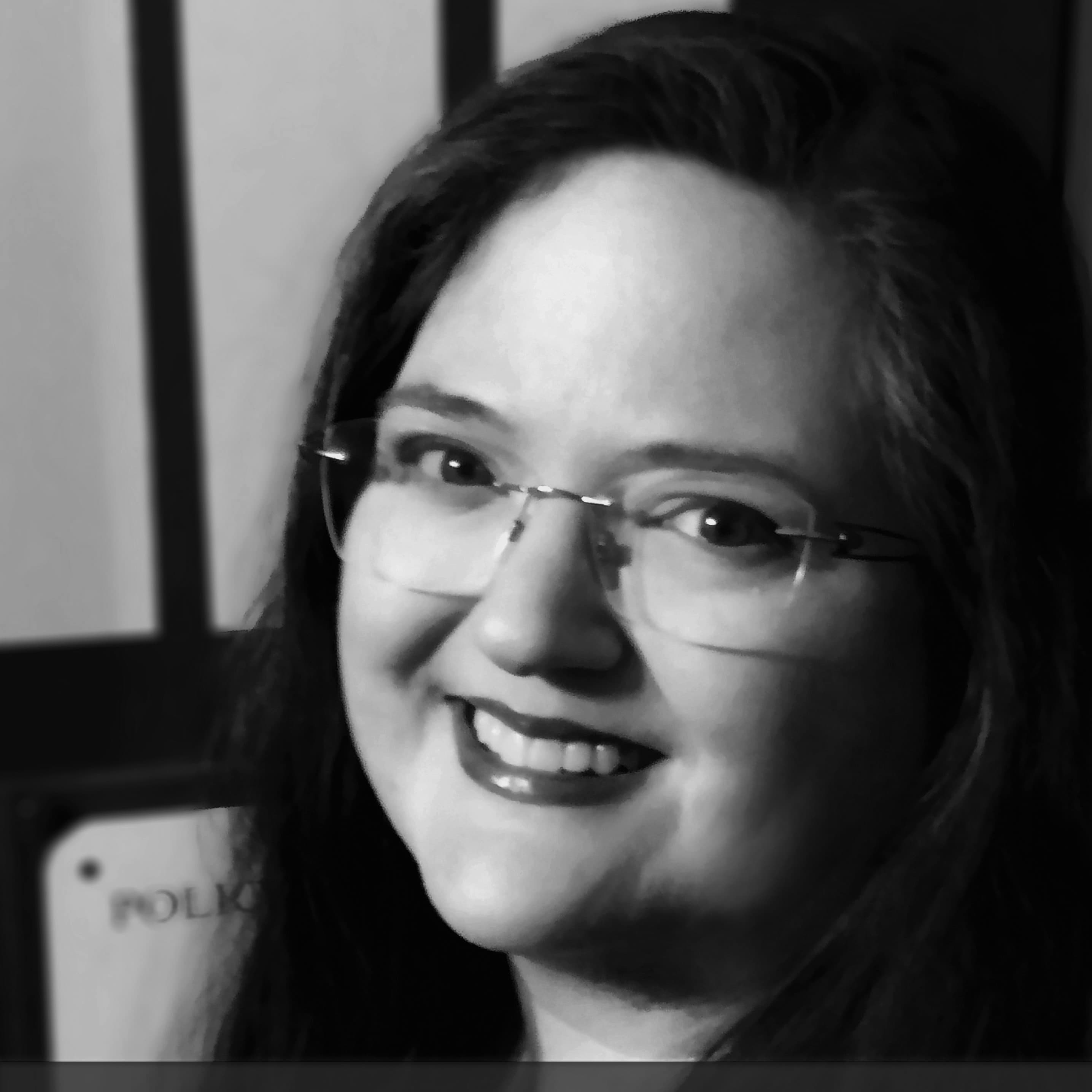
With a BA in Radio/TV/Film and eight years as an audio/video editor and production manager, I’ve lived on both sides of the recording booth—which means I know exactly what you need before you ask for it. Tight deadline? Accent-heavy script? Last-minute copy changes? I’ve been there, and I’ve got you. My performance background spans theatre training and a childhood spent recording Star Wars, Archie and Marvel comics into a tape deck (yes, really. I was six and completely obsessed). These days, I bring that same enthusiasm to everything from conversational commercial reads to character-heavy narration to professional corporate work. What you get: ∙ Authentic regional accents (French, Russian, German, UK regional variations, US Southern dialects, and many more) and a great ear for mimicry ∙ Theatre-trained performance with production-minded efficiency ∙ Professional home studio with fast turnaround ∙ Someone who actually understands what “controlled chaos” means in production I’m a full-time voice actor who genuinely loves this work. Let’s make something great together!
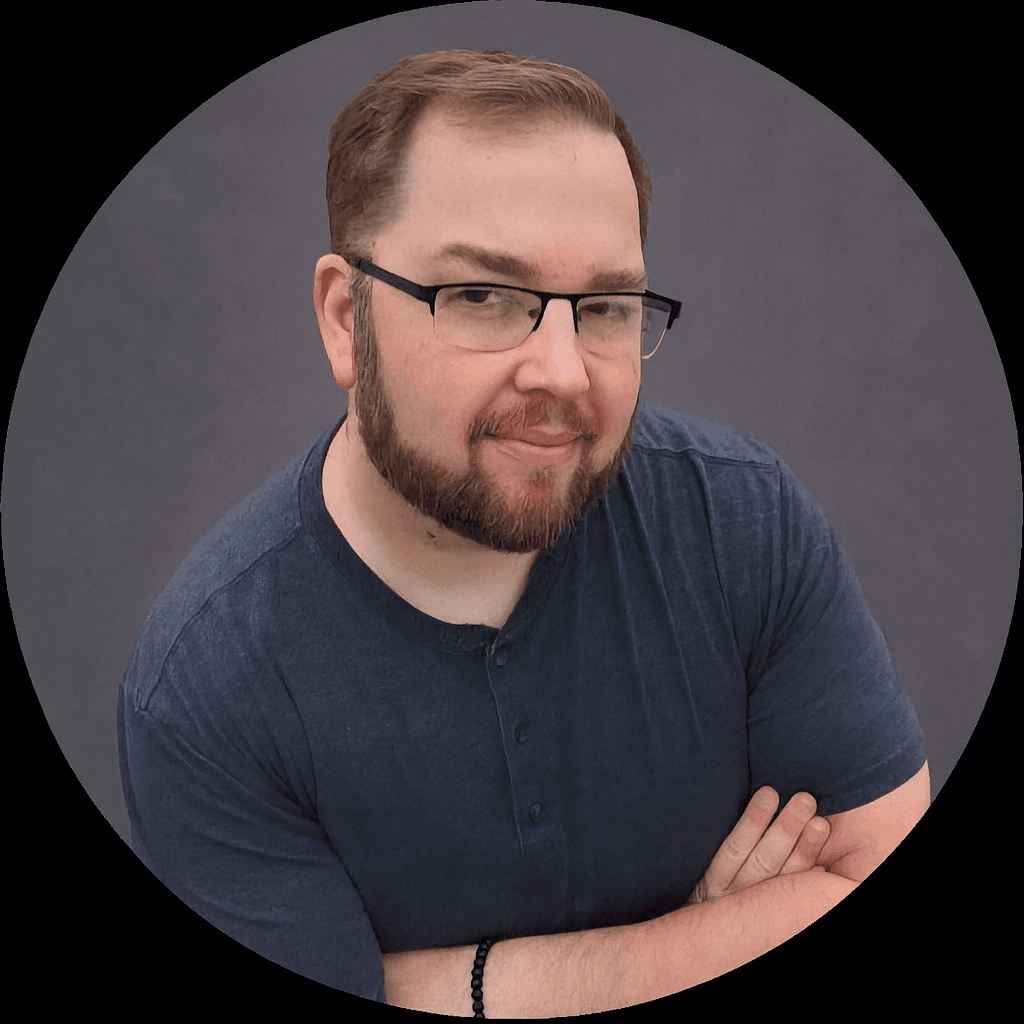
Aaron is a versatile voice actor working out of Central Florida. He works across commercial, video game, audiobook, and audio drama genres. His voice is known for its clarity, emotional precision, and a naturally heroic edge, making him well suited for both grounded storytelling and dynamic character work. He approaches each project with focus and intention, bringing thoughtful interpretation and strong connection to the material. Whether delivering high energy commercial copy, nuanced long form narration, or layered character performances, Aaron prioritizes authenticity, consistency, and emotional truth in every read. Clients and collaborators value his professionalism, adaptability, and collaborative approach in session. He takes direction well, communicates clearly, and works efficiently to support the creative vision and deliver reliable results. At the core of his work is a respect for the story and the audience. Aaron’s goal is always the same: to serve the script, honor the tone, and create performances that feel natural, compelling, and believable.
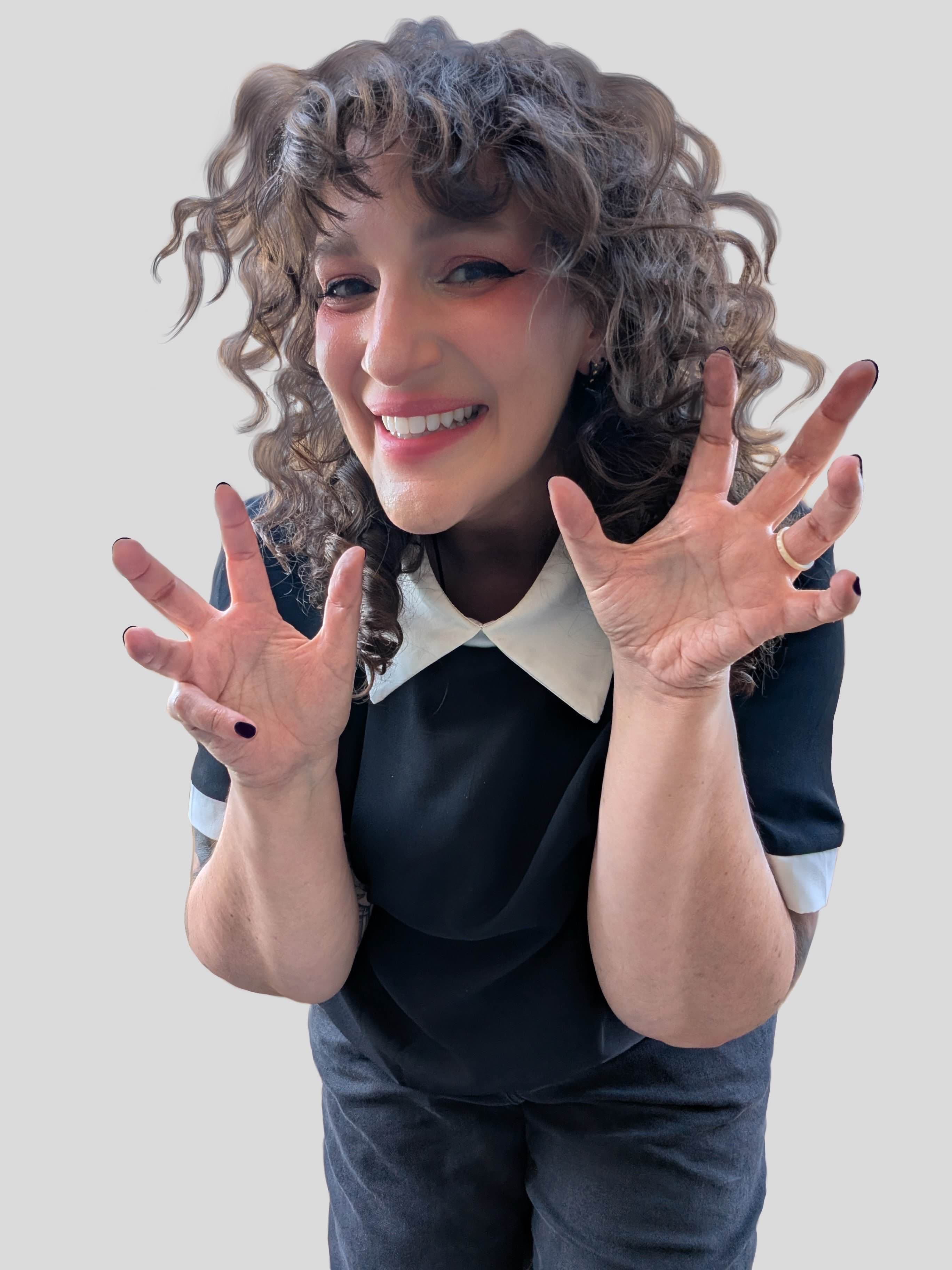
Sara is a full time American voice actor who brings energy, charisma, and playfulness to each performance. With a strong foundation in creative storytelling and clear communication, she shines in character-driven work, where she can explore bold choices, distinct personalities, and expressive range. That same sense of play also informs her commercial and narration reads, giving them a fresh, authentic feel. Her voice carries a cool, charismatic blend of Cameron Diaz and Drew Barrymore, with hints of Miley Cyrus edge and Aubrey Plaza charm. Naturally playful and emotionally agile, Sara’s sound is engaging and adaptable. Known for her collaborative, low-stress sessions and taking direction like a beast, she makes the process smooth, fun, and creatively rewarding. Performing in a custom-built, professionally sound-treated studio, Sara delivers broadcast-quality audio with quick delivery. Accent work includes general American, American (south), British RP, French, Italian, and German. Based in Central Florida with her partner and dog, Sara spends her free time playing and streaming video games, painting, and spending as much time in a hammock as possible.
The Hybrid Model: Meeting in the Middle
A growing number of authors and narrators are settling on a hybrid approach: a reduced PFH rate combined with a smaller royalty split. For example, you might pay $100 PFH plus 20% of royalties to the narrator.
This model works well because it addresses the core concern on both sides. The narrator gets guaranteed compensation for their time, and the author keeps upfront costs manageable while still offering the narrator upside if the book sells well.
Hybrid deals also tend to attract better talent than pure royalty share. A narrator who sees some guaranteed income is more likely to bring their best work to the booth, knowing the project respects their time and skill.
Structuring a Fair Hybrid Deal
- Calculate your total finished hours (most narrators estimate 2 to 3 hours of production time per finished hour)
- Offer a base PFH rate that covers at least the narrator's studio costs and basic time investment
- Agree on a royalty percentage that reflects the reduced upfront payment
- Put everything in a written contract with clear terms about reporting, payment schedules, and duration
What Most First-Time Authors Get Wrong
The biggest mistake authors make is treating narrator compensation as an afterthought. They finish writing the book, realize they want an audiobook, and then scramble to find the cheapest option. This approach almost always leads to one of two outcomes: a subpar narration that hurts the book's reputation, or a frustrated narrator who deprioritizes the project.
Another common error is underestimating the narrator's workload. Recording an audiobook isn't just reading aloud. Professional narrators prep the manuscript, research pronunciations, develop distinct character voices, record in a treated studio, edit the raw audio, and master it to platform specifications. A 10-hour audiobook can easily require 40 or more hours of total labor.
Respect that work. Approach the relationship as a professional partnership regardless of the payment model.
How to Decide: A Quick Framework
Ask yourself these three questions before choosing a payment model:
- What's my budget right now? If you can afford $1,500 to $4,000 upfront, PFH gives you the most control and the widest talent pool. If not, consider hybrid or royalty share.
- How confident am I in this book's sales? If you have a proven track record or a built-in audience, keeping your royalties through a PFH deal will pay off over time. If this is your debut, sharing royalties lowers your financial risk.
- How important is narrator quality? The best narrators work PFH or hybrid. Pure royalty share limits your options. If the narration quality matters to your brand (and it should), budget accordingly.
There's no universally correct answer. But going in with clear expectations and a fair offer will always get you better results than trying to cut corners.
Find the Right Voice for Your Audiobook
Whatever payment model you choose, the narrator you hire will become the voice of your book. Listeners will associate their performance with your words, your characters, and your brand. That's a decision worth taking seriously.
At RealVOTalent, every voice actor on the platform is a real, verified human professional. No AI-generated voices, no guesswork. Browse talent by genre, style, and experience level to find the narrator who fits your project and your budget. You'll connect with voice actors who are ready to bring your audiobook to life, no matter the deal structure.

Written by
Trevor O'Hare
Founder, RealVOTalent
Trevor is a professional voice actor who has worked in audio for over two decades and been in the voiceover industry since 2019, completing thousands of projects for Fortune 500 companies and small businesses alike. He also coaches voice talent at VOTrainer.com.
Get voiceover industry tips & insights
Join our newsletter. No spam, unsubscribe anytime.


