Budgeting 101: Understanding Professional Voiceover Rates for Small Businesses
From phone greetings to explainer videos, here's exactly what professional voiceover costs, and 4 strategies small businesses use to stretch every dollar.

Why Your First Voiceover Quote Might Surprise You
You've finally decided your small business needs professional voiceover work. Maybe it's for a phone system greeting, an explainer video, or a series of social media ads. You search online, request a few quotes, and then, sticker shock. Or maybe the opposite happens: you find rates so low they seem too good to be true (and they probably are).
The truth is, professional voiceover pricing follows a logic that makes perfect sense once you understand it. And for small businesses working with real budgets, knowing how rates work puts you in control. You'll spend smarter, negotiate with confidence, and get results that move the needle for your brand.
What Determines Voiceover Rates
Voiceover pricing isn't pulled from thin air. Several concrete factors shape what a voice actor charges, and understanding them helps you compare quotes fairly.
Usage Rights and Distribution
This is the single biggest factor most small business owners overlook. A voiceover recorded for an internal training video costs far less than one airing as a national television commercial. Usage rights reflect how many people will hear the recording and for how long. A local radio spot running for three months carries a different value than a YouTube pre-roll ad with unlimited global reach.
Think of it like licensing a photograph. The image itself doesn't change, but the price scales with how widely you distribute it.
Project Length and Complexity
A 30-second phone greeting takes less studio time than a 10-minute e-learning module. Most voice actors price by the finished minute of audio or by the word count of the script. Longer projects often come with volume discounts, so bundling multiple scripts into one session can save you money.
Turnaround Time
Tomorrow deadlines come with rush fees. Standard turnaround is typically 48 to 72 hours. If your project timeline allows flexibility, you'll almost always get better rates and a wider selection of available talent.
Typical Rate Ranges for Common Small Business Projects
While every project is unique, here are realistic ballpark ranges to help you plan your budget:
Phone system greetings and IVR: $100 – $350 for a standard set of prompts
Explainer videos (1–2 minutes): $250 – $750 depending on usage scope
Social media ads (15–60 seconds): $150 – $500 per spot
E-learning and training narration: $200 – $500 per finished hour of audio
Radio and podcast ads: $200 – $600 depending on market size and run length
These ranges assume non-union talent with professional home studios, which is exactly where most small businesses find their best value. Rates climb when projects require union talent, in-studio sessions, or broad broadcast rights.
Where Small Businesses Waste Money (and How to Avoid It)
Budget-conscious doesn't mean cutting corners. It means spending strategically. Here are the most common pitfalls.
Choosing on Price Alone
The cheapest quote often costs you more in the long run. A $50 voiceover that sounds flat or unprofessional forces you to re-record, doubling your expense and delaying your project. Experienced voice talent delivers polished audio in fewer takes, often with their own professional editing included.
Need a commercial voice for your next project?
RealVOTalent is a marketplace of verified human voice actors. Play demos, compare rates, and hire in minutes.
Featured Commercial Talent
View all →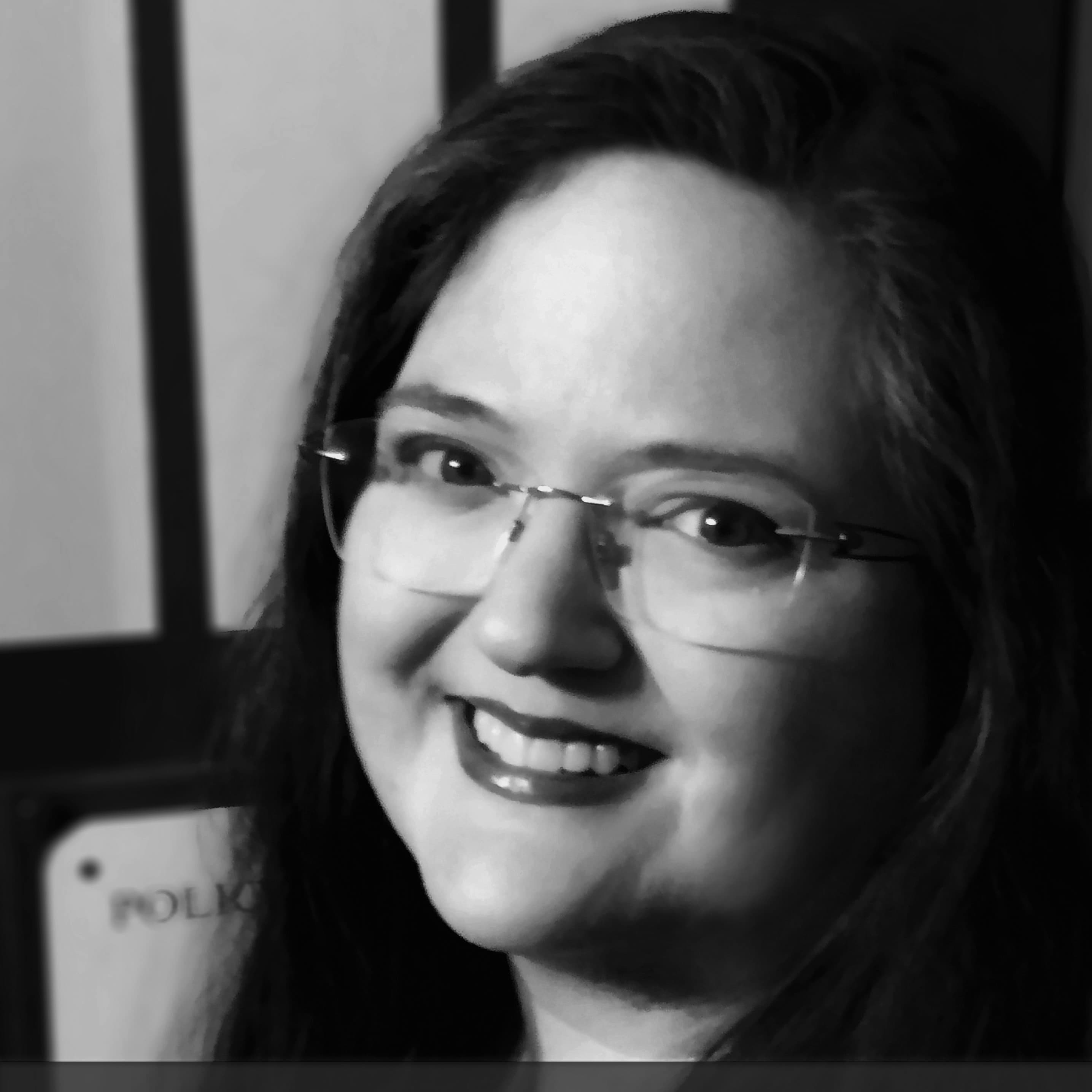
With a BA in Radio/TV/Film and eight years as an audio/video editor and production manager, I’ve lived on both sides of the recording booth—which means I know exactly what you need before you ask for it. Tight deadline? Accent-heavy script? Last-minute copy changes? I’ve been there, and I’ve got you. My performance background spans theatre training and a childhood spent recording Star Wars, Archie and Marvel comics into a tape deck (yes, really. I was six and completely obsessed). These days, I bring that same enthusiasm to everything from conversational commercial reads to character-heavy narration to professional corporate work. What you get: ∙ Authentic regional accents (French, Russian, German, UK regional variations, US Southern dialects, and many more) and a great ear for mimicry ∙ Theatre-trained performance with production-minded efficiency ∙ Professional home studio with fast turnaround ∙ Someone who actually understands what “controlled chaos” means in production I’m a full-time voice actor who genuinely loves this work. Let’s make something great together!

Hi! I'm a professional voiceover artist based in Orlando, Florida. I love being behind the microphone and bringing stories, scripts, and ideas to life. Whether it's a high-energy television commercial, a warm and conversational corporate explainer, a detailed eLearning module, or a long-form audiobook narration, I approach every project with the same dedication and care. Throughout my career, I've had the privilege of working with companies like Alibaba, Google, and Walmart to voice their productions and move audiences to action. I've also spent years coaching and mentoring voice actors at every stage of their careers, which has given me a deep understanding of the craft and a constant drive to refine my own performance. When it's time to create content for your business, you can trust me to deliver broadcast-quality audio on a fast turnaround. I'm easy to work with, take direction well, and genuinely care about getting every read right. That way, you can get back to doing what you do best. Let's get to work.

Jackson is a professional voice actor with a warm, engaging, and authentic North American voice. His sound ranges from friendly and conversational to confident and grounded, making him a strong fit for commercials, narration, e-learning, IVR, and character work. Known for a natural, relatable delivery and clear articulation, Jackson brings a real-person feel to every read while adapting easily to brand tone and direction. He records from a professional home studio and prides himself on reliability, fast turnaround, and collaborative communication.
Over-Buying Usage Rights
If your explainer video lives on your website and YouTube channel, you don't need broadcast rights. Be specific about where and how long you'll use the audio. Many voice actors offer tiered pricing, so you only pay for the distribution you need. You can always extend or upgrade rights later if your campaign scales.
Skipping the Creative Brief
A vague direction like "make it sound professional" leads to revisions, and revisions cost time and money. Before you reach out to talent, nail down the tone, pacing, and audience. Is the read warm and conversational? Authoritative and corporate? Energetic and youthful? A clear brief gets you closer to the right take on the first pass.
Smart Budgeting Strategies That Work
Small businesses that get the most from their voiceover investment tend to follow a few consistent practices.
Bundle your projects. If you know you'll need a phone greeting, two explainer videos, and a podcast intro this quarter, approach talent with the full scope. Most voice actors offer package pricing that saves 10–20% over booking each project separately.
Build a relationship with one or two voice actors. Repeat clients often receive preferred rates and faster turnaround. Your talent already knows your brand voice, which means fewer revisions and more consistent results across all your content.
Plan ahead. Rush fees are real and avoidable. Build voiceover into your content calendar the same way you schedule design or copywriting work.
Request auditions or demos first. Reputable marketplaces let you hear samples before committing. This prevents costly mismatches and ensures the voice fits your brand before you spend a dollar.
Why Human Voice Talent Is Worth the Investment
With AI-generated voice tools flooding the market, it might be tempting to skip professional talent entirely. But here's what those tools can't replicate: genuine human connection. A real voice actor brings nuance, emotion, and authenticity that audiences instinctively trust. They adjust pacing on the fly, interpret your script with creative intelligence, and deliver the kind of warmth that makes people listen.
For a small business, trust is everything. Your voiceover is often the first impression a customer gets (on hold, in an ad, or watching a product demo). That impression should sound like a real person who believes in what they're saying, because they are one.
Start Your Next Project with Confidence
Budgeting for professional voiceover doesn't have to feel like guesswork. When you understand what drives pricing (usage, length, turnaround, and talent experience), you can allocate your dollars where they'll have the greatest impact.
Find the right voice for your business without overpaying or settling. RealVOTalent connects you directly with experienced, professional human voice actors who understand small business needs. Browse talent, hear demos, and get quotes that fit your budget, all in one place. Visit RealVOTalent.com and give your brand the voice it deserves.

Written by
Trevor O'Hare
Founder, RealVOTalent
Trevor is a professional voice actor who has worked in audio for over two decades and been in the voiceover industry since 2019, completing thousands of projects for Fortune 500 companies and small businesses alike. He also coaches voice talent at VOTrainer.com.
Get voiceover industry tips & insights
Join our newsletter. No spam, unsubscribe anytime.


