The 'Valley of the Uncanny': When AI Voiceovers Damage Brand Trust
AI voiceovers are crossing into the uncanny valley and quietly destroying brand trust. Here's what listeners notice and how to protect your audio.

The Moment Listeners Stop Trusting Your Brand
A listener hears your ad. Something feels off. They can't quite name it, but the voice has a smoothness that doesn't belong, a cadence that hits every beat a beat too perfectly. By the time the call-to-action arrives, they've already stopped paying attention. Worse, they've quietly logged your brand as inauthentic.
This is the valley of the uncanny in audio form. Synthetic voices have crossed the threshold where they sound almost human, but the "almost" is doing real damage. Brands chasing efficiency with AI voiceovers are discovering that listeners notice, and when they notice, they distrust.
What the Uncanny Valley Sounds Like
The uncanny valley was originally a robotics concept describing the discomfort people feel when something is nearly human, but not quite. In voiceover, the same effect appears in breathing patterns that never vary, emotional beats that land without the micro-hesitations of a thinking person, and emphasis placed on syllables that no native speaker would stress.
AI voices have improved dramatically, but improvement in this space is a trap. The better the fake gets, the more the remaining flaws stand out. A robotic text-to-speech voice from 2015 was obviously a machine, and listeners forgave it. A 2026 synthetic voice that nails most of human speech pulls the listener in, then breaks the spell with what's missing.
Common Tells That Expose AI Audio
- Unnatural pauses before or after punctuation that a human would read through
- Identical pronunciation of a word repeated within the same script
- Emotional tone that stays flat across happy, urgent, and serious copy
- Breath sounds that loop or appear in places no speaker would inhale
- Mispronounced proper nouns, brand names, or industry terms
Why Trust Erodes Faster Than You Think
Listeners rarely announce their suspicion. They don't email the brand to say "that voice sounded fake." They just don't buy. Research published on the RealVOTalent AI voice sentiment page tracks consumer reactions to synthetic voiceovers across advertising, customer service, and educational content, and the pattern is consistent: audiences who detect AI narration report lower purchase intent and reduced brand credibility.
The damage compounds in categories where trust is the product itself. Financial services, healthcare, legal advice, education, and any B2B offering that depends on authority all suffer disproportionately when the voice delivering the message feels manufactured. If the narrator isn't real, what else about the company isn't?
The Customer Service Backfire
Brands that replaced phone trees with conversational AI voices expecting a premium experience often got the opposite. Callers detect the synthetic tone within seconds, and any frustration with the system now attaches to the brand rather than to "the robot." A human agent reading from a script generates more goodwill than a polished AI voice reading the same words.
Need a commercial voice for your next project?
RealVOTalent is a marketplace of verified human voice actors. Play demos, compare rates, and hire in minutes.
Featured Commercial Talent
View all →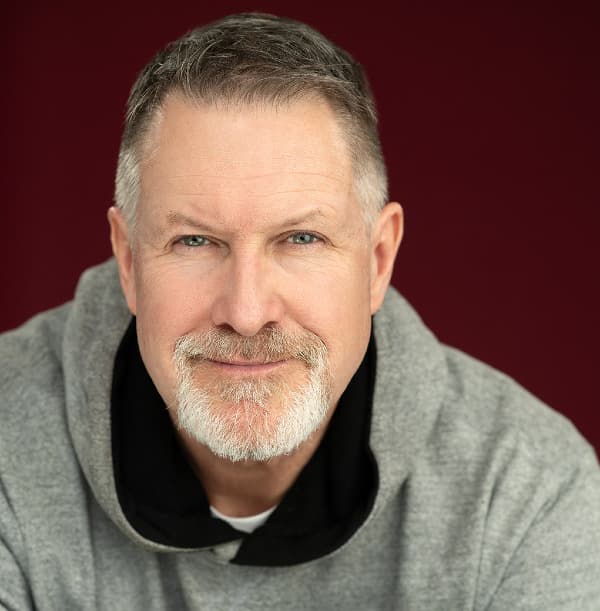
Todd has worked many of top Global Brands, including Coca-Cola, L'Oreal Paris, Cisco, Renewal by Anderson, Coast Appliances, Clam Outdoors, UNC Healthcare, Benny and Company, Shoeless Joe's and many, many more. Todd has agency representation in both Vancouver and Montreal and is also available for Non-Union projects. Todd loves what he does and he is always ready and willing to help his clients get exactly what they want and need. Todd records from his Broadcast quality Studio in Victoria, Canada with only the highest quality equipment and can usually provide Broadcast quality recordings in 24 hours.

Aaron is a versatile voice actor working out of Central Florida. He works across commercial, video game, audiobook, and audio drama genres. His voice is known for its clarity, emotional precision, and a naturally heroic edge, making him well suited for both grounded storytelling and dynamic character work. He approaches each project with focus and intention, bringing thoughtful interpretation and strong connection to the material. Whether delivering high energy commercial copy, nuanced long form narration, or layered character performances, Aaron prioritizes authenticity, consistency, and emotional truth in every read. Clients and collaborators value his professionalism, adaptability, and collaborative approach in session. He takes direction well, communicates clearly, and works efficiently to support the creative vision and deliver reliable results. At the core of his work is a respect for the story and the audience. Aaron’s goal is always the same: to serve the script, honor the tone, and create performances that feel natural, compelling, and believable.

Teresa is a full-time voice actor with a custom, broadcast-ready studio & an award winning stage actor. From performing engaging corporate reads straight to a bff commercial and on to a few wild, off-the wall characters... that's a Tuesday in this studio- you are covered. She has her BA in acting and wrote and directed children's plays/musicals for almost a decade. You'll find a creative collaborator who loves to dig in to copy and play. Believable performances, fast deliveries and dependable communication are what people expect and receive from Teresa. She found a love for voice acting when she connected the dots and realized this was her path to work from home! Added bonus: she has more time for video games (aka: Teresa is an excellent choice for video game characters). Growing up in the Midwest, Teresa has a neutral accent that fits into a wide range of styles. However, if an accent is called for, she's trained with world renowned dialecticians and performed leading roles on stage in British RP and Estuary as well as Irish (Dublin). With a capable ear, volumes upon volumes of resources and her dialectician coach a zoom call away- she's capable of almost any accent performed authentically. Teresa’s voice has been described as authentic, warm, dynamic, authoritative, sincere, trustworthy, energetic, fresh, friendly and relatable.
Real-World Cases Where AI Voice Backfired
In 2024, a major podcast network tested AI-narrated host-read ads to scale production. Listener complaints and skip rates rose sharply, and several advertisers pulled campaigns after noticing engagement drops compared to their human-read counterparts. The experiment quietly ended.
Streaming services that introduced AI-generated voice narration for audiobook previews faced similar pushback. Audible and other platforms have publicly addressed consumer concerns about AI narration, and listener advocacy groups continue to push for clear labeling when synthetic voices are used. The signal from the market is clear: audiences treat voice authenticity as a quality indicator.
Even content creators experimenting with AI clones of their own voices have reported audience drop-off. The voice is technically theirs, but the performance isn't, and listeners hear the difference.
What Human Voice Actors Actually Do
AI can't quite close the gap for reasons that go beyond the technical. A working voice actor does dozens of things the listener never consciously registers. They read the room of the copy, soften a hard sell, add warmth where the writing is dry, emphasize the word the client didn't know they needed emphasized. They bring interpretation on top of pronunciation.
Craft That Doesn't Translate to Code
- Subtext: A line like "we've been doing this for 30 years" can be read as boastful, humble, or reassuring. The actor picks one.
- Script adjustment: Professionals flag awkward phrasing, typos, or lines that won't read cleanly aloud before you waste a take.
- Brand consistency: A relationship with a specific voice actor means your next spot sounds like it belongs to the same company as the last one.
- Cultural fluency: Regional accents, generational references, and industry jargon get handled correctly the first time.
- Revisions with judgment: An actor can take direction like "less salesy" or "more like a friend explaining something," translate it, and deliver.
How to Protect Brand Trust in Your Audio
AI voice technology will keep improving. The real question is whether your audience's ability to detect it is improving faster, and the evidence suggests it is. Consumers are training themselves to spot synthetic audio the same way they learned to spot stock photography.
Practical steps for protecting your brand:
- Reserve human voice talent for any content touching a purchase decision, a trust claim, or a brand promise
- If you must use synthetic voices, disclose it clearly to avoid the betrayal effect when listeners figure it out
- Audit existing audio assets for uncanny moments before they age into liabilities
- Build relationships with voice actors who can return for pickup sessions, sequels, and updates in the same voice
- Measure completion rates, skip rates, and conversion on audio content the same way you measure video
Choose a Voice Your Audience Will Believe
Brand trust is built in increments and lost in seconds. The few dollars saved by generating a synthetic voiceover evaporate the moment a listener's instinct flags the audio as fake. Every subsequent message from that brand then carries the same suspicion, whether it was AI-generated or not.
RealVOTalent connects you directly with real human voice actors, never AI clones or synthetic voices. Browse authentic talent, hear genuine performances, and commission work that your audience will trust. Visit RealVOTalent.com to find a voice that sounds like a person because it is one.

Written by
Trevor O'Hare
Founder, RealVOTalent
Trevor is a professional voice actor who has worked in audio for over two decades and been in the voiceover industry since 2019, completing thousands of projects for Fortune 500 companies and small businesses alike. He also coaches voice talent at VOTrainer.com.
Get voiceover industry tips & insights
Join our newsletter. No spam, unsubscribe anytime.


