The Definitive Guide to Hiring Narration for Medical and Technical Content
Mispronounced drug names kill credibility. Here's how to find and hire voice talent who can handle complex medical and technical scripts with precision.

Why Medical and Technical Narration Demands a Different Kind of Voice
A mispronounced drug name in a patient education video sounds unprofessional and erodes trust. A stumbled-over explanation of a surgical procedure can confuse clinicians and put compliance at risk. Medical and technical content carries higher stakes than most narration work, and hiring the wrong voice talent can turn a critical training module or product explainer into an expensive reshoot.
Pharmaceutical training videos, medical device tutorials, continuing education courses, and technical product documentation all demand the right narrator. This guide walks you through exactly how to find, evaluate, and hire narration talent who can deliver complex material with clarity, accuracy, and confidence.
Understanding What Makes Medical and Technical Narration Unique
Not every voice actor can handle medical or technical scripts. The vocabulary alone presents a significant barrier. Terms like bronchodilator, pharmacokinetics, or hemodynamic monitoring require more than a quick dictionary check. They demand familiarity with how those words are used in clinical settings and the ability to say them naturally, without hesitation or obvious effort.
Beyond pronunciation, this type of narration requires a specific vocal quality. The tone must convey authority and trustworthiness without sounding cold or robotic. Listeners need to feel that the person speaking understands the material well enough to discuss it naturally.
The Three Pillars of Great Medical Narration
- Accuracy: Every term, acronym, and dosage reference must be pronounced correctly. One mistake can undermine the credibility of an entire program.
- Clarity: Complex ideas need to land clearly on the first listen. Pacing, emphasis, and breath control all contribute to comprehension.
- Tone: The voice should match the audience. A patient-facing explainer calls for warmth and reassurance. A clinician training module needs precision and directness.
How to Evaluate Voice Talent for Specialized Content
Casting for medical and technical narration is not the same as casting for a commercial or audiobook. A voice that sounds fantastic selling running shoes may fall apart when reading a passage about left ventricular assist devices.
Request a Custom Audition with Real Terminology
Don't rely solely on a narrator's demo reel. Provide a short sample of your actual script, or one similar in complexity, and ask candidates to record a cold read. This reveals how they handle unfamiliar terminology under realistic conditions. Listen for smooth delivery, natural phrasing, and correct pronunciation without coaching.
Ask About Relevant Experience
Voice actors who have narrated pharmaceutical training, continuing medical education (CME), or technical documentation will already know the rhythms and expectations of this type of work. Ask specifically about past projects in healthcare, biotech, engineering, or scientific fields. Experienced narrators will also understand compliance requirements and the review cycles that come with regulated content.
Test for Directed Flexibility
Medical and technical projects often go through multiple rounds of revision. A great narrator takes direction well and can adjust pacing, emphasis, or tone between takes without losing consistency. During auditions, give a simple redirect ("Try that paragraph with a slightly warmer tone" or "Pick up the pace in the second sentence") and see how quickly they adapt.
Matching the Voice to Your Audience
One of the most common mistakes in hiring medical narration is treating it as one category. The voice that works for a patient education app is very different from the voice that works for a surgical training video. Before you start casting, define your audience clearly.
Need a commercial voice for your next project?
RealVOTalent is a marketplace of verified human voice actors. Play demos, compare rates, and hire in minutes.
Featured Commercial Talent
View all →
Hi! I'm a professional voiceover artist based in Orlando, Florida. I love being behind the microphone and bringing stories, scripts, and ideas to life. Whether it's a high-energy television commercial, a warm and conversational corporate explainer, a detailed eLearning module, or a long-form audiobook narration, I approach every project with the same dedication and care. Throughout my career, I've had the privilege of working with companies like Alibaba, Google, and Walmart to voice their productions and move audiences to action. I've also spent years coaching and mentoring voice actors at every stage of their careers, which has given me a deep understanding of the craft and a constant drive to refine my own performance. When it's time to create content for your business, you can trust me to deliver broadcast-quality audio on a fast turnaround. I'm easy to work with, take direction well, and genuinely care about getting every read right. That way, you can get back to doing what you do best. Let's get to work.
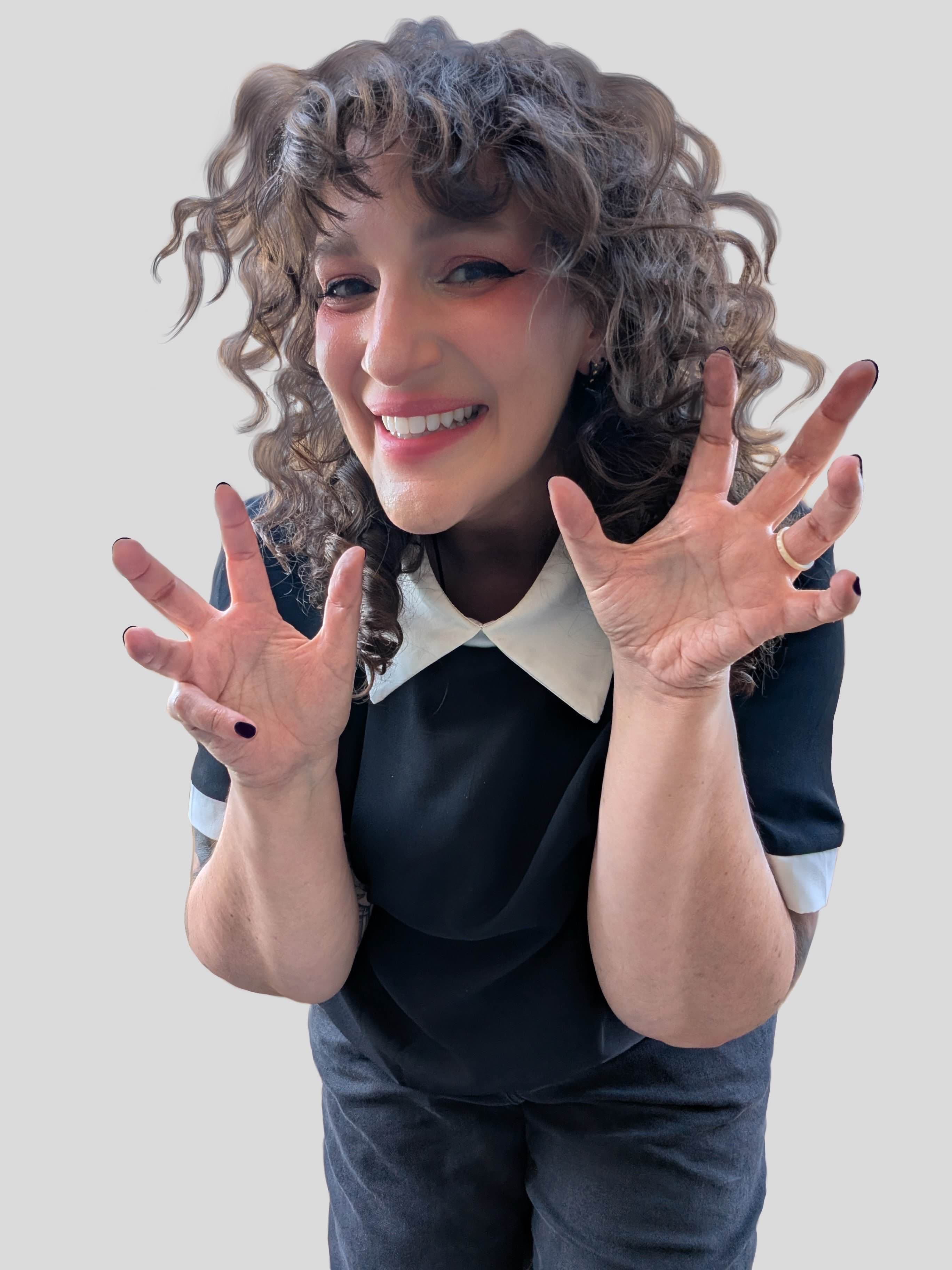
Sara is a full time American voice actor who brings energy, charisma, and playfulness to each performance. With a strong foundation in creative storytelling and clear communication, she shines in character-driven work, where she can explore bold choices, distinct personalities, and expressive range. That same sense of play also informs her commercial and narration reads, giving them a fresh, authentic feel. Her voice carries a cool, charismatic blend of Cameron Diaz and Drew Barrymore, with hints of Miley Cyrus edge and Aubrey Plaza charm. Naturally playful and emotionally agile, Sara’s sound is engaging and adaptable. Known for her collaborative, low-stress sessions and taking direction like a beast, she makes the process smooth, fun, and creatively rewarding. Performing in a custom-built, professionally sound-treated studio, Sara delivers broadcast-quality audio with quick delivery. Accent work includes general American, American (south), British RP, French, Italian, and German. Based in Central Florida with her partner and dog, Sara spends her free time playing and streaming video games, painting, and spending as much time in a hammock as possible.

Kitty is a classically trained actress and in-demand Voice Over Artist who helps brands and creators connect with their audiences through warmth, emotion, and unforgettable character work. Her versatile character range includes everything from precocious toddlers and quirky princesses to sharp-witted seniors, giving clients the flexibility to cast one voice that can do it all. Global brands like Toyota, Coca-Cola, Audi, Burger King, AMC Theatres, Volkswagen, the U.S. National Park Service, and Pearson, trust Kitty to deliver consistent, broadcast-ready performances that align seamlessly with their brand voice and messaging goals. With hundreds of roles across video games and mobile apps such as Popeye Solitaire Grand Harvest (Olive Oyl), Dune: Spice Wars, Northgard, AFK Arena, and Battle Bears Heroes, Kitty helps developers create immersive worlds and memorable characters that keep players engaged and coming back. As a skilled Audiobook Narrator, Kitty partners with authors and publishers to transform stories into compelling listening experiences for both adult and youth audiences. Her titles are available on Audible and other major platforms. Recording from her professionally sound-treated home studio on the Jersey Shore, Kitty provides clients with fast turnaround, pristine audio quality, and reliable remote collaboration.
Patient-Facing Content
Videos, apps, and modules designed for patients and caregivers need a voice that feels approachable and calming. The narrator should sound like a trusted guide, not a lecturer. Warmth matters here. So does the ability to simplify complex information without sounding condescending.
Clinician and Professional Training
Healthcare professionals expect a different register. The narration should be efficient, precise, and free of unnecessary softening. Clinicians want information delivered at a pace that respects their expertise. A narrator who sounds overly casual or who over-explains basic concepts will lose this audience fast.
Technical Product Documentation
For engineering manuals, software walkthroughs, or device setup guides, the priority is step-by-step clarity. The best narrators for this work have an almost instructional quality. They can make a list of sequential actions sound logical and easy to follow, even when the content is dense.
Why Human Narration Matters More in Medical Content
AI-generated voices have become more common across many industries, but medical and technical content is one area where human narration remains essential. The reasons go beyond audio quality.
Trust is the core issue. Patients listening to information about their diagnosis, treatment options, or medication instructions need to feel a human connection. A synthetic voice, no matter how polished, introduces a layer of detachment that can reduce engagement and retention. For regulated content, the stakes are even higher. A human narrator can apply judgment to emphasis and pacing in ways that shape understanding. Misplaced stress on a word or a flat reading of a critical warning can change how information is received.
Additionally, many healthcare organizations and pharmaceutical companies have internal policies or compliance frameworks that require human-produced audio for patient-facing and clinical materials. Before considering any AI alternative, check your organization's specific guidelines.
The Hiring Process: From Script to Final Delivery
Once you've identified the right talent, a structured process keeps the project on track and minimizes costly revisions.
- Prepare a pronunciation guide. List every specialized term in the script with a phonetic breakdown. Include brand names, drug names, anatomical terms, and acronyms with their preferred spoken form. This single step prevents most recording errors.
- Clarify usage rights upfront. Will the narration appear in internal training only, or will it be distributed externally? Will it be used in multiple countries? Licensing terms affect pricing and should be agreed upon before recording begins.
- Build in a review cycle. For regulated content, plan for at least one round of revisions. Medical, legal, and regulatory teams often need to approve final audio, and having pickup sessions built into the contract saves time and budget.
- Establish file delivery specs. Define audio format (WAV or MP3), sample rate, bit depth, and file naming conventions before the first recording session. This avoids reformatting delays during post-production.
Find the Right Voice for Your Next Medical or Technical Project
Hiring narration for medical and technical content requires more care than a typical voiceover casting call. The right narrator brings subject matter familiarity, pronunciation accuracy, and the vocal control to match your audience's expectations. The wrong one costs you time, credibility, and budget.
At RealVOTalent, every voice on the platform belongs to a real, verified human professional. You can browse talent with specific experience in medical narration, pharmaceutical training, technical documentation, and more. No AI-generated voices. No guesswork. Skilled narrators ready to bring your most demanding scripts to life. Visit RealVOTalent.com to start your search today.

Written by
Trevor O'Hare
Founder, RealVOTalent
Trevor is a professional voice actor who has worked in audio for over two decades and been in the voiceover industry since 2019, completing thousands of projects for Fortune 500 companies and small businesses alike. He also coaches voice talent at VOTrainer.com.
Get voiceover industry tips & insights
Join our newsletter. No spam, unsubscribe anytime.


