
Finding the Perfect Voice for Animated Characters and Explainer Mascots
The right voice actor turns a sketch into a character audiences remember. Here's how to cast animated characters and explainer mascots that connect.
Why the Voice Behind the Character Matters More Than the Design
Think about the last animated character that stuck with you. Maybe it was a quirky mascot in an explainer video or a beloved cartoon figure you grew up watching. Now try to imagine that character with a completely different voice. It doesn't work. That's because voice acting is the invisible thread that turns a flat illustration into a personality audiences remember, trust, and connect with.
Casting the right voice actor for an animated series, brand mascot, or e-learning character is one of the most consequential creative decisions you'll make. Get it right, and your character becomes iconic. Get it wrong, and even the best animation falls flat.
Understanding Your Character Before You Cast
Before you start listening to auditions, you need a crystal-clear picture of who your character is. A voice actor can only bring a character to life if the character has a life worth bringing.
Build a Character Profile First
Start by answering these foundational questions:
- What is the character's age range and personality type?
- Are they authoritative, playful, sarcastic, warm, or eccentric?
- Who is the target audience: children, corporate professionals, general consumers?
- What emotion should the audience feel when this character speaks?
- Does the character need to convey expertise, humor, empathy, or excitement?
A tech startup's explainer mascot needs an entirely different vocal energy than a children's cartoon sidekick. The mascot might call for a friendly, conversational tone that simplifies complex ideas, while the sidekick demands range, physicality, and comedic timing. Skipping this step is how brands end up with a voice that technically sounds fine but emotionally misses the mark.
What Separates Great Character Voice Acting from the Rest
Reading lines in a funny accent isn't voice acting. True character work requires a performer who can inhabit a role, sustaining personality, emotion, and consistency across every line of dialogue, whether it's a 30-second explainer clip or a 40-episode animated series.
Consistency Is Non-Negotiable
One of the biggest challenges in character voice work is vocal consistency. Your mascot needs to sound the same in a product demo recorded in January and a holiday campaign recorded in November. Experienced voice actors develop muscle memory for their characters, maintaining the same pitch, cadence, and energy across sessions, sometimes spanning years.
Emotional Range Within the Character
A great character voice isn't monotone. Even a simple explainer mascot needs to shift between curiosity, enthusiasm, reassurance, and urgency depending on the script. Listen for actors who demonstrate range within constraint: they can express different emotions without ever breaking character.
Watch how studios like Pixar cast their films. They pick actors whose natural vocal qualities align with the character's emotional core. Joy in Inside Out needed relentless optimism without becoming grating. That kind of nuance separates a forgettable voiceover from one audiences genuinely love.
Need a commercial voice for your next project?
RealVOTalent is a marketplace of verified human voice actors. Play demos, compare rates, and hire in minutes.
Featured Commercial Talent
View all →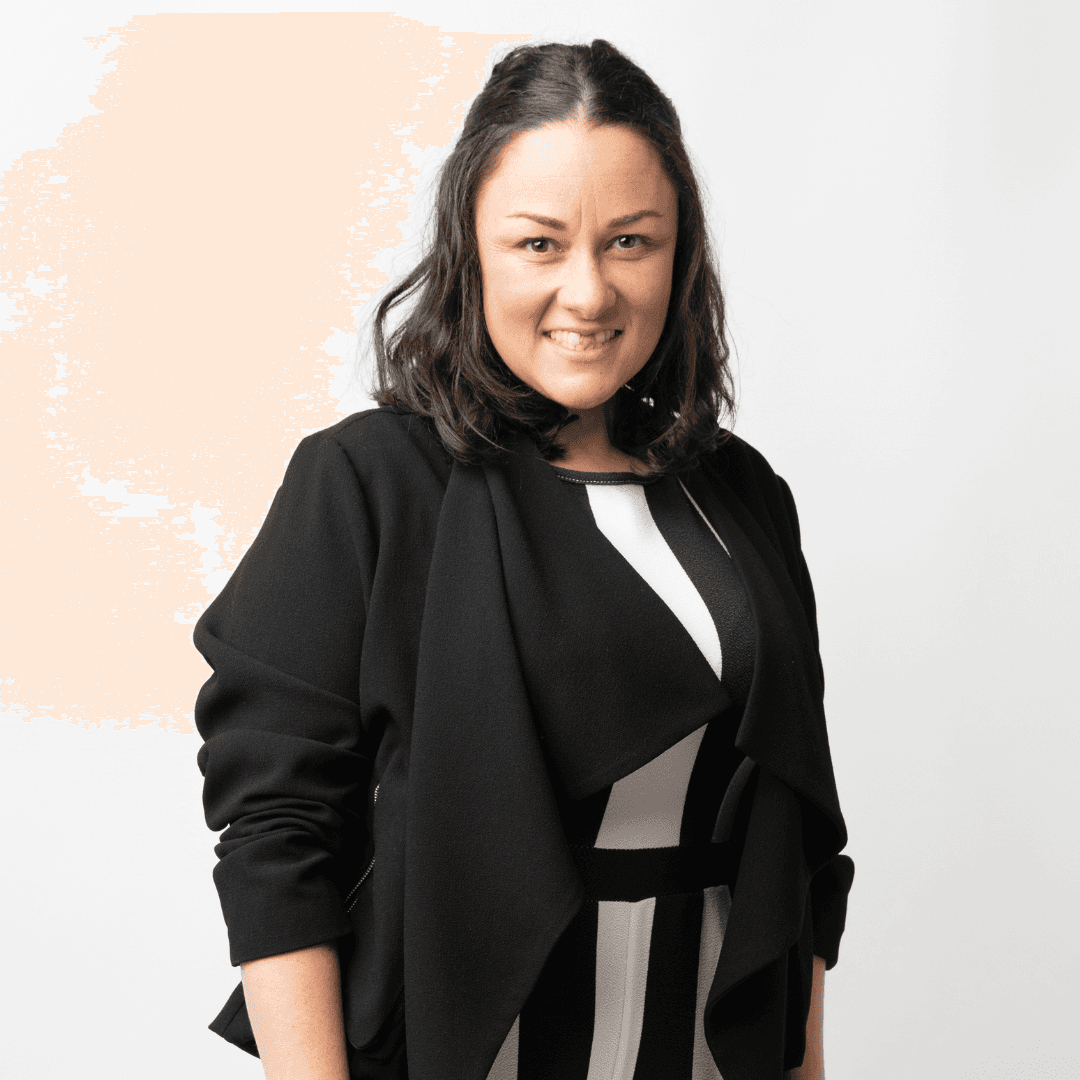
Tabitha is a full-time Australian voice actress specialising in character-driven voice work, commercials, animation, video games, and audiobook narration. She is known for her dynamic range, strong acting instincts, and the ability to bring warmth, clarity, and authenticity to every read. Her recent credits include voicing all four main characters in the Australian children’s animated series NatPat Pals, character work in Timber Trouble and Within the Cosmos, and the English dub role of Yomei in the anime Karekore of Mixed Blood. She is also a featured cast member in the Articul8 Studios audio drama Static Shift. Tabitha is an experienced audiobook narrator, particularly in children’s and young adult fiction, and was recently nominated for Best Female Voice Artist in the Behear Independent Audio Awards. She is a Ballarat Arts Foundation alumni and current board member. Working from a custom-built, professionally sound-treated studio, Tabitha delivers broadcast-quality audio with fast turnaround and takes direction exceptionally well. Accents include Australian (native), General American, and British, with frequent casting in children, teens, young male roles, and anime-style characters.

A vibrant, velvety and evocative voice... with a multitude of characters and accents! I am a British voice over artist who is passionate about providing high quality, perfectly articulated recordings. My voice is extremely versatile, I deliver smooth, engaging narration with a touch of gravitas and also bring a light, conversational and friendly feel to much of my work along with plethora of character voices and accents. With clients around the globe I guarantee efficiency, excellent turnaround times, high quality recording and editing. I trained as an actor at The Bristol Old Vic Theatre school and went on to work in Television, Radio, Theatre and Film for several years. These days I work from my home studio in Sussex as a Voice Over Artist/Actor. I am experienced in Narration, Documentary's, Commercials, Promo, E-learning, Explainers, IVR,Corporate and Character/Audio drama. Purpose built broadcast quality vocal booth, Neumann 103 TLM mic, Scarlett 2i2, Interface and Adobe Audition

Hi! I'm a professional voiceover artist based in Orlando, Florida. I love being behind the microphone and bringing stories, scripts, and ideas to life. Whether it's a high-energy television commercial, a warm and conversational corporate explainer, a detailed eLearning module, or a long-form audiobook narration, I approach every project with the same dedication and care. Throughout my career, I've had the privilege of working with companies like Alibaba, Google, and Walmart to voice their productions and move audiences to action. I've also spent years coaching and mentoring voice actors at every stage of their careers, which has given me a deep understanding of the craft and a constant drive to refine my own performance. When it's time to create content for your business, you can trust me to deliver broadcast-quality audio on a fast turnaround. I'm easy to work with, take direction well, and genuinely care about getting every read right. That way, you can get back to doing what you do best. Let's get to work.
Casting for Explainer Mascots: A Different Challenge
Animated characters in entertainment and brand mascots in explainer videos share DNA, but the casting priorities differ in important ways.
Explainer mascots serve a functional purpose: they make information easier to absorb. The voice behind an explainer mascot needs to be:
- Approachable: audiences should feel like they're learning from a friend, not sitting through a lecture
- Clear and well-paced: complex concepts demand precise articulation and deliberate pacing
- On-brand: the voice must align with the company's identity, from startup casual to enterprise polished
- Versatile enough to handle evolving scripts: your product will change, and the mascot needs to grow with it
Unlike entertainment characters, explainer mascots often need to balance personality with clarity. Too much character and the message gets lost. Too little and the mascot adds nothing a standard voiceover couldn't accomplish. The sweet spot is a voice that feels like a character while never sacrificing comprehension.
The Audition Process: How to Find Your Perfect Match
Casting character voices is part science, part instinct. Here's a practical framework for running auditions that surface the best talent.
Write Audition Scripts That Test What Matters
Don't hand actors a generic paragraph. Write audition copy that reflects the actual demands of the role. Include lines that require:
- A shift in emotional tone mid-sentence
- Technical or brand-specific terminology
- Comedic timing or playful delivery
- A cold open — the character introducing themselves for the first time
This approach reveals far more than a standard read-through ever could.
Listen for the Voice You Didn't Know You Needed
Directors often walk into casting with a fixed idea of what the character should sound like, and the best audition completely changes their mind. Stay open. Some of the most memorable animated performances came from actors who brought an interpretation nobody on the creative team had considered. If an audition surprises you in a way that serves the character, lean into it.
Test for Long-Term Viability
If this character will appear in ongoing content, consider whether the voice is sustainable. Can the actor reproduce it reliably? Is the vocal placement healthy enough to maintain across long recording sessions? A strained or gimmicky voice might shine in a short demo but become a liability across dozens of videos.
Why Human Voice Actors Outperform AI for Character Work
Synthetic voice technology has made headlines, but character voice acting is one area where human performers remain irreplaceable. AI-generated voices can approximate tone and inflection, but they cannot act. They don't understand comedic timing. They can't improvise a line reading that saves a mediocre script. They don't bring the creative instincts that transform a mascot from a marketing asset into a character audiences genuinely care about.
The subtle breath before a punchline, the warmth in a reassuring phrase, the playful crack in a mischievous laugh. These details are what make animated characters feel real. And they come from real human beings who understand storytelling at a level no algorithm has reached.
Bringing Your Character to Life Starts with the Right Voice
The gap between a forgettable animated character and a beloved one almost always comes down to casting. The design catches the eye, but the voice captures the heart. Invest the time to define your character deeply, write audition materials that test real performance skills, and stay open to unexpected interpretations that push the role beyond what you imagined.
When you're ready to find voice actors who specialize in character work and bring genuine artistry to every role, RealVOTalent connects you with experienced, human voice talent ready to make your animated characters and explainer mascots unforgettable. Browse talent, listen to demos, and find the voice your character has been waiting for at RealVOTalent.com.

Written by
Trevor O'Hare
Founder, RealVOTalent
Trevor is a professional voice actor who has worked in audio for over two decades and been in the voiceover industry since 2019, completing thousands of projects for Fortune 500 companies and small businesses alike. He also coaches voice talent at VOTrainer.com.
Get voiceover industry tips & insights
Join our newsletter. No spam, unsubscribe anytime.


