5 Ways Voice Talent Can Future-Proof Their Career Against Generative AI
AI can clone a voice in seconds, but it can't replace yours. Five career strategies voice actors are using right now to stay booked, protected, and irreplaceable.

The AI Revolution Is Here, But Human Voice Talent Isn't Going Anywhere
Generative AI can now clone a voice from a 5 second sample. It can narrate an audiobook in minutes, produce a commercial spot without booking a studio, and do it all for a fraction of what a professional voice actor charges. If you're a voice talent reading those facts, your stomach probably just dropped.
But here's what the panic headlines won't tell you: AI-generated voice still can't do what you do. It can't interpret a script with genuine emotional nuance. It can't improvise a read based on a director's vague feedback like "make it warmer, but not cheesy." It can't build a relationship with a client who comes back project after project because they trust your instincts. The technology is impressive, and it's also incomplete.
The voice actors who will thrive aren't the ones ignoring AI or hoping it disappears. They're the ones adapting strategically. Here are five ways to future-proof your voice acting career and make yourself irreplaceable.
1. Double Down on What AI Cannot Replicate
AI voices are getting better at sounding natural, but they still fail at emotional authenticity. They can mimic sadness; they can't understand grief. They can approximate excitement; they can't channel the specific thrill of a brand's first product launch. This gap is your competitive advantage, and it's worth widening.
Invest in Acting Craft
Too many voice actors treat their craft as "reading aloud well." The ones who separate themselves from AI treat every script as a performance. Take improv classes. Study Meisner technique. Work with an acting coach who pushes you beyond your comfort zone. When a client hears your audition next to an AI-generated read, the difference should be unmistakable. Your interpretation is alive.
Character work, emotional range, comedic timing, the ability to take direction and pivot mid-session. These are skills that no algorithm replicates convincingly. They're also the skills that command premium rates.
2. Build a Personal Brand That Clients Trust
AI doesn't have a reputation. It doesn't have a portfolio of satisfied clients or a social media presence that showcases personality. You do, or you should.
Voice talent who future-proof their careers understand that they are the product. Clients hire people they trust, and trust comes from visibility, consistency, and professionalism that no synthetic voice can offer.
Practical Steps to Build Your Brand
Maintain an updated demo reel that highlights your versatility and emotional range
Share behind-the-scenes content from recording sessions on social platforms
Collect and display client testimonials prominently on your profile
Develop a signature style or niche (medical narration, indie game characters, luxury brand spots) that becomes synonymous with your name
Show up on platforms where casting directors and producers are actively searching for real human voice talent
When a client can Google your name and find a professional body of work, they're far less likely to replace you with an AI tool that offers zero accountability and no creative partnership.
3. Specialize in High-Stakes, High-Trust Categories
Not all voice work is equally vulnerable to AI disruption. Automated voices may handle low-budget explainer videos or internal training modules. But certain categories demand human credibility, and always will.
Where Human Voice Talent Remains Essential
Healthcare and pharmaceutical narration. Regulatory compliance and audience sensitivity require a trusted human voice. Patients and providers need to feel that the information is delivered with care, not generated by a machine.
Legal and financial disclosures. Stakes are too high for a synthetic voice that might mispronounce a critical term or deliver a disclaimer without the appropriate gravity.
Premium brand advertising. Major brands protect their identity fiercely. They want a voice that represents their values, and they want a contractual relationship with the person behind it.
Character work for animation and gaming. Studios need actors who can embody characters across multiple sessions, respond to direction in real time, and bring creative ideas to the booth.
Positioning yourself as a specialist in one or more of these areas makes you harder to replace and easier to justify at a higher rate.
Need a commercial voice for your next project?
RealVOTalent is a marketplace of verified human voice actors. Play demos, compare rates, and hire in minutes.
Featured Commercial Talent
View all →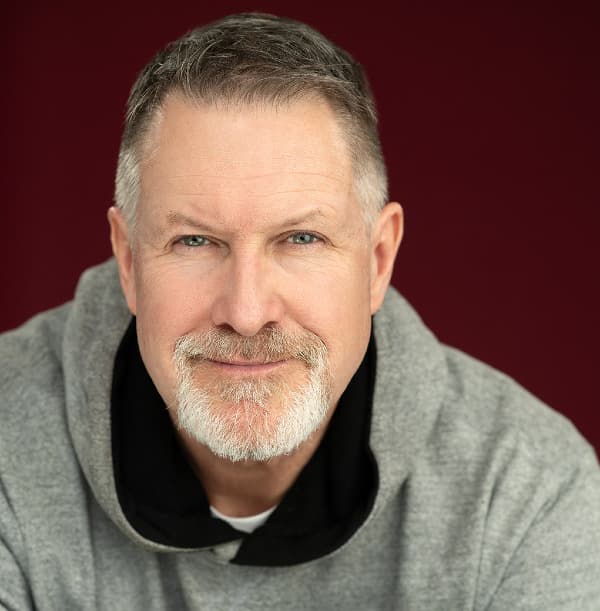
Todd has worked many of top Global Brands, including Coca-Cola, L'Oreal Paris, Cisco, Renewal by Anderson, Coast Appliances, Clam Outdoors, UNC Healthcare, Benny and Company, Shoeless Joe's and many, many more. Todd has agency representation in both Vancouver and Montreal and is also available for Non-Union projects. Todd loves what he does and he is always ready and willing to help his clients get exactly what they want and need. Todd records from his Broadcast quality Studio in Victoria, Canada with only the highest quality equipment and can usually provide Broadcast quality recordings in 24 hours.

With experience in commercial, and character work, Hannah is easy to direct, quick to adjust, and eager to bring strong performance and intention to every script. Hannah comes from an on-camera background, is comfortable working in live-directed sessions and available via Source-Connect.

Looking for a polished, professional British voice that instantly lifts your project? You've come to the right place! Most messages fall flat because the delivery lacks clarity, authority or warmth or the audio just isnt good enough. A strong script deserves a voice that makes people listen. I'm a British voice actor with a warm, trustworthy RP accent and 20 years of international broadcast journalism experience. I provide broadcast-quality audio from my professional UK studio, with a streamlined, no-hassle buying process. Perfect for commercials, corporate narration, explainer videos, eLearning, medical narration, brand films and luxury content. Fast turnaround, precise editing and a smooth, reliable workflow every time. Clients including Visa, DHL, Coca-Cola, SharkNinja, Mitchum, VistaJet and more than 2,000 happy customers trust my voice to bring their stories to life. Want your project to sound credible, confident and compelling? Get in touch!
4. Learn the Technology Instead of Fearing It
The voice actors most at risk are the ones who refuse to understand AI. Knowing how generative voice technology works gives you a strategic edge, both in protecting your rights and in finding new opportunities.
For many working voice actors, AI has quietly become a behind-the-scenes productivity tool that has nothing to do with synthetic voices. Savvy professionals are using AI-powered tools to automate lead generation; researching and compiling prospect lists of ad agencies, e-learning developers, and production houses without spending hours on manual research.
On the administrative side, AI is helping voice actors transcribe client briefs, summarize long email threads, generate invoices, and even organize session notes and revision requests. Some are using it to write and maintain their own website copy, blog posts, and social media content to stay visible without burning creative energy.
The result is that independent voice actors can spend more of their time in the booth doing what they're actually paid for, while AI handles the operational overhead that used to eat up their afternoons. This might seem antithetical to what we do here at RealVOTalent, but it's not. Burying your head in the sand will not help you become more competitive in the voiceover job market. Other actors are using these tools to automate the mundane, and you may want to think about doing the same.
Protect Your Voice, Your Way
Understanding AI also means understanding your legal protections. Several states have enacted laws around voice likeness rights, and SAG-AFTRA has negotiated AI-specific contract provisions. Stay informed. Know what you're consenting to when you sign a contract. Read every clause about synthetic reproduction, and push back when the terms aren't fair.
Voice talent who educate themselves on AI negotiate from a position of strength.
5. Prioritize Direct Client Relationships Over Race-to-the-Bottom Platforms
With AI increasingly taking the low hanging fruit of VO work, cheap freelancing platforms that pit thousands of voice actors against each other (and increasingly against AI) are not where sustainable careers are built. The future belongs to voice talent who cultivate direct, lasting relationships with clients and work through marketplaces that value authenticity.
Bidding as one of hundreds on a cheap job makes you interchangeable. A trusted partner who understands a client's brand, delivers consistently, and communicates like a professional is indispensable. No AI can replicate that relationship.
How to Build Client Loyalty
Follow up after projects to ask for feedback and offer future availability
Remember client preferences, their favorite pacing, tone, and delivery style
Deliver ahead of deadline whenever possible
Offer pickup sessions and revisions graciously
Choose platforms that specifically champion real human voice talent and make that commitment visible to buyers
Your Voice Is Your Advantage: Use It
Generative AI is a filter. It will push out those who compete on price alone and reward those who compete on craft, trust, and human connection. The voice talent who invest in their acting skills, build recognizable brands, specialize in high-value categories, understand the technology, and nurture genuine client relationships will command more than ever.
If you're ready to put your talent where it's valued, RealVOTalent.com is a marketplace built exclusively for real, human voice actors. No AI voices. No synthetic clones. Just authentic talent connecting with clients who demand the real thing. Create your profile today and join a community that's future-proofing the industry, one human voice at a time.

Written by
Trevor O'Hare
Founder, RealVOTalent
Trevor is a professional voice actor who has worked in audio for over two decades and been in the voiceover industry since 2019, completing thousands of projects for Fortune 500 companies and small businesses alike. He also coaches voice talent at VOTrainer.com.
Get voiceover industry tips & insights
Join our newsletter. No spam, unsubscribe anytime.


