Protecting Your Brand: The Intellectual Property Risks of Synthetic Voice Clones
Imagine your brand's unique sonic identity—that familiar, trusted voice narrating your commercials, guiding customers, or bringing your characters to life. Now, imagine that voice, indistinguishable from the original, being used for malicious purposes, endorsing rival products, or spreading misinformation. This isn't a dystopian fantasy; it's a very real threat posed by the rapid advancement of synthetic voice cloning technology.
The ability to replicate a human voice with uncanny accuracy presents a complex web of legal, ethical, and commercial challenges. For businesses investing heavily in their audio branding, understanding and mitigating the intellectual property risks of synthetic voice clones is no longer optional—it's imperative. Your brand's reputation, legal standing, and consumer trust hang in the balance. This post delves into the profound implications of AI voice cloning and offers practical strategies to safeguard your valuable assets.
The Alarming Rise of Synthetic Voice Clones
Synthetic voice technology has evolved at a breathtaking pace. What once sounded robotic and artificial now often achieves near-perfect mimicry, capable of reproducing not just the words but the unique intonation, accent, and emotional nuance of a human voice. This technology, often powered by advanced AI and machine learning, can take a small audio sample—sometimes just a few seconds—and generate entirely new speech in that cloned voice.
While the applications for accessibility, entertainment, and efficient content creation seem promising, the darker side reveals itself in the form of deepfakes, scams, and unauthorized commercial use. The ease with which a voice can be copied and manipulated creates significant synthetic voice risks for individuals and corporations alike. It blurs the lines of authenticity and ownership, making it difficult to distinguish between genuine content and AI-generated counterfeits.
Decoding the IP Minefield: Copyright, Trademark, and Personality Rights
Navigating the legal landscape surrounding synthetic voice cloning is a complex endeavor, largely because current intellectual property laws were not designed with AI in mind. However, existing frameworks offer some, albeit imperfect, protections.
Copyright Conundrums: Who Owns the Cloned Voice?
Copyright law generally protects original works of authorship fixed in a tangible medium. While a voice itself isn't typically copyrightable in the same way a song or script is, a specific performance of a voice—say, a voice actor's delivery of a commercial script—is. The challenge arises when an AI system clones that voice. Is the AI-generated audio an infringement on the original performance's copyright? If the cloned voice creates new, original content, who owns the copyright to that new content? These are nascent legal questions, with courts beginning to grapple with whether AI-generated works constitute transformative use or direct infringement. For businesses, using a cloned voice without explicit, ironclad consent risks costly litigation over unauthorized reproduction of a distinct performance or sound recording.
Trademark Tangles: Brand Confusion and Dilution
A brand's distinctive voice, especially for characters or corporate spokespersons, can become a valuable trademark. Think of iconic animated characters or the specific tone of a well-known brand's voice assistant. When a synthetic voice clone is used in a way that suggests association with, endorsement by, or origin from a specific brand, it can lead to trademark infringement. This creates significant brand confusion among consumers and can dilute the distinctiveness of your established audio branding. Imagine a competitor using a cloned voice that sounds eerily similar to your brand's signature sound; this could directly undermine your market position and reputation. Protecting your audio identity is crucial for maintaining market differentiation and consumer trust.
The Right of Publicity / Personality Rights: Misappropriation
Perhaps the most direct legal avenue against unauthorized voice cloning is the right of publicity, also known as personality rights. This right protects an individual's exclusive control over the commercial use of their identity, including their voice, name, image, and likeness. For voice actors, their voice is their livelihood and their personal brand. When a synthetic version of their voice is used without their permission for commercial gain, it constitutes misappropriation of their identity. This is particularly relevant for human voice talent who have cultivated unique vocal profiles. High-profile cases, such as the unauthorized use of celebrity voices in AI-generated content, have highlighted the urgent need for stronger protections in this area, demonstrating the real financial and reputational harm caused by AI voice cloning IP issues.
Need a commercial voice for your next project?
RealVOTalent is a marketplace of verified human voice actors. Play demos, compare rates, and hire in minutes.
Featured Commercial Talent
View all →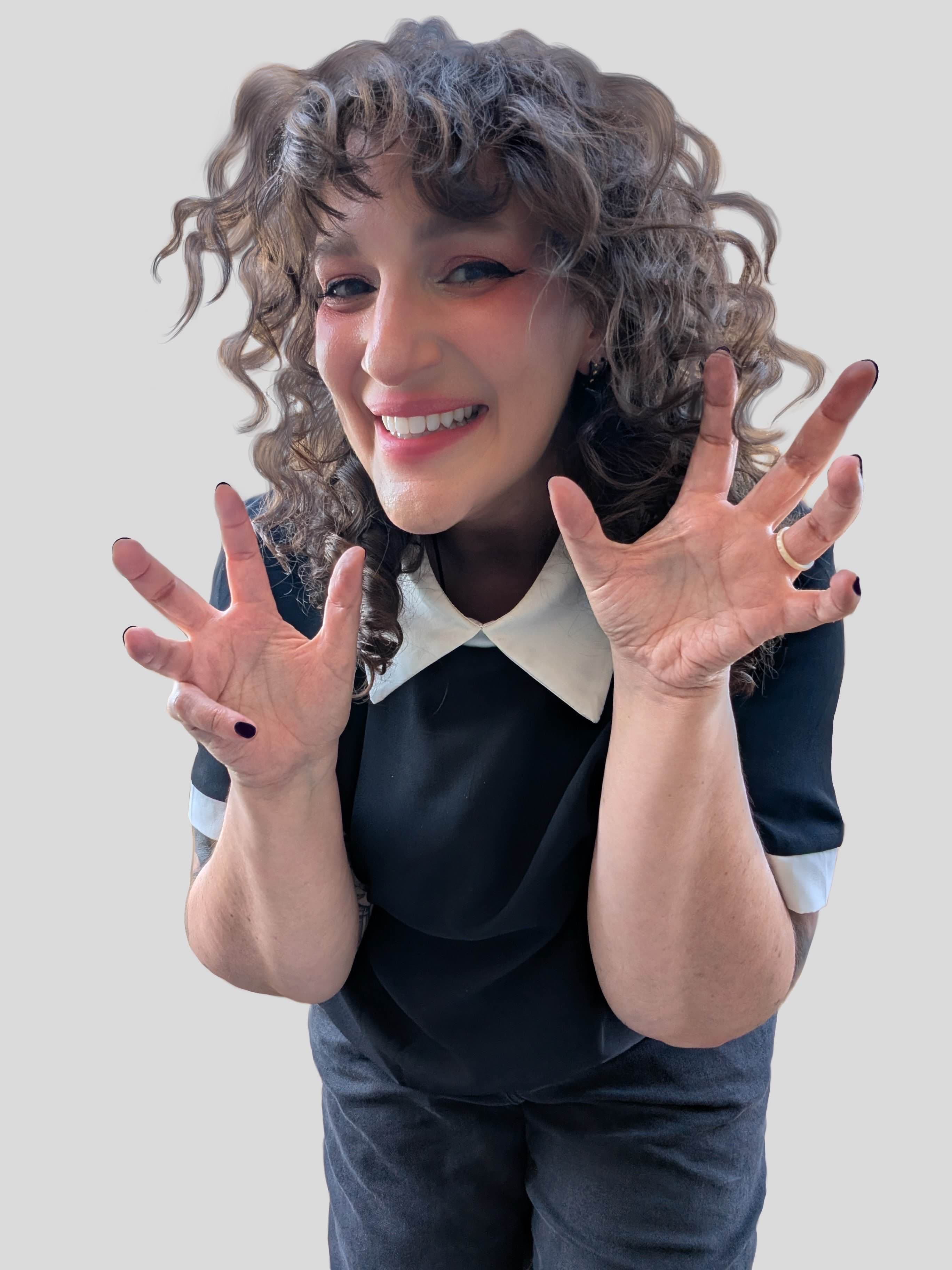
Sara is a full time American voice actor who brings energy, charisma, and playfulness to each performance. With a strong foundation in creative storytelling and clear communication, she shines in character-driven work, where she can explore bold choices, distinct personalities, and expressive range. That same sense of play also informs her commercial and narration reads, giving them a fresh, authentic feel. Her voice carries a cool, charismatic blend of Cameron Diaz and Drew Barrymore, with hints of Miley Cyrus edge and Aubrey Plaza charm. Naturally playful and emotionally agile, Sara’s sound is engaging and adaptable. Known for her collaborative, low-stress sessions and taking direction like a beast, she makes the process smooth, fun, and creatively rewarding. Performing in a custom-built, professionally sound-treated studio, Sara delivers broadcast-quality audio with quick delivery. Accent work includes general American, American (south), British RP, French, Italian, and German. Based in Central Florida with her partner and dog, Sara spends her free time playing and streaming video games, painting, and spending as much time in a hammock as possible.

Looking for a polished, professional British voice that instantly lifts your project? You've come to the right place! Most messages fall flat because the delivery lacks clarity, authority or warmth or the audio just isnt good enough. A strong script deserves a voice that makes people listen. I'm a British voice actor with a warm, trustworthy RP accent and 20 years of international broadcast journalism experience. I provide broadcast-quality audio from my professional UK studio, with a streamlined, no-hassle buying process. Perfect for commercials, corporate narration, explainer videos, eLearning, medical narration, brand films and luxury content. Fast turnaround, precise editing and a smooth, reliable workflow every time. Clients including Visa, DHL, Coca-Cola, SharkNinja, Mitchum, VistaJet and more than 2,000 happy customers trust my voice to bring their stories to life. Want your project to sound credible, confident and compelling? Get in touch!
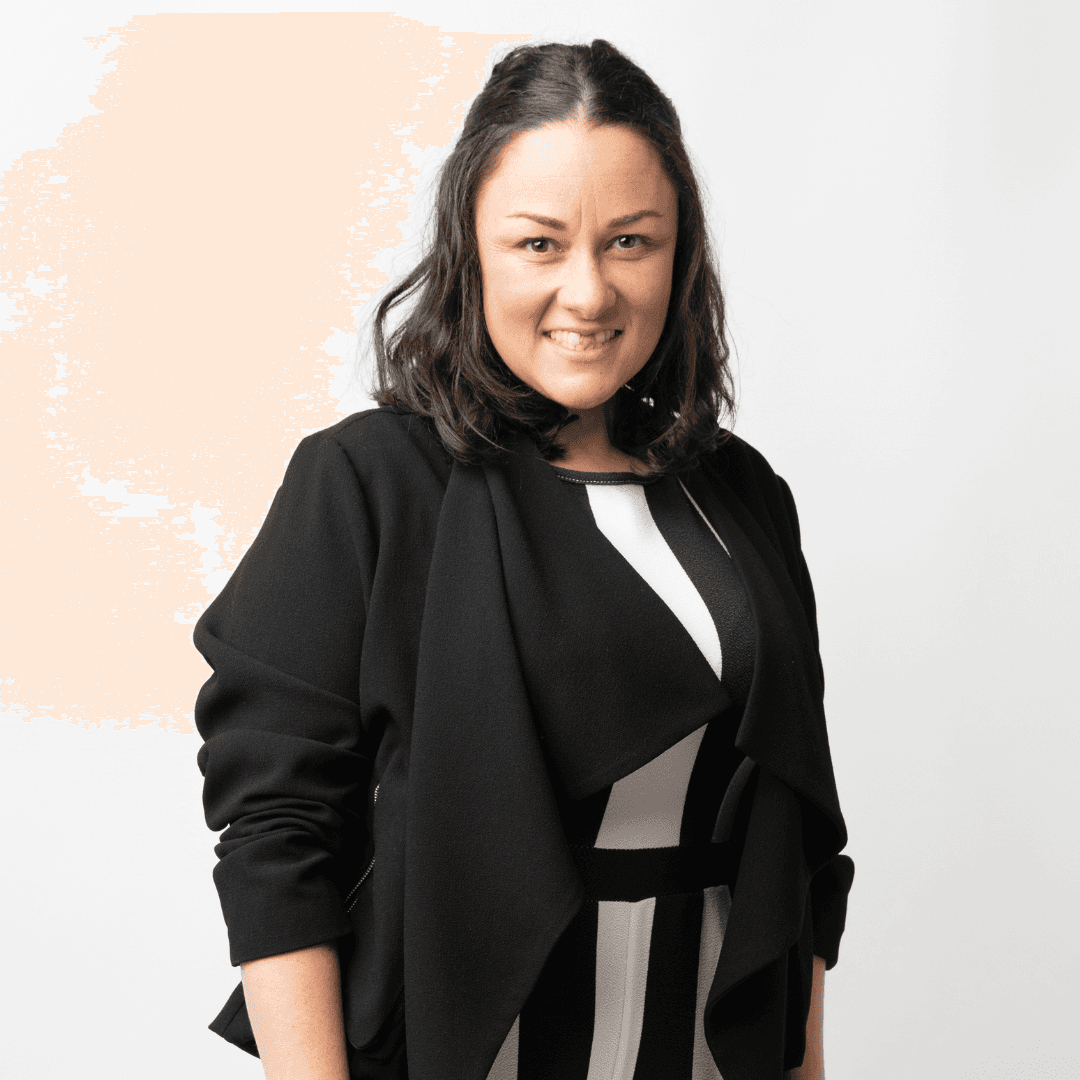
Tabitha is a full-time Australian voice actress specialising in character-driven voice work, commercials, animation, video games, and audiobook narration. She is known for her dynamic range, strong acting instincts, and the ability to bring warmth, clarity, and authenticity to every read. Her recent credits include voicing all four main characters in the Australian children’s animated series NatPat Pals, character work in Timber Trouble and Within the Cosmos, and the English dub role of Yomei in the anime Karekore of Mixed Blood. She is also a featured cast member in the Articul8 Studios audio drama Static Shift. Tabitha is an experienced audiobook narrator, particularly in children’s and young adult fiction, and was recently nominated for Best Female Voice Artist in the Behear Independent Audio Awards. She is a Ballarat Arts Foundation alumni and current board member. Working from a custom-built, professionally sound-treated studio, Tabitha delivers broadcast-quality audio with fast turnaround and takes direction exceptionally well. Accents include Australian (native), General American, and British, with frequent casting in children, teens, young male roles, and anime-style characters.
Real-World Scenarios and Consequences
The theoretical risks of synthetic voice cloning are already manifesting in tangible, often damaging, ways for businesses and individuals.
Brand Impersonation and Scams: Criminals are increasingly using voice deepfakes to impersonate executives or trusted individuals, tricking employees into transferring funds or divulging sensitive information. For example, a UK energy firm CEO was reportedly duped into transferring €220,000 after receiving a deepfake audio call impersonating his boss.
Reputational Damage and Misinformation: A cloned voice can be used to generate false statements or endorsements, associating your brand with undesirable content or political agendas. If a deepfake audio clip circulates online featuring your brand's spokesperson promoting controversial views, the damage to your reputation can be immediate and severe, irrespective of its authenticity.
Unauthorized Commercial Exploitation: Imagine a voice actor discovers their unique vocal style, honed over decades, has been cloned and is being used commercially without their consent or compensation. This directly threatens the livelihoods of real voice actors and undermines the value of their craft. It's a direct challenge to fair compensation and control over one's own identity.
Dilution of Brand Authenticity: Consumers increasingly value transparency and authenticity. If a brand is perceived to be cutting corners by using synthetic voices without disclosure, or worse, if a cloned voice is mistaken for a human one in a way that feels deceptive, it erodes trust and diminishes the emotional connection audiences have with a brand. The subtle nuances of human performance are often what create genuine engagement.
Safeguarding Your Brand: Practical Strategies
Proactive measures are essential to mitigate the brand protection voice AI risks and navigate the evolving landscape of synthetic voices.
Prioritize Human Voice Talent and Authentic Voices
The most fundamental protection against synthetic voice risks is to commit to using authentic, human voices for your brand's audio content. Real voice actors bring not just a sound, but performance, emotion, and unique artistic interpretation that AI cannot fully replicate. By exclusively commissioning human voice talent, you ensure clear chains of ownership and accountability. When you work with professional voice actors, you license their specific performance, not their entire voice identity for cloning. This distinction is critical for your long-term legal security and ethical standing.
Legal Fortifications: Contracts and Monitoring
Strengthen your legal agreements with voice talent. Ensure contracts explicitly address the ownership and use of recorded performances, clearly prohibiting any AI cloning or synthesis of their voice without separate, negotiated consent and compensation. Include clauses that stipulate what constitutes permissible use and explicitly forbid technologies that could generate new content in their voice. Furthermore, consider implementing digital monitoring tools that can scan the internet for unauthorized uses of your brand's unique audio assets or distinctive voice performances, especially as voice cloning legal issues become more prevalent.
Brand Guidelines and Education
Establish clear internal and external brand guidelines regarding audio content. Educate your marketing and content creation teams about the risks of AI voice cloning and the importance of using licensed human performances. Be transparent with your audience about the origin of your audio content, emphasizing your commitment to authentic human voices. If you ever consider using synthetic voices for very specific, low-risk applications (e.g., internal system prompts), ensure you have comprehensive legal agreements that specify the scope of use and, crucially, disclose its synthetic nature. Prioritizing transparency helps maintain consumer trust and reinforces your brand's integrity.
The Undeniable Value of Authentic Human Voice
Beyond the legal and ethical considerations, there's a compelling argument for the intrinsic value of human voice. An authentic voice carries a unique warmth, expressiveness, and relatability that synthetic voices, no matter how advanced, struggle to fully emulate. A human voice actor infuses their performance with context, emotion, and understanding, creating a genuine connection with the listener.
In a world increasingly saturated with AI-generated content, the investment in real voice actors stands as a powerful differentiator. It signals a brand's commitment to quality, authenticity, and respect for human artistry. This not only protects your brand from the legal entanglements of AI voice cloning but also enhances your ability to forge deeper, more meaningful connections with your audience, building trust and loyalty in an increasingly complex digital soundscape.
Choose Authenticity, Choose RealVOTalent
The threats posed by synthetic voice clones to intellectual property and brand integrity are undeniable and growing. Navigating this landscape requires vigilance, robust legal strategies, and a firm commitment to authenticity. By understanding the profound implications of copyright, trademark, and personality rights, and by prioritizing the unique artistry of human voice actors, your brand can fortify itself against these emerging risks.
Don't leave your brand's voice vulnerable to unauthorized cloning or deepfake deception. Invest in the genuine article. For businesses seeking diverse, professional, and authentic human voice talent, RealVOTalent.com offers a trusted marketplace. We connect you directly with real voice actors, ensuring your brand's audio identity is not only compelling but also legally sound and ethically sourced. Protect your brand, preserve your trust, and choose real voices from RealVO.

Written by
Trevor O'Hare
Founder, RealVOTalent
Trevor is a professional voice actor who has worked in audio for over two decades and been in the voiceover industry since 2019, completing thousands of projects for Fortune 500 companies and small businesses alike. He also coaches voice talent at VOTrainer.com.
Get voiceover industry tips & insights
Join our newsletter. No spam, unsubscribe anytime.


