
Evaluating Voice Talent Home Studio Setups
A powerful voice is just one piece of the puzzle. The true magic, the ability to captivate and convert, often hinges on the clarity, presence, and professional quality of the audio itself. For clients seeking authentic, human voice talent, understanding the technical backbone of a performer's home studio setup is paramount. It’s not just about what microphone they use, but how that microphone integrates into an entire ecosystem designed to deliver pristine sound. At RealVOTalent.com, we champion the highest standards for our human voice talent, ensuring that every recording resonates with professionalism and impact.
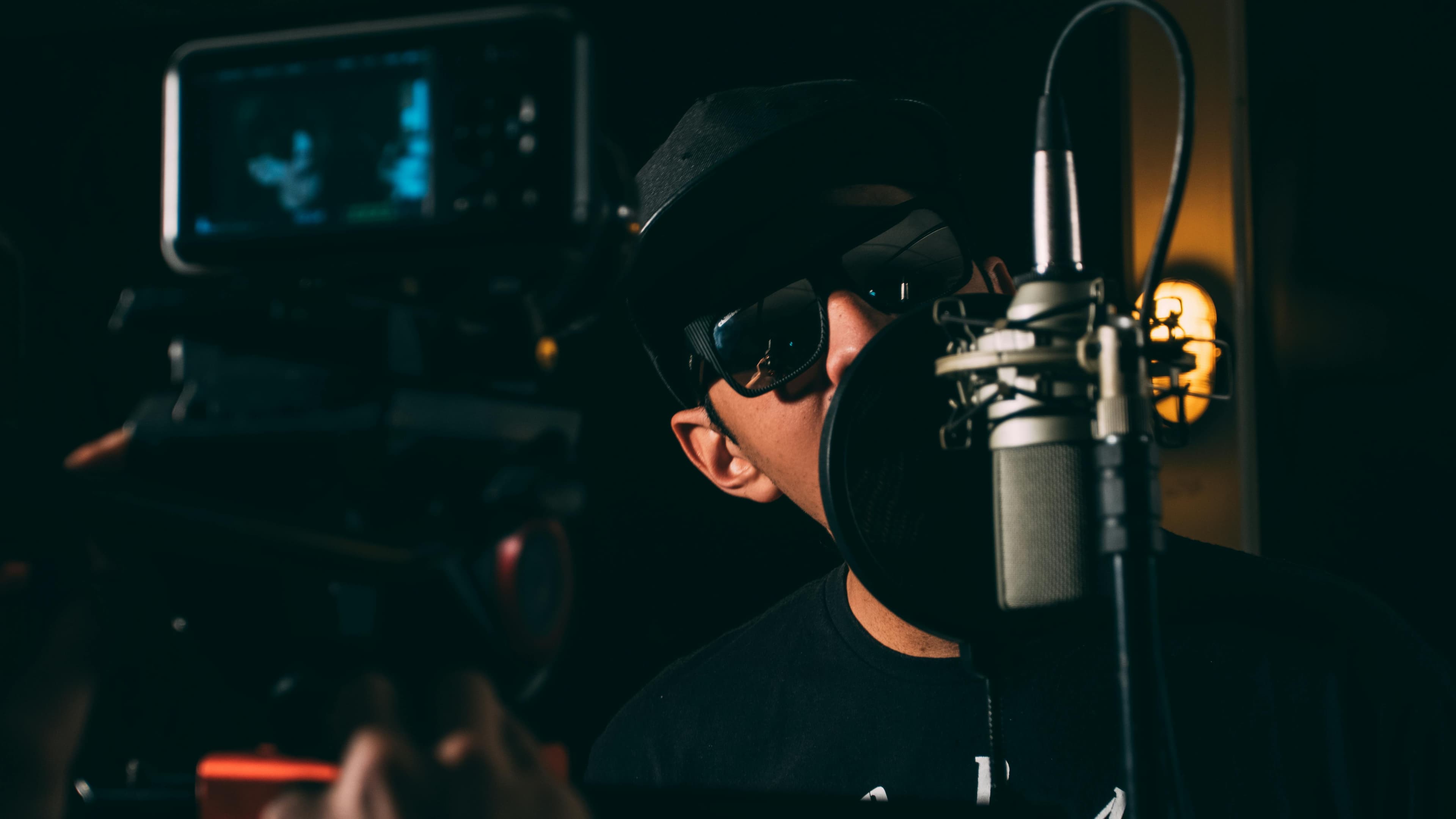
This guide will equip you with the knowledge to evaluate a voice actor's home studio setup, focusing on the microphone standards and the critical components that contribute to truly professional audio. We're talking about real voices, real talent, and real studio quality which is something AI simply cannot replicate.
Understanding the Signal Chain for Superior Audio
Many clients initially focus solely on the microphone, but it's crucial to understand that a microphone is just the first link in a chain. The entire signal path, from the spoken word to the digital file, contributes to the final sound quality. A top-tier microphone plugged into a sub-par interface in an untreated room will still yield disappointing results. Let's break down the core components that create the foundation for excellent voice talent home studio setup.
Microphone Choices: Industry Standards and Their Impact
For most voice acting work, the large-diaphragm condenser microphone is the undisputed industry standard. These microphones are renowned for their sensitivity, wide frequency response, and ability to capture subtle vocal nuances, making them ideal for capturing the richness and emotion of a human voice. While dynamic microphones have their place (especially for live performance or extremely loud sources), condensers generally offer the fidelity required for professional voiceover.
Large-Diaphragm Condensers: Mics like the Neumann TLM 103, Rode NT1-A, and Audio-Technica AT2020 are common workhorses. They provide a warm, detailed sound essential for commercial, narration, and audiobook projects.
Shotgun Microphones: The Sennheiser MKH 416, while technically a shotgun mic, has become a legendary choice for its punchy, clear sound and excellent off-axis rejection, making it popular for trailers, promos, and projects requiring a more aggressive read.
When evaluating, listen for a microphone that captures the full spectrum of the voice without sounding harsh, boomy, or thin. The choice of microphone directly impacts the initial capture of the human voice talent performance.
Preamps and Audio Interfaces: The Unsung Heroes of Clean Sound
Once the microphone captures the sound, that delicate electrical signal needs to be amplified and converted into a digital format. This is where preamps and audio interfaces come in. A quality preamp provides clean gain without introducing unwanted noise, while the audio interface converts the analog signal into digital data that your computer can understand.
Clean Preamplification: A good preamp ensures that the subtle dynamics of the voice are preserved, providing enough "juice" to the mic without hiss or distortion. Professional voice actors invest in interfaces known for their high-quality preamps, such as those found in interfaces made by Universal Audio, Audient, etc.
High-Fidelity Converters: The analog-to-digital (A/D) converters within the audio interface are critical. High-quality converters accurately translate the analog signal into digital information, preserving the natural sound and avoiding digital artifacts.
When listening to an audition, pay attention to any underlying hiss or buzz. This often indicates a noisy preamp or a poorly shielded interface, which detracts significantly from overall audio quality for voiceover.
The Studio Environment: Where the Magic Truly Happens
Even the most expensive microphone and interface are rendered useless if the recording environment is poor. The room itself plays an enormous role in the final sound, shaping how the microphone perceives and captures the voice. This is where dedicated home recording studio acoustics become crucial.
Acoustic Treatment: Taming the Room
An untreated room introduces unwanted reflections, echo, and reverb, making the voice sound distant, muddy, or unprofessional. Professional voice actors invest heavily in acoustic treatment to create a neutral, "dead" recording space that allows only the voice to shine through.
Absorption: This involves using materials like acoustic foam panels, bass traps, and thick blankets to absorb sound waves and prevent them from bouncing around the room. The goal is to minimize flutter echoes and reverberation.
Diffusion: While less common in smaller home studios, diffusers scatter sound waves, preventing harsh reflections without over-absorbing the sound. This helps maintain a natural, lively feel if done correctly.
When evaluating, listen for a dry, focused sound. You shouldn't hear the distinct echoes of a room. The voice should sound like it was recorded in a controlled, isolated environment, not an open bathroom or an empty spare bedroom. This is a tell-tale sign of a professional voice acting equipment setup.
Noise Control: Eliminating Unwanted Intruders
Beyond acoustic reflections, external and internal noises can ruin a recording. A professional voice actor meticulously controls their environment to prevent interruptions from their refrigerator, air conditioning unit, computer fans, or outside traffic.
HVAC & Appliances: Many voice actors turn off air conditioning/heating during takes and strategically place their studios away from noisy appliances.
Computer Noise: Fan noise from computers can be a persistent issue. Solutions include isolating the computer, using silent components, or extending cables to keep the computer outside the booth.
External Noise: Thick walls, double doors, and specialized soundproofing materials are employed to block out street noise, barking dogs, or family chatter.
Any audible hum, buzz, or background noise in an audition is a significant red flag, indicating a lack of attention to fundamental microphone standards and overall studio integrity.
Need a commercial voice for your next project?
RealVOTalent is a marketplace of verified human voice actors. Play demos, compare rates, and hire in minutes.
Featured Commercial Talent
View all →
A vibrant, velvety and evocative voice... with a multitude of characters and accents! I am a British voice over artist who is passionate about providing high quality, perfectly articulated recordings. My voice is extremely versatile, I deliver smooth, engaging narration with a touch of gravitas and also bring a light, conversational and friendly feel to much of my work along with plethora of character voices and accents. With clients around the globe I guarantee efficiency, excellent turnaround times, high quality recording and editing. I trained as an actor at The Bristol Old Vic Theatre school and went on to work in Television, Radio, Theatre and Film for several years. These days I work from my home studio in Sussex as a Voice Over Artist/Actor. I am experienced in Narration, Documentary's, Commercials, Promo, E-learning, Explainers, IVR,Corporate and Character/Audio drama. Purpose built broadcast quality vocal booth, Neumann 103 TLM mic, Scarlett 2i2, Interface and Adobe Audition
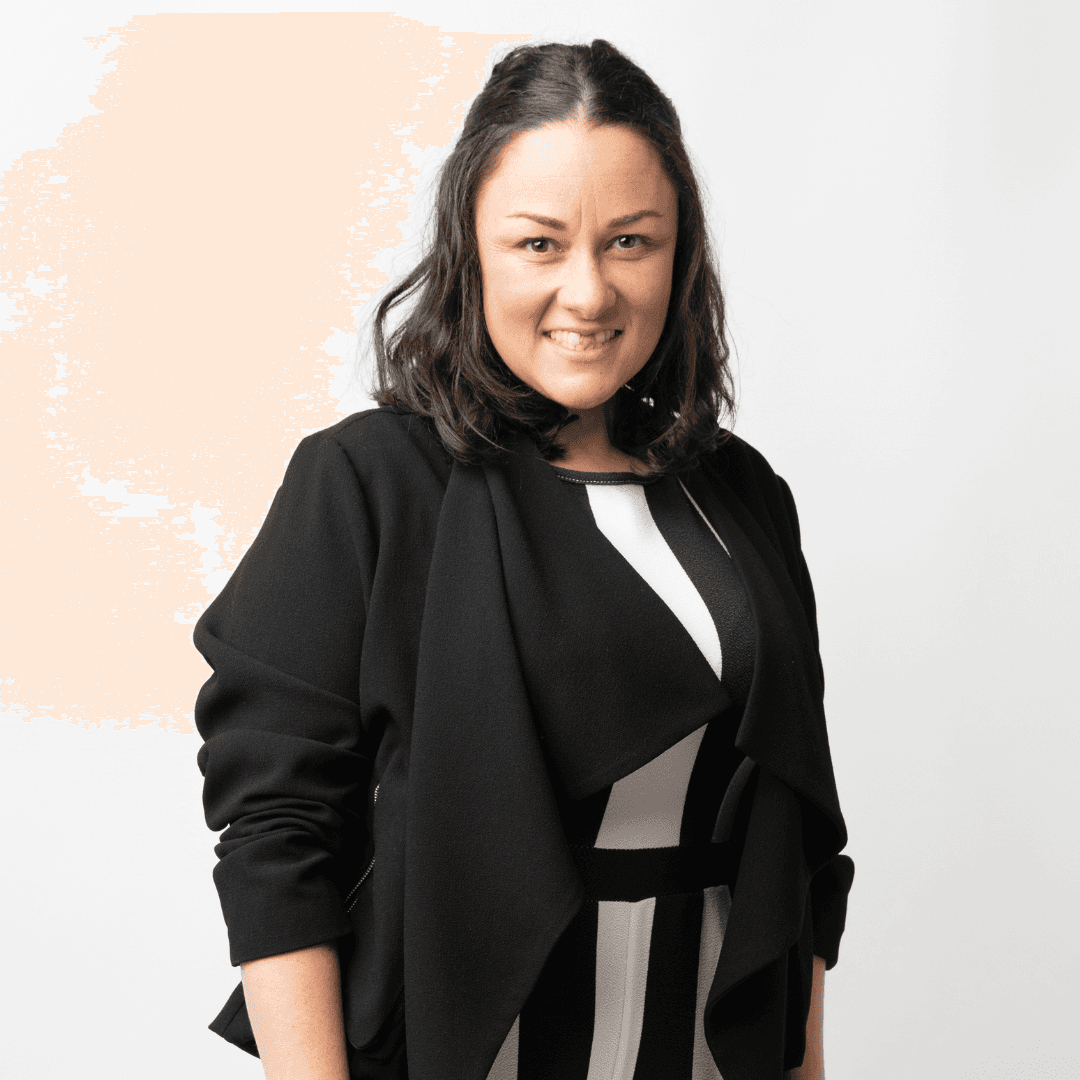
Tabitha is a full-time Australian voice actress specialising in character-driven voice work, commercials, animation, video games, and audiobook narration. She is known for her dynamic range, strong acting instincts, and the ability to bring warmth, clarity, and authenticity to every read. Her recent credits include voicing all four main characters in the Australian children’s animated series NatPat Pals, character work in Timber Trouble and Within the Cosmos, and the English dub role of Yomei in the anime Karekore of Mixed Blood. She is also a featured cast member in the Articul8 Studios audio drama Static Shift. Tabitha is an experienced audiobook narrator, particularly in children’s and young adult fiction, and was recently nominated for Best Female Voice Artist in the Behear Independent Audio Awards. She is a Ballarat Arts Foundation alumni and current board member. Working from a custom-built, professionally sound-treated studio, Tabitha delivers broadcast-quality audio with fast turnaround and takes direction exceptionally well. Accents include Australian (native), General American, and British, with frequent casting in children, teens, young male roles, and anime-style characters.

Teresa is a full-time voice actor with a custom, broadcast-ready studio & an award winning stage actor. From performing engaging corporate reads straight to a bff commercial and on to a few wild, off-the wall characters... that's a Tuesday in this studio- you are covered. She has her BA in acting and wrote and directed children's plays/musicals for almost a decade. You'll find a creative collaborator who loves to dig in to copy and play. Believable performances, fast deliveries and dependable communication are what people expect and receive from Teresa. She found a love for voice acting when she connected the dots and realized this was her path to work from home! Added bonus: she has more time for video games (aka: Teresa is an excellent choice for video game characters). Growing up in the Midwest, Teresa has a neutral accent that fits into a wide range of styles. However, if an accent is called for, she's trained with world renowned dialecticians and performed leading roles on stage in British RP and Estuary as well as Irish (Dublin). With a capable ear, volumes upon volumes of resources and her dialectician coach a zoom call away- she's capable of almost any accent performed authentically. Teresa’s voice has been described as authentic, warm, dynamic, authoritative, sincere, trustworthy, energetic, fresh, friendly and relatable.
Software and Workflow: The Digital Side of Professional Delivery
A great recording is only half the battle. How the audio is processed, connected, and delivered is equally important for a seamless client experience. Professional voice talent understands digital workflows and communication protocols.
Digital Audio Workstations (DAWs) and Plugins
The DAW is the software used to record, edit, mix, and master audio. Industry-standard DAWs provide powerful tools for cleaning up recordings, applying subtle processing (if requested), and preparing files for delivery.
Popular DAWs: Adobe Audition, Reaper, Studio One, TwistedWave (for Mac), and Audacity (a free option, but professionals often use more robust platforms) are commonly used.
Professional Processing: Voice actors use plugins for noise reduction, equalization (EQ), compression, and de-essing. However, the mark of a true professional is knowing when *not* to over-process. The goal is a clean, natural sound, not an artificial, over-compressed one. Raw, unedited files should still sound excellent.
A voice talent's proficiency with their DAW ensures they can deliver files precisely to your specifications, from file type to sample rate and bit depth, all while maintaining high audio quality.
Connection and Delivery Standards for Live Sessions
For many projects, live direction is essential. Professional voice actors are equipped with the technology to facilitate these sessions seamlessly.
Source Connect / ipDTL / Cleanfeed: These professional-grade platforms allow clients to connect directly to the talent's studio, providing real-time direction and ensuring broadcast-quality audio capture from both ends. This is a clear indicator of a high-level professional voice actor setup.
High-Speed Internet: A stable, high-speed internet connection is non-negotiable for live sessions and quick file uploads.
The ability to connect professionally for live direction demonstrates a commitment to client collaboration and the highest microphone standards for real-time interaction.
The Audition as an Evaluation Tool: What to Listen For
Ultimately, the proof is in the pudding – or in this case, the audition. When listening to samples from potential voice talent, keep these critical points in mind to gauge their home studio's quality.
Listening for Clarity, Presence, and Consistency
A professionally recorded voice will sound clear, present, and consistent throughout the recording. It should feel like the talent is speaking directly to you, with no distracting sonic elements.
Clarity: Can you understand every word distinctively? Is there any muddiness or harshness in the sound?
Presence: Does the voice sound "up close" and intimate, or distant and hollow? Presence indicates good microphone technique and a well-treated room.
Consistency: Is the audio quality consistent from beginning to end, or do you notice shifts in background noise, reverb, or volume? Inconsistent quality suggests an unstable recording environment or amateur editing.
These elements are hallmarks of a high-quality voice talent microphone and overall studio setup.
Identifying Red Flags: When to Be Cautious
Some audio imperfections are instant indicators that a studio setup may not meet professional standards.
Room Tone/Reverb: Any discernible echo, metallic sound, or the distinct acoustic signature of an untreated room.
Background Noise: Hums (HVAC, computer fans), buzzes (electrical interference), outdoor sounds (traffic, birds, construction).
Mouth Noises: Excessive clicks, pops, or smacks. While some are natural, a professional should minimize these through hydration, mic technique, and subtle editing.
Plosives & Sibilance: Harsh "P" and "B" sounds (plosives) or exaggerated "S" sounds (sibilance). These often indicate poor pop filter usage or mic positioning.
Clipping/Distortion: Audio that sounds harsh or "blown out" due to recording levels being too high.
These red flags indicate a potential lack of attention to crucial microphone standards and studio setup practices, which can compromise your final product.
Conclusion: Invest in Quality, Trust in Human Talent
Evaluating a voice talent's home studio setup goes far beyond just checking their microphone model. It’s about understanding the entire ecosystem of equipment, environment, and expertise that converges to produce truly professional audio. By paying attention to the signal chain, acoustic treatment, noise control, and digital workflow, you can confidently identify talent capable of delivering pristine recordings that elevate your project.
At RealVOTalent.com, we are committed to connecting you with genuine, professional human voice talent who meet these stringent microphone and studio standards. Our platform features vetted voice actors who understand the critical importance of a high-quality home studio setup, ensuring that every audition and final recording is a testament to their professionalism and your project's success. Don't compromise on audio quality; discover your next incredible voice actor at RealVOTalent.com today.

Written by
Trevor O'Hare
Founder, RealVOTalent
Trevor is a professional voice actor who has worked in audio for over two decades and been in the voiceover industry since 2019, completing thousands of projects for Fortune 500 companies and small businesses alike. He also coaches voice talent at VOTrainer.com.
Get voiceover industry tips & insights
Join our newsletter. No spam, unsubscribe anytime.


