
Choosing the Right Tone: Authoritative, Conversational, or Energetic?
When it comes to communication, words are merely half the battle. The other, often more potent half, is how those words are delivered. This is the realm of tone... the subtle yet profound emotional quality embedded in a speaker's voice that transforms a simple message into a powerful connection. For businesses, creators, and marketers, choosing the right voice over tone isn't just a preference; it's a strategic decision that can make or break how your audience perceives your message, your brand, and ultimately, your call to action.
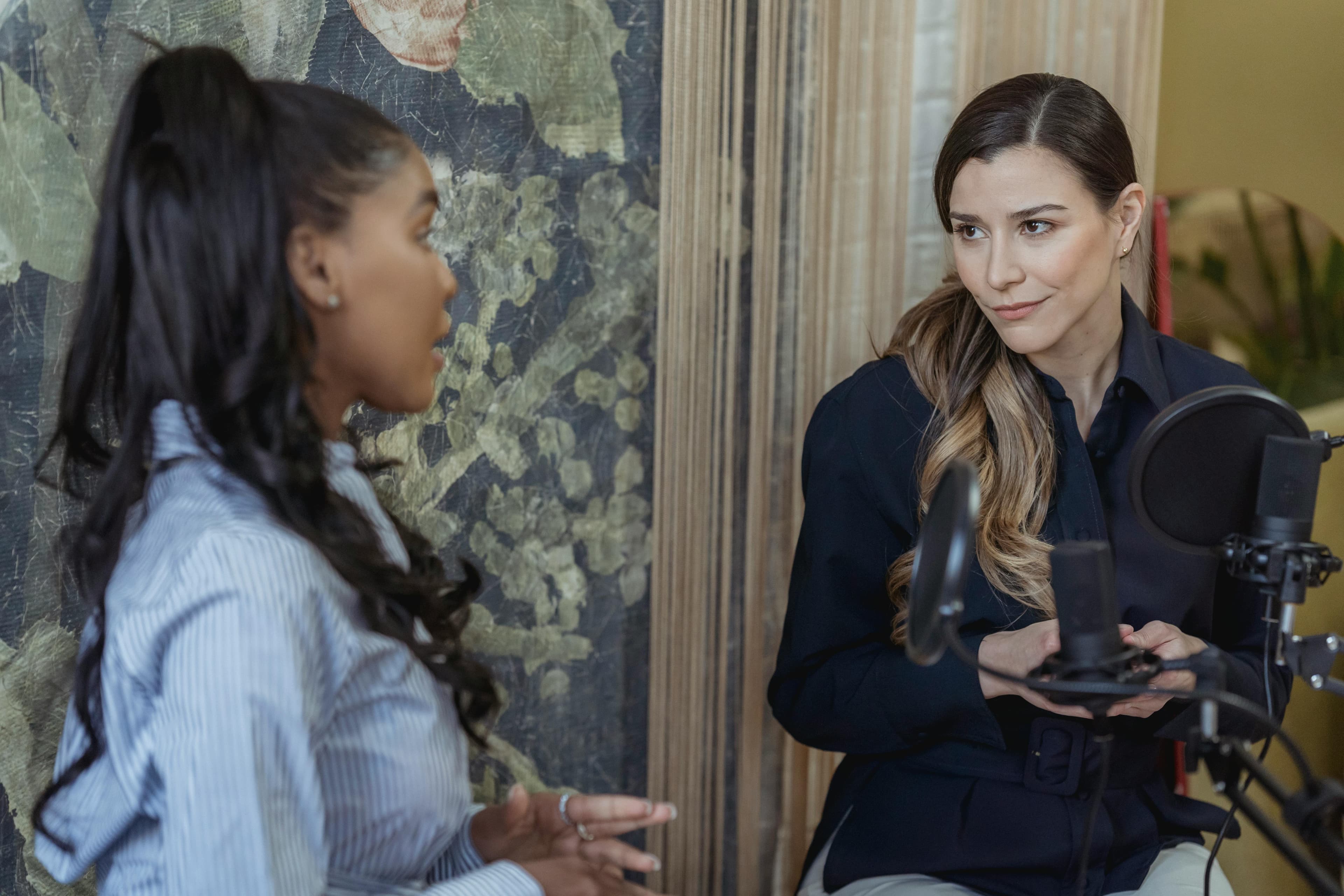
Imagine your meticulously crafted script read with the wrong inflection, pacing, or emotional coloring. The impact is instantly diluted, if not entirely lost. Your audience might feel disconnected, misled, or simply tune out. But get it right, and your message resonates deeply, forging an instant bond of trust, excitement, or intimacy. Today, we'll dive into three fundamental voice acting styles: authoritative, conversational, and energetic. Understanding when and how to deploy each will empower you to elevate your content and connect with your audience on a truly human level.
The Undeniable Power of Tone in Voice Acting
Voice acting is an art form that breathes life into narratives, instructions, and advertisements. Beyond clear pronunciation and perfect pacing, it's the underlying tone that dictates the emotional journey of the listener. A voice doesn't just convey information; it conveys a feeling, an attitude, a personality. This subtle layer of sound design is what makes content truly memorable and effective. It's the difference between merely being heard and truly being understood.
The right tone can establish instant credibility, invite engagement, or inspire action. It shapes first impressions and solidifies brand identity, influencing how your audience feels about your product, service, or message long after the words have faded. For businesses striving to stand out, harnessing the unique power of a real, human voice with the perfect tone is an invaluable asset.
Decoding the Authoritative Tone
The authoritative tone is the voice of expertise, confidence, and unwavering reliability. It commands attention without being overbearing, instilling trust and assurance through its steady, informed delivery. This tone projects knowledge, experience, and a definitive stance, making it ideal for messages where credibility and instruction are paramount.
When to Employ Authority
Think about scenarios where your audience needs to feel secure, informed, or guided. The authoritative tone shines in environments where facts, instructions, or serious information are being conveyed. Consider its application in:
Corporate Presentations & Training: Guiding employees through complex policies or new procedures.
Educational Content & Documentaries: Narrating historical events, scientific discoveries, or technical explainers where clarity and truth are essential.
Legal & Medical Information: Explaining intricate terms, regulations, or health guidelines with utmost precision and gravity.
Public Service Announcements: Delivering critical information during emergencies or promoting public safety.
News & Journalism: Reporting facts with an objective, trustworthy demeanor.
A voice actor skilled in the authoritative style will exhibit clear articulation, a steady and deliberate pace, often a slightly lower vocal register, and impactful pauses that emphasize key points. There's a certain gravitas in their delivery, conveying a sense of being well-versed and completely in control of the subject matter.
Mastering the Conversational Tone
The conversational tone is perhaps the most universally appealing in many modern contexts. It's the voice of a trusted friend, a helpful colleague, or a relatable expert. Warm, natural, and authentic, this tone aims to build rapport by speaking directly to the listener, rather than at them. It feels personal, approachable, and inherently human, fostering a sense of connection and ease.
Engaging with Conversation
When your goal is to make your audience feel comfortable, understood, or simply like they're having a natural dialogue, the conversational tone is your best ally. It excels in situations where you want to break down barriers and build a genuine connection:
Explainer Videos & Product Demos: Simplifying complex ideas or showcasing features in an engaging, easy-to-digest manner.
Podcasts & Audiobooks: Creating an intimate listening experience that draws the audience in.
Social Media Content: Speaking directly to followers, building community, and fostering brand loyalty.
Testimonials & Customer Service Messaging: Lending authenticity and empathy to client interactions.
Brand Storytelling: Sharing your brand's journey or values in a relatable, human way.
A voice artist adept at the conversational style will use natural inflections, a varied pace that mimics real speech, and a genuine warmth in their delivery. They make the listener feel heard and valued, creating an immediate sense of familiarity and trust. It's less about perfect diction and more about perfect connection.
Need a commercial voice for your next project?
RealVOTalent is a marketplace of verified human voice actors. Play demos, compare rates, and hire in minutes.
Featured Commercial Talent
View all →
Tabitha is a full-time Australian voice actress specialising in character-driven voice work, commercials, animation, video games, and audiobook narration. She is known for her dynamic range, strong acting instincts, and the ability to bring warmth, clarity, and authenticity to every read. Her recent credits include voicing all four main characters in the Australian children’s animated series NatPat Pals, character work in Timber Trouble and Within the Cosmos, and the English dub role of Yomei in the anime Karekore of Mixed Blood. She is also a featured cast member in the Articul8 Studios audio drama Static Shift. Tabitha is an experienced audiobook narrator, particularly in children’s and young adult fiction, and was recently nominated for Best Female Voice Artist in the Behear Independent Audio Awards. She is a Ballarat Arts Foundation alumni and current board member. Working from a custom-built, professionally sound-treated studio, Tabitha delivers broadcast-quality audio with fast turnaround and takes direction exceptionally well. Accents include Australian (native), General American, and British, with frequent casting in children, teens, young male roles, and anime-style characters.

Need a voice that actually connects? I'll combine a warm, engaging delivery with a streamlined, client-friendly process - helping you promote, inform, or tell your story with audio that sounds polished and feels effortless. As a full-time professional voice actor with over 25 years as an actor, stage performer, musician and educator, I have the skill and experience to bring your words to life in a fun and engaging way. My Friendly, Character-Rich Voice will keep your listeners engaged and tuned in to listen to your message – from beginning to end. Look to me for: Explainer Videos • E-Learning • Corporate Narration • Audiobook Narration • Animation • Commercial • Phone Messaging and more!

Teresa is a full-time voice actor with a custom, broadcast-ready studio & an award winning stage actor. From performing engaging corporate reads straight to a bff commercial and on to a few wild, off-the wall characters... that's a Tuesday in this studio- you are covered. She has her BA in acting and wrote and directed children's plays/musicals for almost a decade. You'll find a creative collaborator who loves to dig in to copy and play. Believable performances, fast deliveries and dependable communication are what people expect and receive from Teresa. She found a love for voice acting when she connected the dots and realized this was her path to work from home! Added bonus: she has more time for video games (aka: Teresa is an excellent choice for video game characters). Growing up in the Midwest, Teresa has a neutral accent that fits into a wide range of styles. However, if an accent is called for, she's trained with world renowned dialecticians and performed leading roles on stage in British RP and Estuary as well as Irish (Dublin). With a capable ear, volumes upon volumes of resources and her dialectician coach a zoom call away- she's capable of almost any accent performed authentically. Teresa’s voice has been described as authentic, warm, dynamic, authoritative, sincere, trustworthy, energetic, fresh, friendly and relatable.
Unleashing the Energetic Tone
When you need to grab attention, inspire excitement, or inject dynamism into your message, the energetic tone is your powerhouse. This style is all about enthusiasm, vibrancy, and a palpable sense of excitement. It's designed to awaken the listener, create urgency, and leave a lasting, positive impression through sheer vocal vitality.
Igniting Excitement with Energy
The energetic tone is perfect for campaigns and content that demand a high level of engagement and an immediate emotional response. It thrives in competitive environments where standing out is crucial:
Commercials & Promos: Announcing new products, sales, or upcoming events with an infectious zeal.
Event & Concert Announcements: Building anticipation and encouraging participation.
Video Game Trailers & Animation: Matching fast-paced visuals with an equally thrilling vocal performance.
Youth-Focused Content: Resonating with younger audiences through dynamic and spirited delivery.
Sports Commentary: Capturing the thrill of the moment with passion and speed.
Voice actors specializing in the energetic tone are masters of vocal dynamics. They employ a faster pace, higher pitch variations, upward inflections, and a powerful projection that conveys genuine enthusiasm. Their delivery is vibrant and often urgent, designed to motivate and exhilarate the listener. It's not just about being loud; it's about being compellingly vibrant.
Practical Tips for Choosing Your Voice Over Tone
Selecting the ideal voice over tone is a critical step in any successful audio project. It requires thoughtful consideration of various factors to ensure your message resonates exactly as intended. Here’s how to make an informed decision:
1. Know Your Audience Inside Out: Who are you speaking to? What are their demographics, preferences, and pain points? A corporate executive will respond differently to a voice than a teenager playing a video game. Tailoring the tone to your audience's expectations is paramount for effective communication.
2. Define Your Message's Core Purpose: What is the absolute main goal of your voice over? Are you educating, entertaining, selling, or reassuring? Each purpose naturally lends itself to a specific tonal approach. An instructional video demands clarity, while an advertisement thrives on persuasion.
3. Align with Your Brand Identity: Your voice over tone should be a seamless extension of your brand's personality and values. Is your brand serious and reliable, friendly and approachable, or innovative and exciting? The voice should consistently echo your brand’s established character, strengthening its overall presence.
4. Consider the Medium and Context: Where will this voice over be heard? A voice for a podcast might be more intimate and conversational than one for a stadium announcement, which needs to be loud and clear. The environment greatly influences the required vocal qualities and projection.
5. Research and Listen to Examples: Immerse yourself in the soundscape of your industry. What tones are your competitors using? What sounds are successful in your niche? Listening to a diverse range of samples can provide invaluable insights and inspiration, helping you refine your vision for your project's sound.
6. Trust the Expertise of Human Voice Talent: While understanding tone is crucial, bringing it to life requires skill. Professional voice actors possess the versatility and experience to embody these tones authentically. They understand the nuances of delivery that elevate a script from good to extraordinary, ensuring your message lands with maximum impact. This is where the true value of real, human voice talent shines, offering adaptability and emotional depth that AI simply cannot replicate.
Elevate Your Message with the Perfect Human Voice
The choice between an authoritative, conversational, or energetic tone is more than just a stylistic preference; it's a strategic decision that deeply influences how your message is received and remembered. By carefully considering your audience, purpose, and brand, you can pinpoint the voice that will resonate most powerfully, forging a deeper connection with listeners.
Don't leave the crucial element of tone to chance. At RealVOTalent.com, we connect you with a diverse pool of exceptionally skilled, real, human voice talent, each capable of mastering any tone your project demands. Whether you need a voice that commands attention, builds intimate trust, or ignites unbridled excitement, our professional voice actors bring the nuanced artistry and authentic emotional range that AI voices simply cannot provide. Visit our talent gallery today to find the perfect human voice to truly elevate your next project.

Written by
Trevor O'Hare
Founder, RealVOTalent
Trevor is a professional voice actor who has worked in audio for over two decades and been in the voiceover industry since 2019, completing thousands of projects for Fortune 500 companies and small businesses alike. He also coaches voice talent at VOTrainer.com.
Get voiceover industry tips & insights
Join our newsletter. No spam, unsubscribe anytime.


